


Renowned meat expert Jess Pryles is calling on Americans to boycott 3 widespread steak cooking mistakes that ruin even the finest cuts of beef. Avoiding these common culinary blunders is essential if you want to achieve restaurant-quality results in your own kitchen without wasting money. Read on as she reveals the absolute best, most cost-effective beef cuts that deliver exceptional flavor without breaking the bank.
- Classic Misconceptions When Cooking Steak and Expert Jess Pryles’ Boycott Call
- Unveiling the 3 Most Boycotted Mistakes When Cooking Steak
- Revealing Overlooked Budget Beef Cuts for the Perfect Steak
- Strategies for Optimizing the Home Steak Experience on a Budget
- Frequently Asked Questions About Cooking Steak
- Master Your Home Cooking Skills for the Ultimate Steak
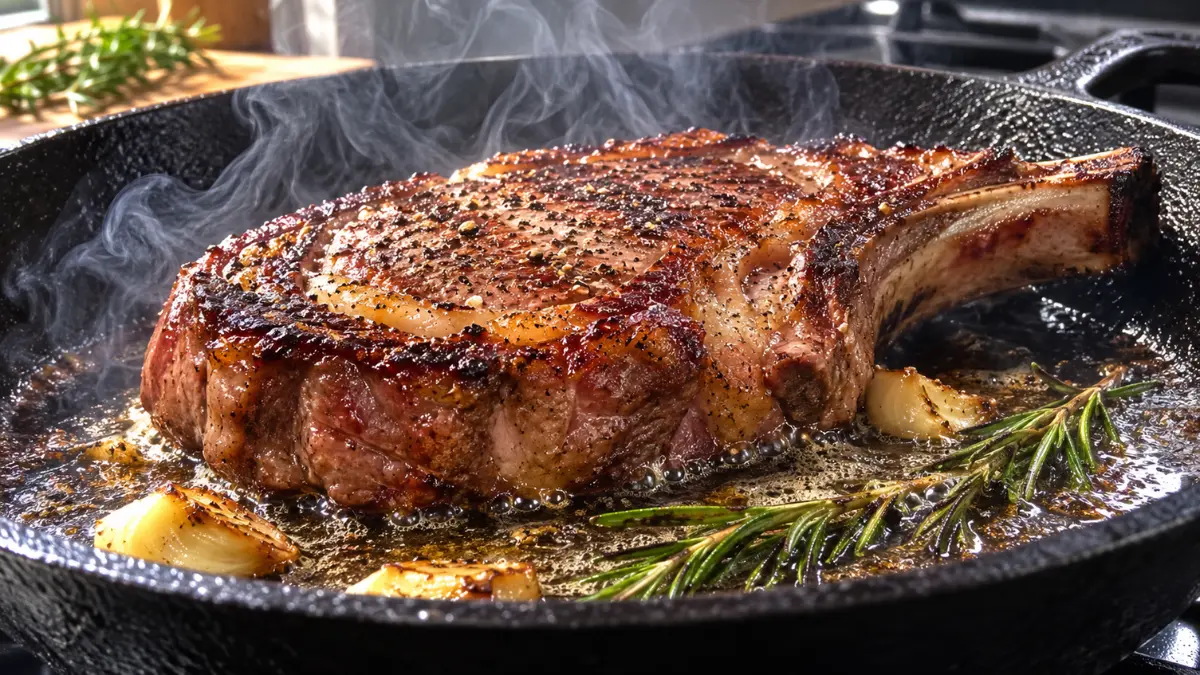
Pan-searing a steak incorrectly destroys expensive muscle fibers, leading to tough textures and drained moisture that spoil your dinner.
Classic Misconceptions When Cooking Steak and Expert Jess Pryles’ Boycott Call
Why do American cooking habits ruin the natural flavor of beef?
Misconceptions about pan temperature and improper seasoning timing
Many home cooks drop raw meat directly onto lukewarm skillets, missing the optimal high-heat threshold required for the Maillard reaction. When a steak fails to sear instantly, natural proteins sweat out juices rather than forming a savory caramel crust. Furthermore, applying salt hours ahead without temperature control or tossing delicate seasonings onto cold muscle fibers alters surface chemistry negatively. Pre-salting improperly pulls moisture out via osmosis, leaving pools of liquid on the surface that turn your attempt at a sear into an accidental steam bath.
The negative impact of improper preparation habits on tenderness and juiciness
Searing ice-cold beef compresses the internal structure instantly. As heat collides with frozen or chilled fibers, the outer layer overcooks long before the center warms up. This dynamic leaves a thick, grey ring of chewy, rubbery meat surrounding a cold interior. When preparing a steak, rushing the process disrupts the distribution of rendering fat, preventing internal marbling from melting smoothly throughout the beef.
The influence of expert Jess Pryles in shifting culinary mindsets
Journey of researching American BBQ culture and meat science
Jess Pryles dedicated years to mastering live-fire cooking, meat science, and butchery techniques across the United States. Her deep dive into barbecue traditions led to a clear realization: traditional home methods often ignore fundamental thermodynamic principles. By breaking down collagen breakdown rates, muscle density, and thermal conductivity, Pryles transformed complex culinary science into practical guidelines for cooking steak flawlessly every single time.
The mission to reshape how consumers approach and enjoy beef
Pryles advocates for consumer empowerment through education rather than relying on overpriced luxury cuts. She encourages cooks to boycott bad habits that burn money and ruin dinners. By shifting focus toward proper heat control, surface moisture management, and smart butcher selections, her philosophy democratizes the enjoyment of a premium steak experience at home.
Mastering heat control, resting times, and smart butcher choices will permanently redefine how you cook a juicy steak at home without overspending.
Jame
Unveiling the 3 Most Boycotted Mistakes When Cooking Steak
Mistake 1 – Thawing incorrectly and putting cold meat directly onto the stove
Thermal shock causing outer burning while the interior remains cold
Placing a frigid slab of meat onto a scorching pan triggers extreme thermal shock. The outer band of muscle fibers contracts violently, expelling moisture into the pan and charring long before heat penetrates the core. This creates a burnt exterior surrounding a cold, raw center, ruining your steak before it even has a chance to cook evenly.
Proper room temperature stabilization workflow before cooking
To achieve uniform heat distribution, rest raw beef on a wire rack at room temperature for roughly thirty to forty-five minutes before cooking. This simple step ensures heat penetrates evenly from edge to edge. Removing surface chill guarantees that your steak forms a golden-brown crust while the interior glides smoothly to medium-rare without developing a gray ring.
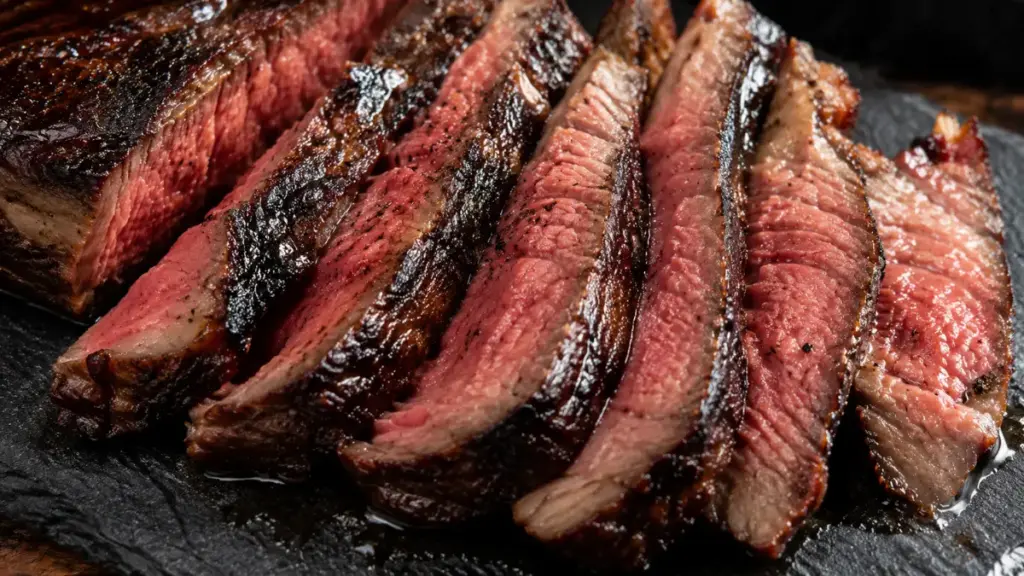
Mistake 2 – Skipping the resting period or cutting too early after searing
Mechanism of liquid loss causing dry texture and loss of natural sweetness
Cutting into meat immediately after taking it off the stove releases internal muscle tension violently, forcing savory juices out onto your cutting board. Heat drives liquid toward the cooler center during cooking; slicing early drains that pooled liquid entirely. Resting a steak allows muscle fibers to relax, reabsorbing savory juices throughout every bite.
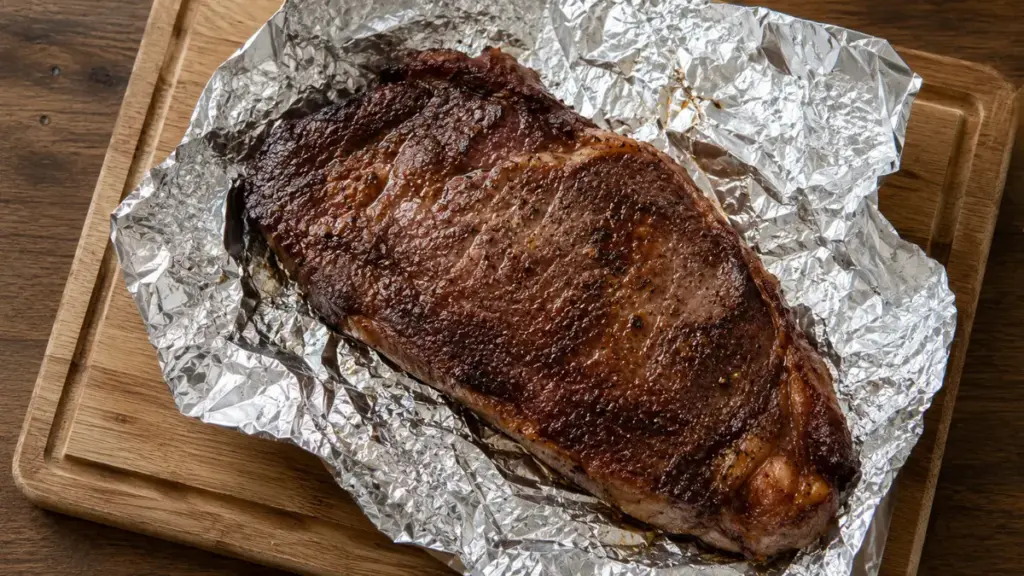
Optimal resting duration based on thickness and proper foil wrapping
Rest your beef on a warm plate or wooden board for roughly half the total cooking time, usually five to ten minutes depending on thickness. Tent aluminum foil loosely over the top to retain ambient heat without trapping steam. Trapping steam turns crispy surfaces soggy, destroying the crust you worked hard to build on your steak.
Read more: Why You Should Order a Porterhouse Steak at Peter Luger Instead of Saving $30 at Del Frisco’s!
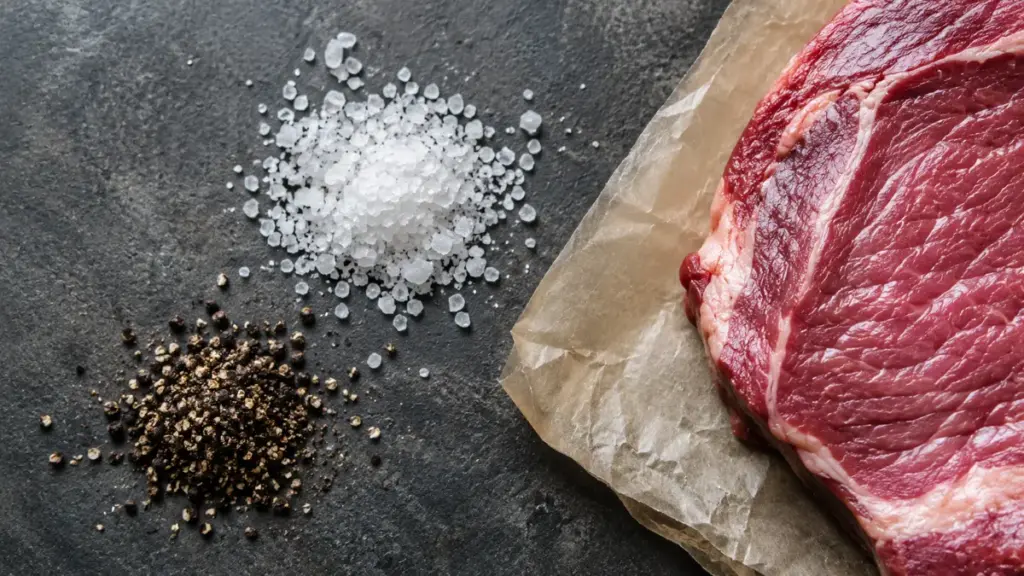
Mistake 3 – Overusing complex marinades that mask natural meat flavor
Negative effects of sugar-heavy bottled sauces burning at high heat
Bottled marinades packed with high-fructose corn syrup, artificial thickeners, and sugar char instantly when exposed to high heat. These sugars burn into bitter carbon crusts long before the beef cooks through. Relying on heavy sauces conceals natural beef flavor and damages the crust of a good steak.
The minimalist formula: Coarse sea salt and cracked black pepper
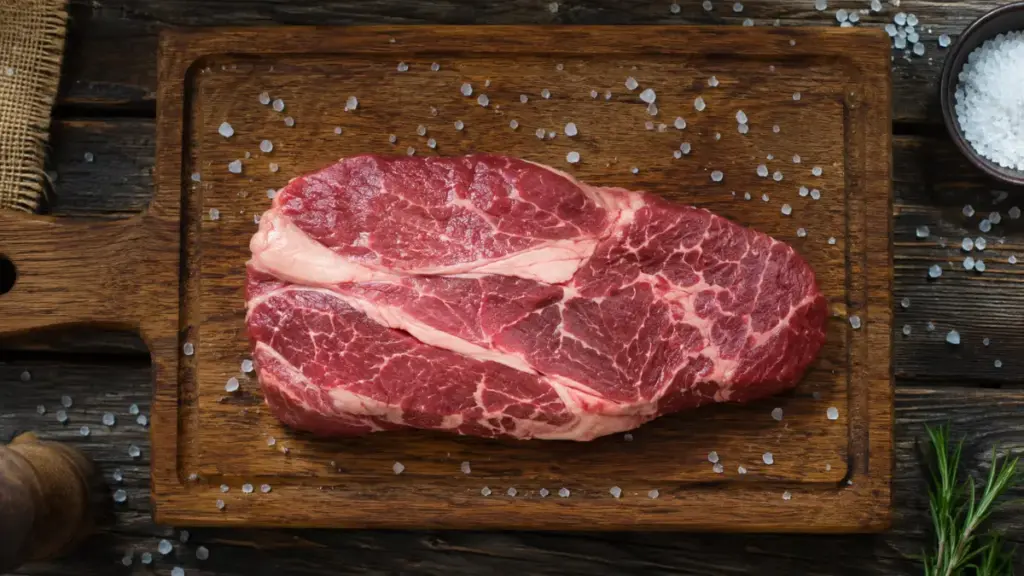
Pryles champions a simple seasoning approach: large-grain kosher sea salt and freshly cracked coarse black pepper. Salting generously right before pan contact draws minimal surface moisture while creating a crisp crust. This minimal seasoning enhances natural rich flavors without overpowering your steak.
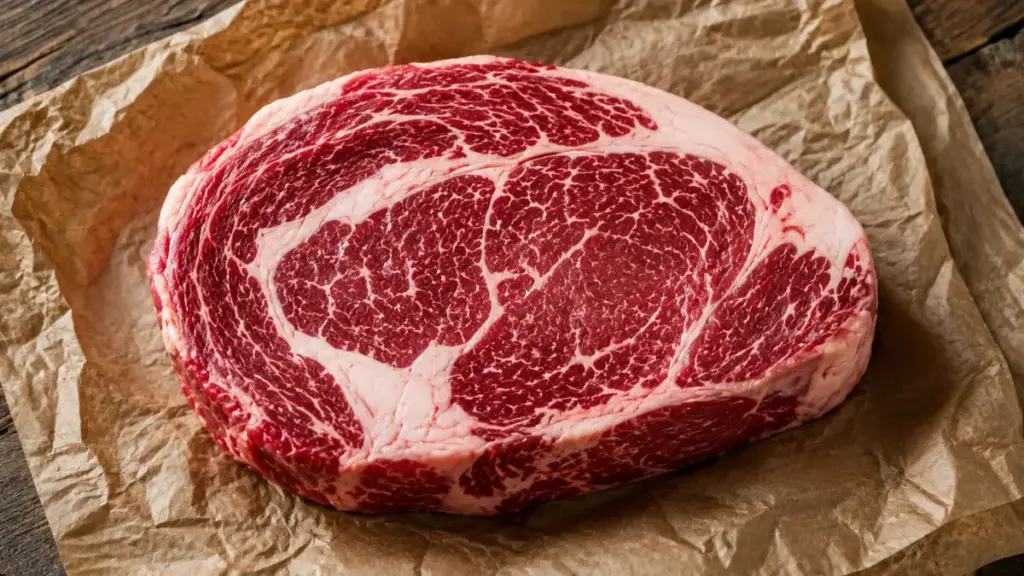
Revealing Overlooked Budget Beef Cuts for the Perfect Steak
Realistic evaluation of expensive cuts like Ribeye and Filet Mignon
Why high-end cuts are not always budget-friendly
Prime Ribeye and Filet Mignon command top dollar due to high demand and limited yield per cattle. While Filet offers tenderness, it lacks robust beef flavor due to minimal intramuscular fat. Spending high dollars on luxury cuts isn’t necessary for a great home-cooked steak when proper technique elevates affordable cuts.
More Read

Cost vs. nutritional value comparison across popular beef cuts
Budget cuts like Flat Iron, Denver, and Tri-Tip deliver identical protein content, iron, and zinc compared to expensive tenderloins at half the price per pound. Choosing alternative selections provides incredible culinary value without sacrificing flavor or nutrition when cooking a steak.
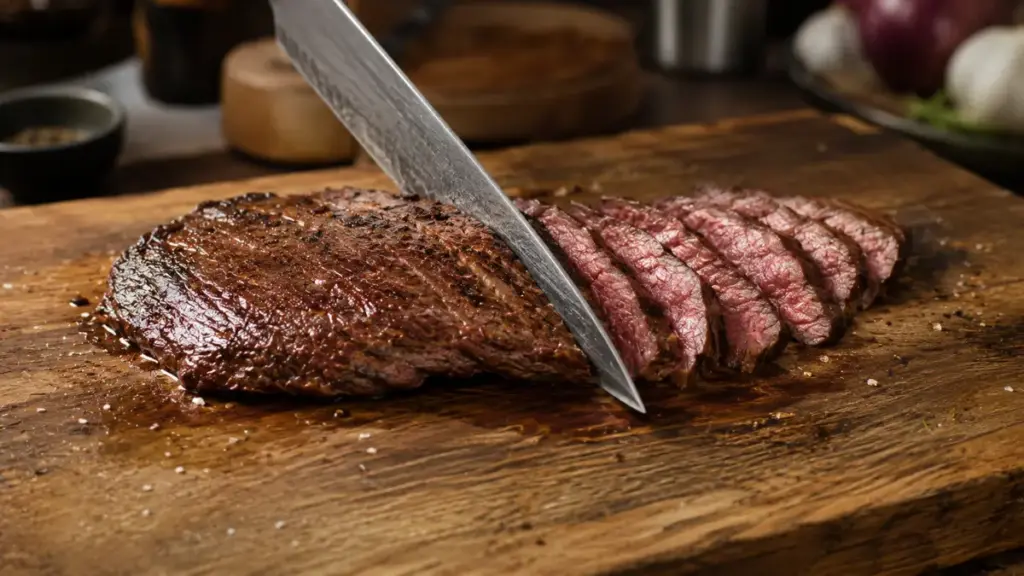
Secrets to choosing affordable cuts that deliver exceptional tenderness
Top hidden gem cuts: Flat Iron, Denver cut, and Tri-Tip
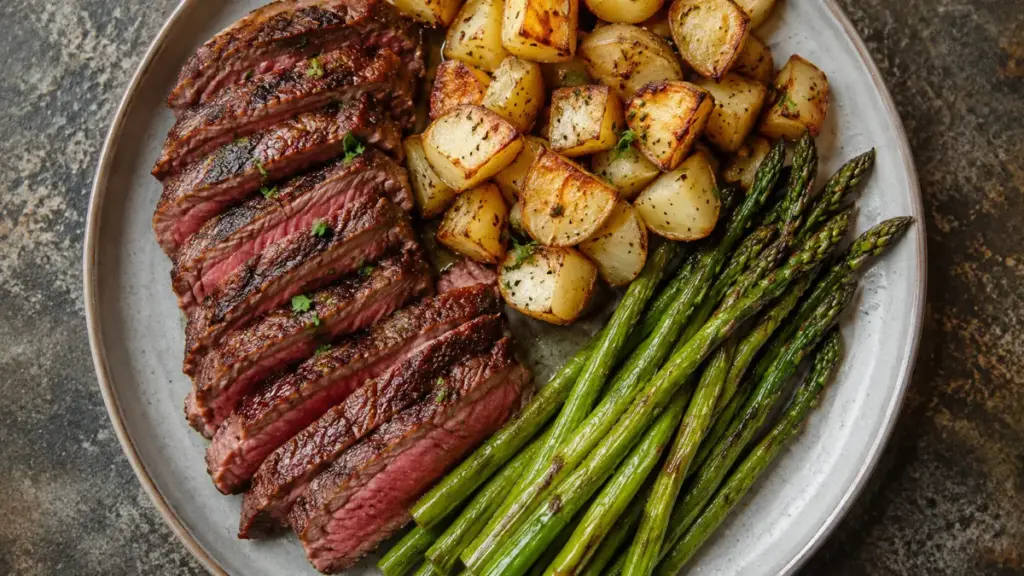
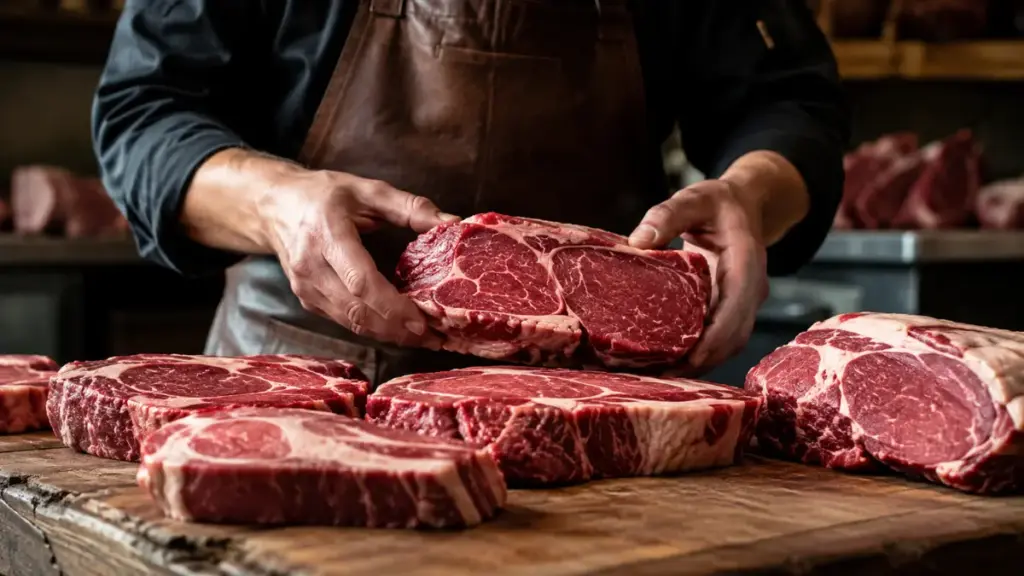
Flat Iron comes from the shoulder top blade, offering exceptional tenderness second only to tenderloin at a fraction of the cost. The Denver cut, taken from the chuck roll, features rich marbling perfect for high-heat searing. Tri-Tip offers deep flavor and great texture when sliced correctly, making each an incredible choice for a budget steak.
Slicing against the grain to maximize tenderness in budget cuts
Muscle fibers run in parallel lines like wood grain across tougher budget cuts. Slicing perpendicular across these muscle fibers shortens grain length dramatically. Cutting against the grain makes every bite of an affordable steak yield effortlessly in your mouth.
Strategies for Optimizing the Home Steak Experience on a Budget
Professional pan-searing and temperature control guidelines
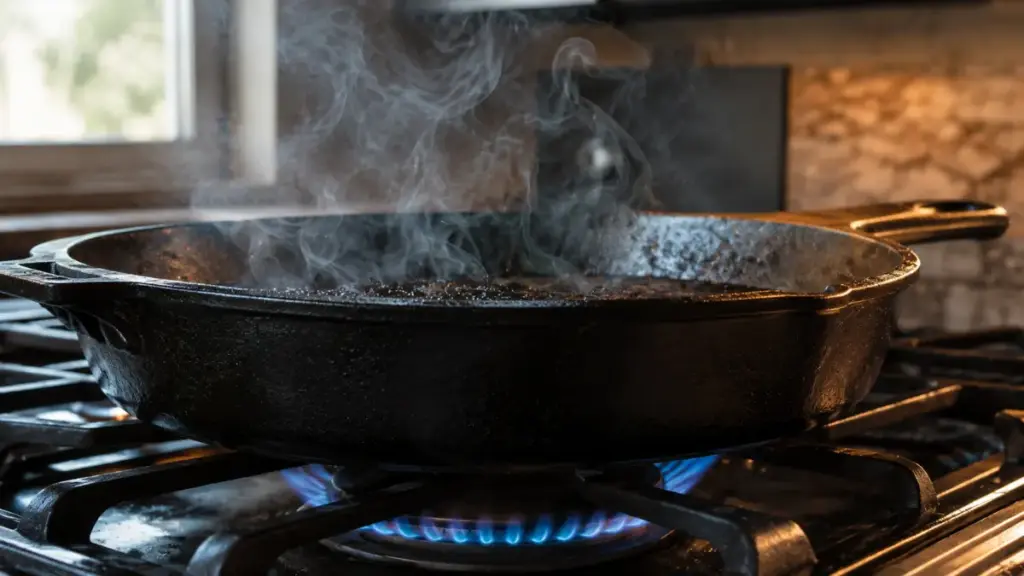
Choosing cast iron cookware and managing smoke points of cooking oils
Heavy cast iron skillets offer superior heat retention, preventing pan temperatures from dropping when cold meat hits the surface. Pair cast iron with high-smoke-point oils like avocado, tallow, or clarified butter. Avoid low-smoke-point olive oil or plain butter early on, as they burn and impart bitter flavors to your steak.
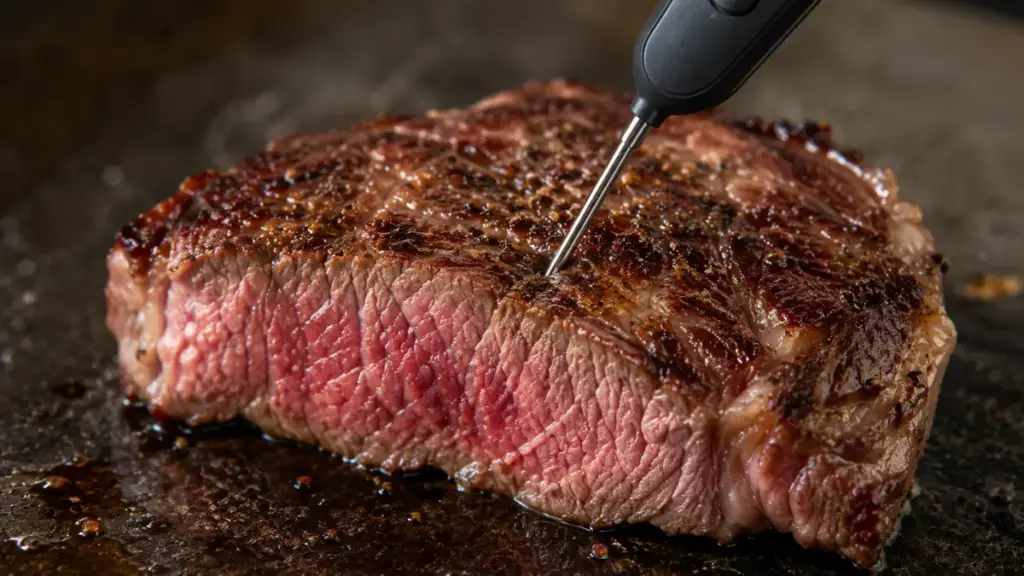
Using a digital meat thermometer for precise doneness levels
Stop relying on finger-poke tests or visual guesses to determine doneness. Insert a digital instant-read thermometer horizontally into the center of your meat for accurate readings:
- Rare: Pull at 120°F (50°C) for a final rest temp of 125°F (52°C).
- Medium-Rare: Pull at 130°F (54°C) for a final rest temp of 135°F (57°C).
- Medium: Pull at 140°F (60°C) for a final rest temp of 145°F (63°C).
- Well-Done: Pull at 155°F (68°C) or higher.
Using accurate temps guarantees a perfectly cooked steak every single time.
Shaping smart consumer habits when buying beef at the supermarket
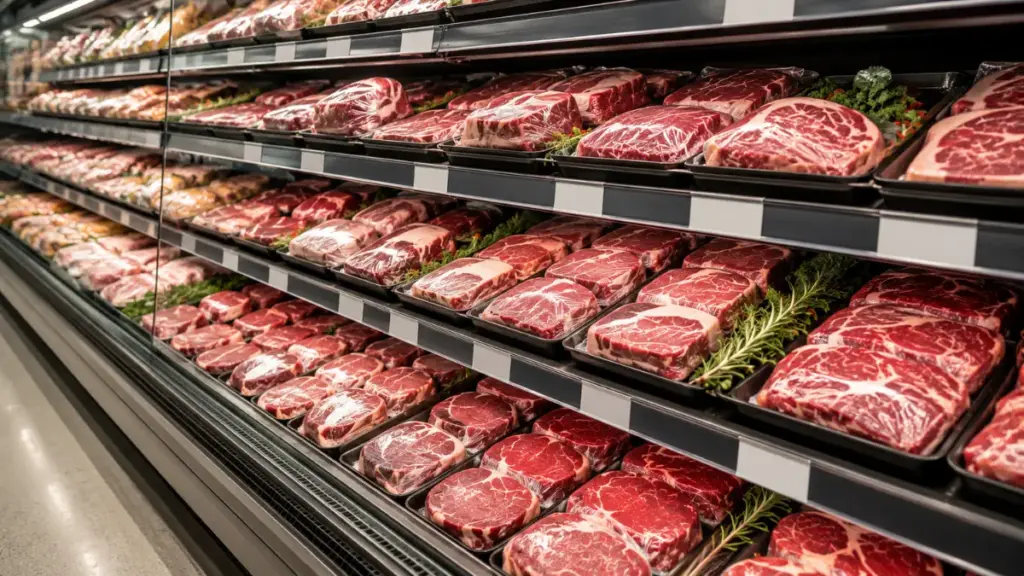
How to read marbling labels to pick high-quality beef on a budget
Intramuscular fat flecks—known as marbling—deliver tenderness, juiciness, and flavor. Look past marketing labels and evaluate actual marbling within the muscle package. Finding Choice-grade cuts with dense white marbling gives you Prime-like flavor on a budget steak.
Long-term impact of improved cooking techniques on household budgets
Mastering proper searing techniques and moving away from luxury cuts cuts your grocery bill substantially. Preparing budget cuts correctly saves families hundreds of dollars annually while elevating home-cooked meals. Learning these core principles allows you to enjoy a high-end steak experience at home anytime.
Read more: Stop Overpaying For Beef: 5 Hidden Hacks To Score A Cheap House Steak
Frequently Asked Questions About Cooking Steak
What is the single biggest mistake people make when cooking a steak at home?
The most common error is throwing cold meat onto a cool pan and slicing it immediately after cooking. Skipping the room-temperature warmup step and omitting the resting period drains essential juices, leaving your steak tough, dry, and lacking flavor.
Can cheap beef cuts really taste as tender as expensive ones?
Yes! Affordable options like Flat Iron, Denver, and Tri-Tip deliver exceptional tenderness and flavor when prepared properly. Resting your meat, controlling heat, and slicing against the grain make budget choices taste just as tender as an expensive steak.
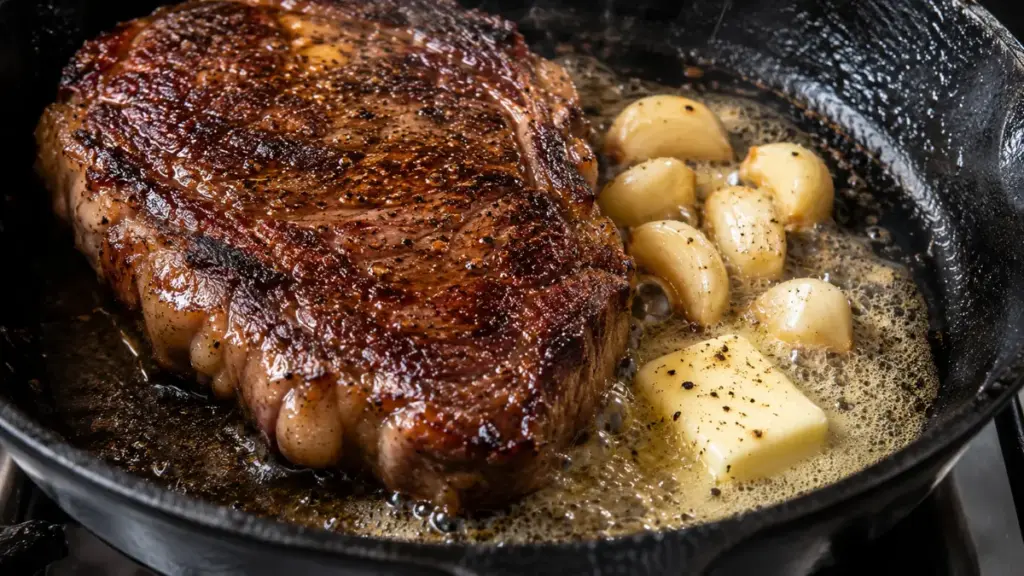
Should I baste my steak with butter during pan-searing?
Basting with butter, garlic, and herbs during the final minute of cooking adds rich flavor and aids browning. Add butter toward the end of cooking so milk solids don’t burn on your steak.
Master Your Home Cooking Skills for the Ultimate Steak
Eliminating these three common mistakes elevates your home cooking instantly. By bringing meat to room temperature, letting it rest after searing, using simple seasonings, and choosing underrated budget cuts, you get restaurant-quality results at a fraction of the cost. Stop burning money on luxury cuts and enjoy a tender, juicy steak made right in your own kitchen.
PLEASE LEAVE A COMMENT TO SHARE YOUR FAVORITE THOUGHTS OR FOLLOW OUR BLOG FOR THE LATEST UPDATES.