



Palate expanders: 5 shocking truths and risks for adult orthodontic treatment
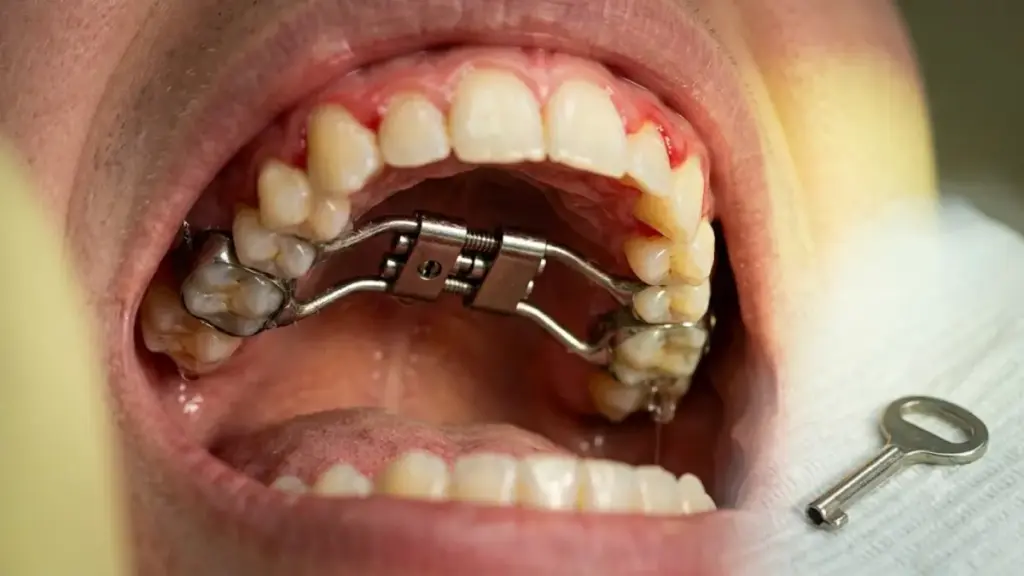
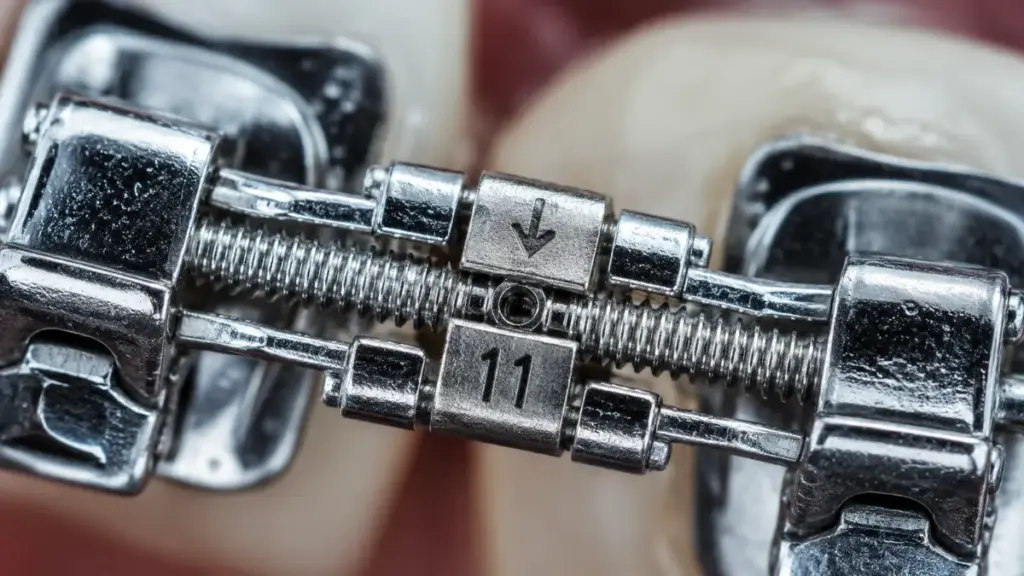
Palate expanders are often presented in orthodontic treatment plans as a “golden key” to a wider, Hollywood-style smile and improved breathing. However, behind the glossy illustrations on dental websites lies a raw, gritty reality that patients only truly grasp once the appliance is cemented into their mouths.
- Understanding the reality of palate expanders in adulthood
- The adult paradox: Skeletal expansion versus dental tipping
- Hidden orthodontic risks that dentists rarely discuss
- Advanced methods: MARPE and SARPE as alternatives
- The psychological impact of palate expanders on adults
- Questions to ask before starting treatment
- The importance of hygiene during treatment
- Financial and emotional commitments
- Final thoughts on using palate expanders
Why do so many adults who were promised a “simple fix” find themselves questioning if they’ve made the biggest mistake of their lives? Why is a device framed as a medical necessity often described by users as a form of “legalized torture”? This article does not rely on sterile marketing brochures. It dissects the unfiltered experiences of those who have lived through the expansion process, exposes the risks that many orthodontists gloss over, and provides the objective truth about what happens when you attempt to force skeletal change in a fully developed adult skull.
Understanding the reality of palate expanders in adulthood
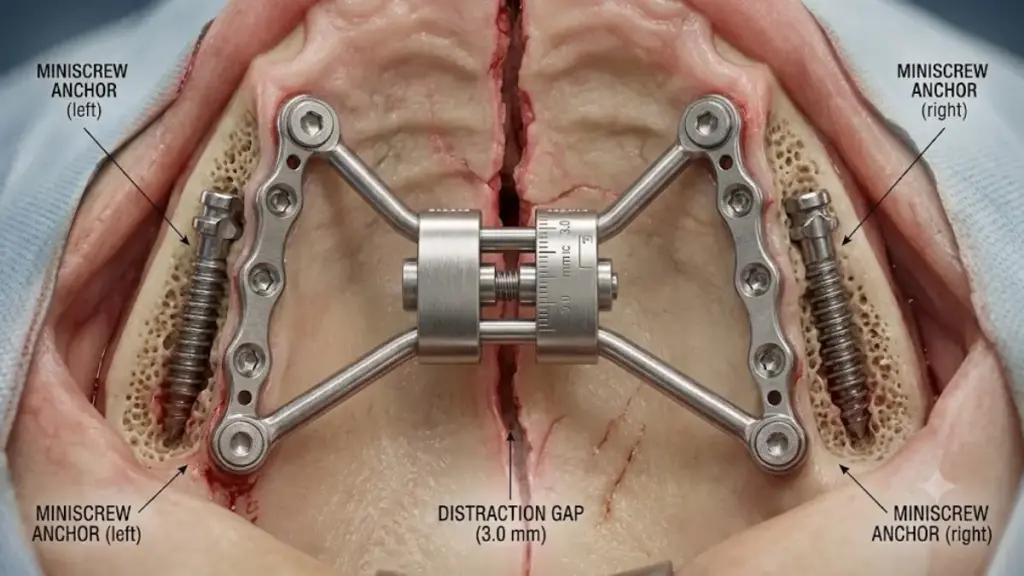
The orthodontic industry often sells palate expanders as miracle workers for narrow dental arches. But if you talk to patients, the story changes. The reality is a long, grueling journey of biological adaptation that forces you to reconsider your daily life, comfort, and long-term health.
Why the speech and hygiene challenges of palate expanders matter
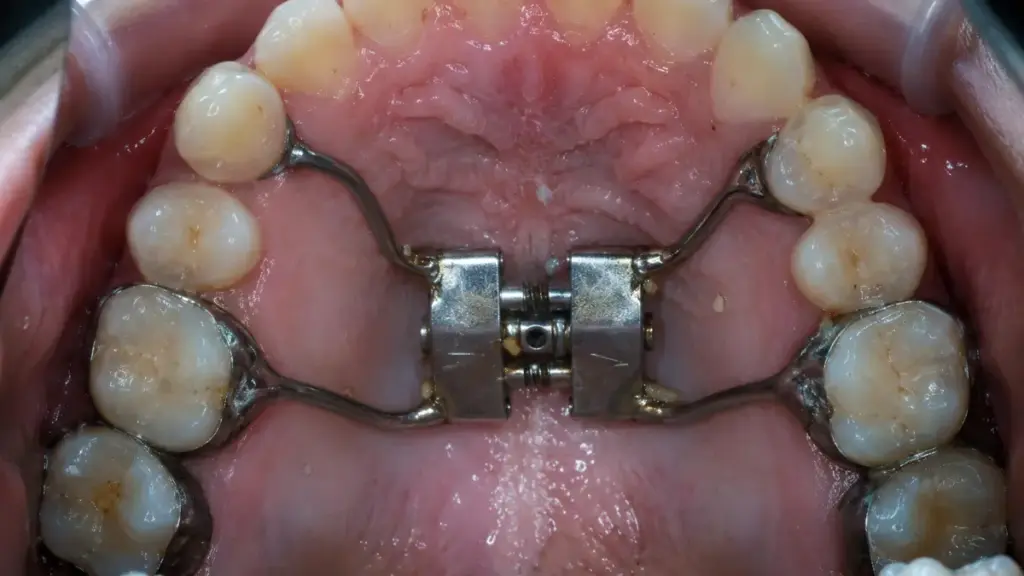
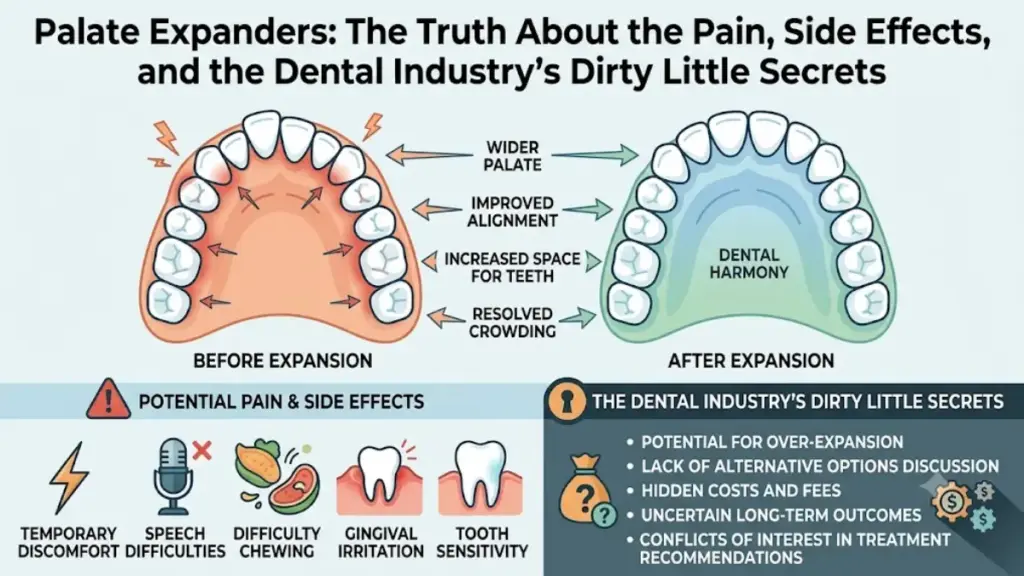
When a metal or acrylic device occupies a significant portion of your palate, you are no longer just a patient; you are an experiment in human endurance. Speech becomes a daily struggle as the tongue, an organ of infinite precision, requires space to form consonants. When palate expanders invade that space, lisping and slurring become your new normal. Beyond speech, the device acts as a permanent food trap, leading to plaque buildup and potential gum issues.
Evaluating the chronic pain caused by palate expanders
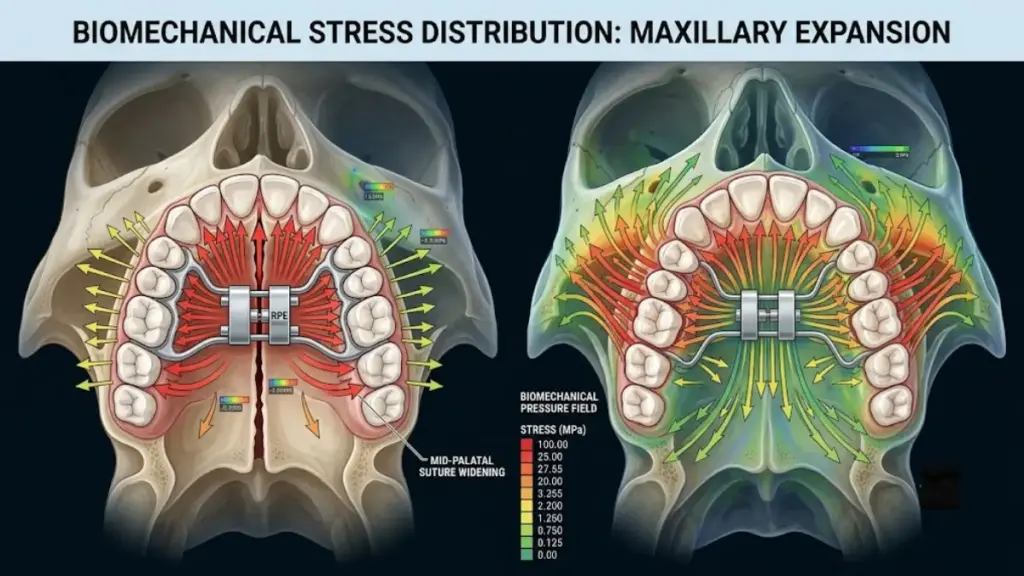
Patients frequently report pain that radiates far beyond the teeth, shooting up into the sinuses and behind the eyes. When you utilize palate expanders in a child, the mid-palatal suture is still flexible. In an adult, that suture is fused. The tension you feel is not just teeth moving; it is the mechanical force of a screw attempting to overcome the structural resistance of your facial skeleton.
The adult paradox: Skeletal expansion versus dental tipping
This is the most critical juncture of your treatment, and it is where many orthodontists fail to provide transparency regarding the actual movement of bone versus teeth.
Why conventional palate expanders often fail adults
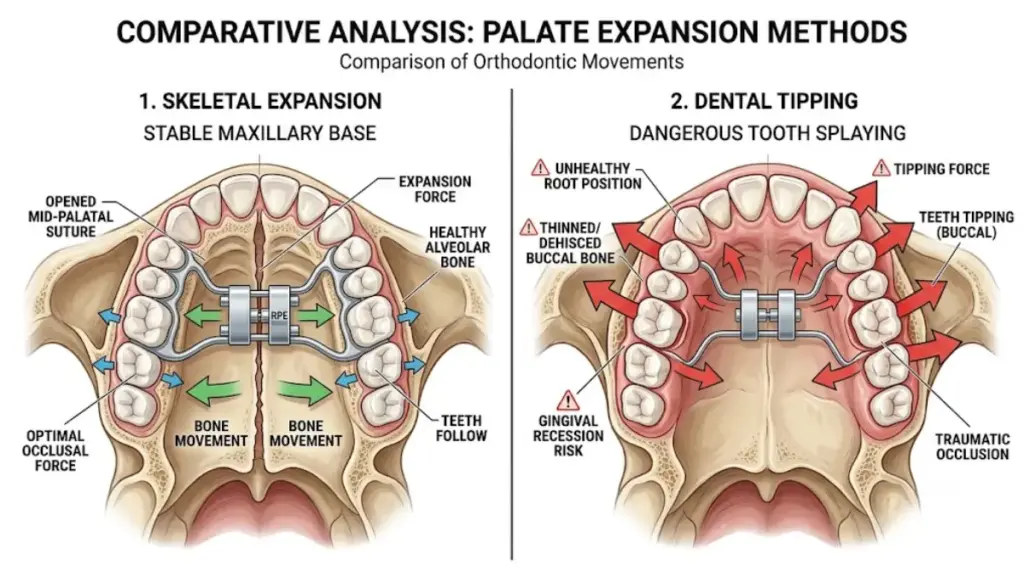
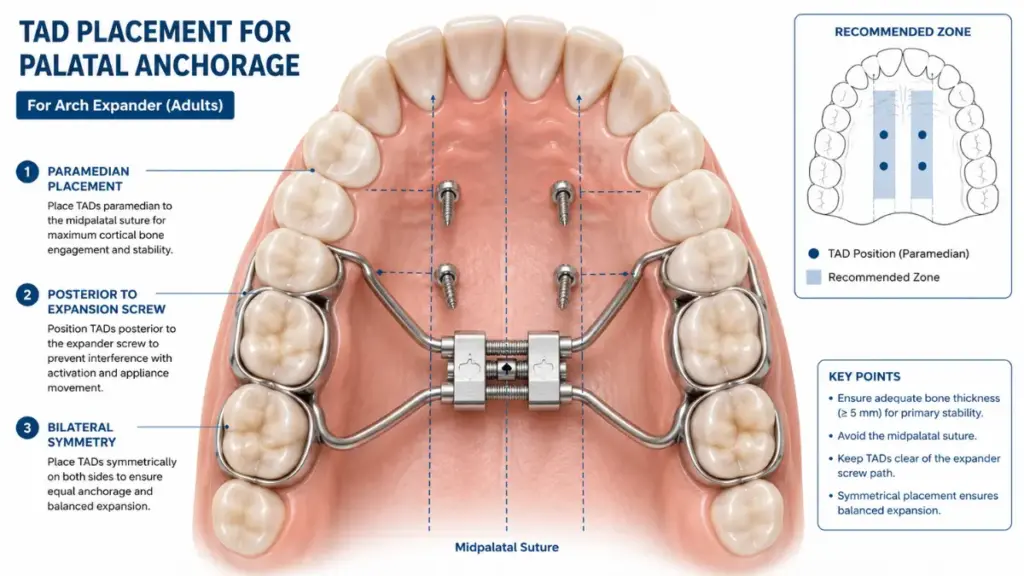
Many orthodontists prescribe traditional, removable, or fixed tooth-borne palate expanders to patients in their 30s. A tooth-borne device is designed to push against teeth, not bone. Because the adult mid-palatal suture is fused, the force applied often takes the path of least resistance: dental tipping. Instead of widening your bone, you are simply pushing your teeth outward at an unnatural angle.
“True skeletal change is not merely a matter of moving teeth; it is a profound structural alteration that requires careful consideration of biological limits.”
Ri
The dangers of dental tipping in adult orthodontic cases
If your orthodontist is using a traditional palate expander on a 30-year-old, you are at risk of severe periodontal damage. Pushing teeth beyond the alveolar bone housing leads to gum recession, root exposure, and long-term instability. You might achieve a straight-looking smile initially, but the lack of structural support will likely lead to relapse.
Hidden orthodontic risks that dentists rarely discuss
When you sign up for skeletal expansion, you are rarely warned about the cascade effects on the rest of your system.
Managing TMJ dysfunction and palate expanders
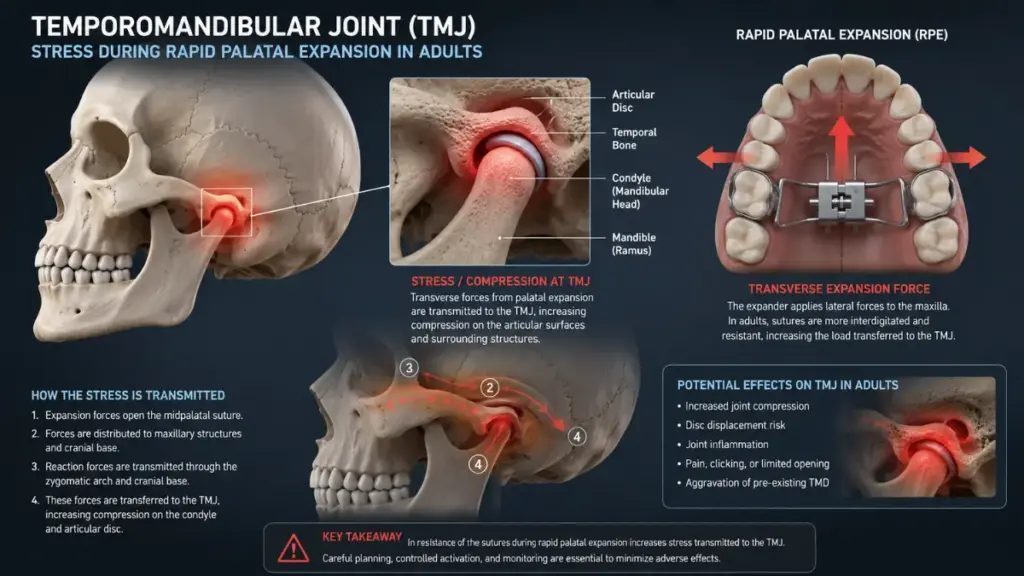
The temporomandibular joint (TMJ) is a highly sensitive hinge. By forcibly changing the width of your upper arch using palate expanders, you are fundamentally altering the way your jaw closes. If the expansion is not perfectly calculated, you risk permanent TMJ dysfunction, manifesting as popping, clicking, and chronic jaw pain.
Sinus complications and the relapse trap
Because the floor of the nasal cavity is the roof of your mouth, aggressive use of palate expanders can trigger sinus inflammation or persistent congestion. Furthermore, if the expansion does not hold, your teeth will fight to return to their original position. The result is often wasted time and unnecessary discomfort.
Advanced methods: MARPE and SARPE as alternatives
When traditional tooth-borne palate expanders fail, the industry moves to more invasive procedures that target the bone structure directly.
Miniscrew-assisted rapid palatal expanders (MARPE)
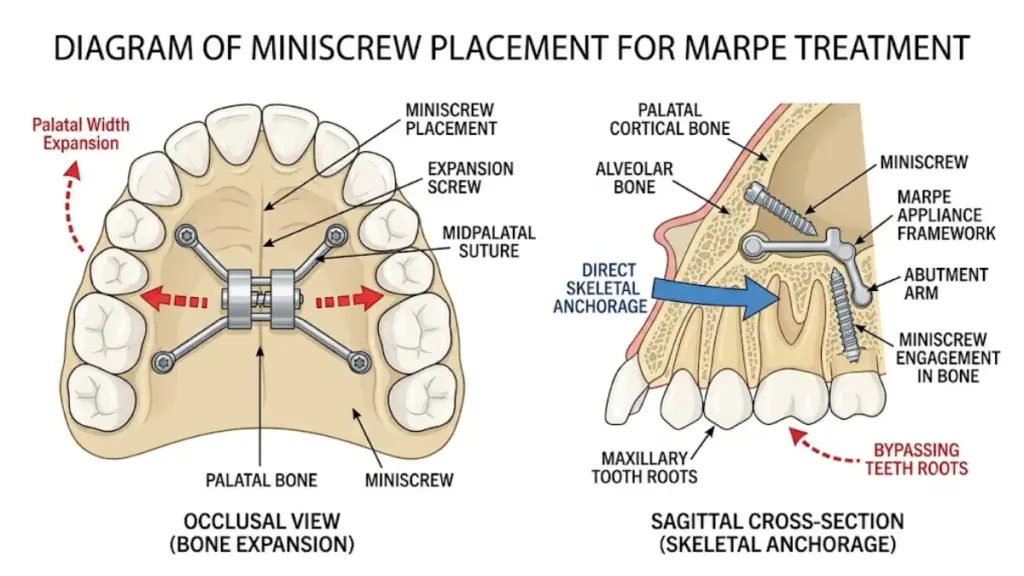
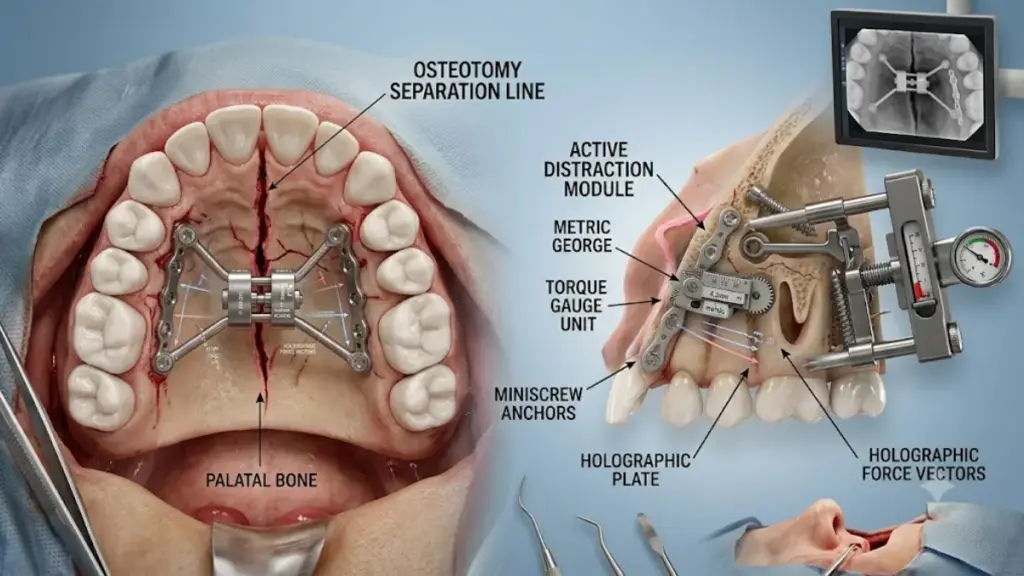
MARPE is widely considered the superior modern approach for adults. By anchoring palate expanders directly into the palatal bone using miniscrews, the force is applied to the skeleton rather than the teeth. While effective, the placement is a surgical act that carries its own set of risks, including screw failure or soft tissue irritation.
Surgically assisted rapid palatal expansion (SARPE)
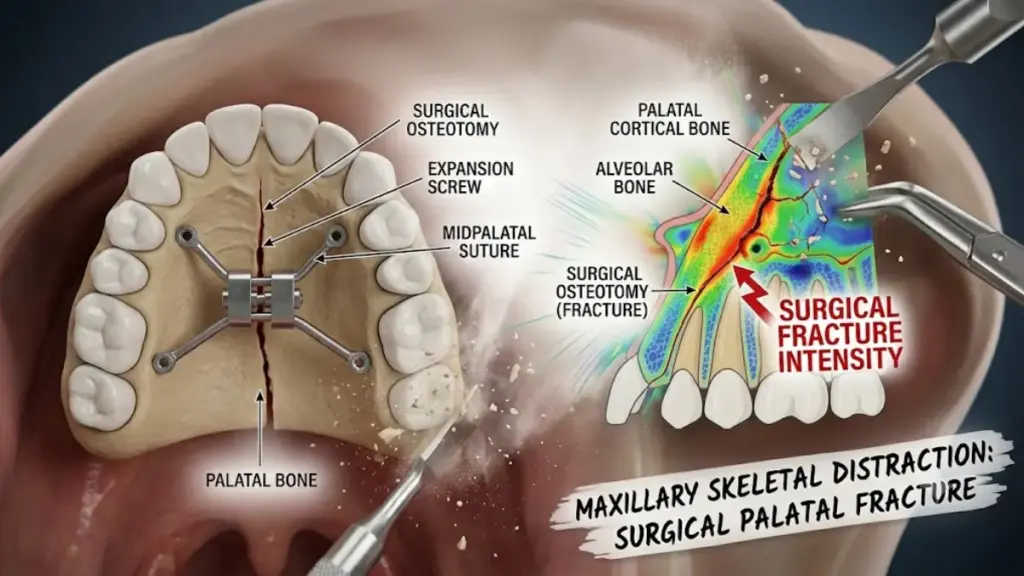
SARPE is the nuclear option for those whose sutures are completely ossified. A surgeon intentionally fractures the palatal suture to allow the palate expanders to function. This is a major medical procedure involving anesthesia, hospital time, and a significant recovery phase.
The psychological impact of palate expanders on adults
Beyond the physical pain, there is a profound psychological weight to undergoing this process at 30+ years old. The feeling of helplessness when you cannot properly eat or speak for weeks is a form of trauma that is rarely acknowledged in official clinic literature. Adults undergoing treatment with palate expanders often feel isolated in their struggle.
More Read

Questions to ask before starting treatment
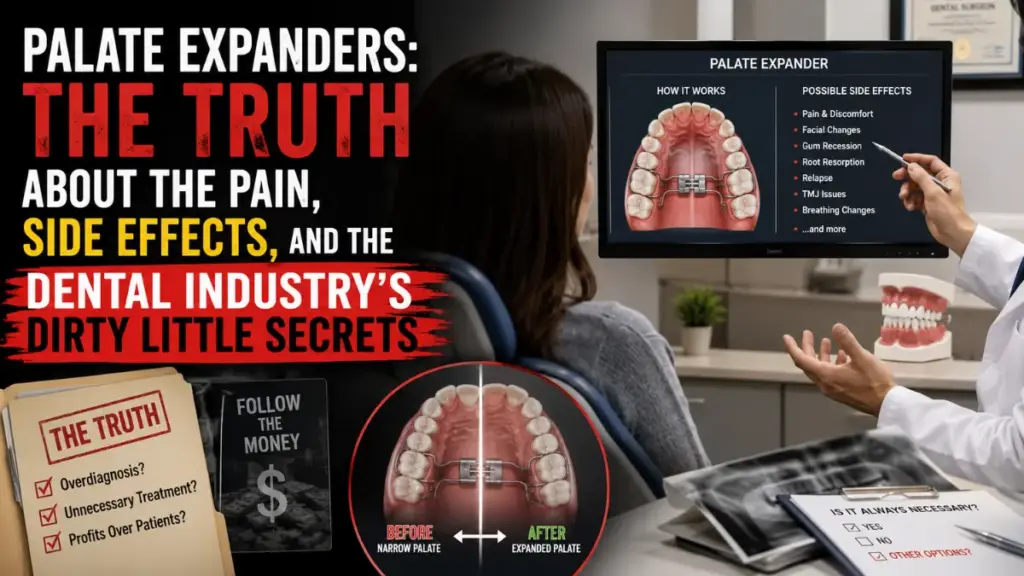
If your treatment plan feels wrong, it is because your intuition is telling you something is off. Do not be a passive participant when discussing palate expanders.
Demand clear answers from your orthodontist
- Is this skeletal expansion or dental tipping? Ask to see the CT scan.
- What happens to my jaw joint if the expansion goes wrong?
- What is my fallback if the suture does not open with these palate expanders?
- Can I see cases of people my age? Do not look at children’s results.
The importance of hygiene during treatment
Keeping palate expanders clean is a battle you will fight three times a day. Specialized brushes, water flossers, and mirror-check routines are mandatory. If you slack off for even one day, the smell and the buildup of bacteria will remind you of your neglect.
Financial and emotional commitments
Orthodontics for adults is an expensive luxury. When you combine the cost of the device, the potential for surgery, and the need for re-treatment, the cost can spiral. Emotionally, the journey is long. You will have days where you regret starting your treatment with palate expanders, and days where you feel hopeful for the future.

Final thoughts on using palate expanders
You are an adult. You have the right to question the medical procedures being performed on your body. Do not settle for “it’s part of the process.” If your doctor cannot justify the risks of palate expanders with sound, evidence-based, skeletal-level science, find a new doctor.
Frequently asked questions
- Is it possible to achieve skeletal expansion at 30+ without surgery? It is extremely rare. Once the suture is fused, the bone does not simply move; it requires either micro-fractures or full surgical intervention. Any orthodontist claiming otherwise using only a removable plate is likely misrepresenting the treatment.
- Will my voice ever return to normal? Yes, once the appliance is removed, your tongue will reclaim its space and your speech patterns will adjust back to your natural baseline within a few weeks.
- Is the pain manageable? Manageable is subjective. You will be uncomfortable and have days of high sensitivity. However, most people find that the pain subsides once the expansion phase is complete.
- How do I find a competent doctor for MARPE? Look for orthodontists who specialize in airway-focused orthodontics or those who actively publish on MARPE/MSE. Avoid general practitioners who treat these procedures as routine.
LEAVE A COMMENT BELOW OR CONTACT US AT COUCHINSIDER.COM TO BE CONSULTED BY OUR EXPERTS FOR FREE OR FOLLOW THE COUCH INSIDER WEBSITE TO UPDATE THE LATEST KNOWLEDGE.