



Pushing through grueling solo gym sessions without a spotter or guidance leaves you dangerously vulnerable to unexpected structural injuries and crippling training plateaus. Assuming that solo workouts are completely safe and failing to realize how adopting a structured squad training system shields your body from sudden gym accidents means you are putting your long-term joint health and performance at risk.
- The Modern Shift: Merging Personal Coaching with Group Energy
- Five Core Reasons to Switch to Squad Training Today
- Hidden Hazards of Unsupervised Solo Workouts
- Key Benchmarks of a High-Quality, Safe Squad Training Program
- Frequently Asked Questions About Small-Group Fitness
- The Path Forward: Building Lasting Strength Through Team Power
Unlocking peak muscular power while guaranteeing maximum safety requires the dynamic support of a dedicated training crew. By exposing the hidden physical dangers of training alone and exploring 5 game-changing benefits of a squad training routine—including instant fail-safe spotting, real-time posture correction, competitive output boosts, shared accountability, and accelerated neuromuscular adaptation—you can permanently eliminate injury fear and achieve your dream physique safely.
Stepping away from isolated weight rooms protects your joint capsules from acute mechanical overload. Sourcing your daily motivation from an engaged community builds long-term training consistency, keeping your physical progress steady, safe, and exhilarating across every season. Embracing small-group fitness systems over solitary gym visits offers a proven, highly effective path toward mastering squad training without risking severe physical setbacks.
The Modern Shift: Merging Personal Coaching with Group Energy
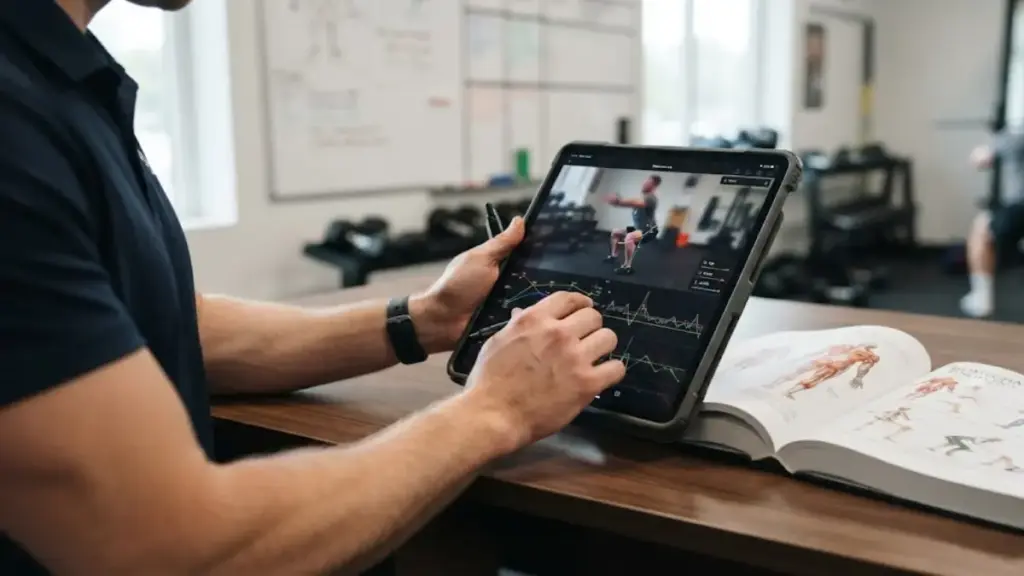
The traditional fitness landscape often forces exercisers to choose between two extreme options: expensive one-on-one personal training or overcrowded, generic aerobics classes. While personal coaching offers individual attention, its high cost often makes long-term adherence difficult for many fitness enthusiasts. Conversely, large group classes provide high social energy but frequently lack the individual form correction needed to protect your joints from injury, highlighting the practical need for squad training.
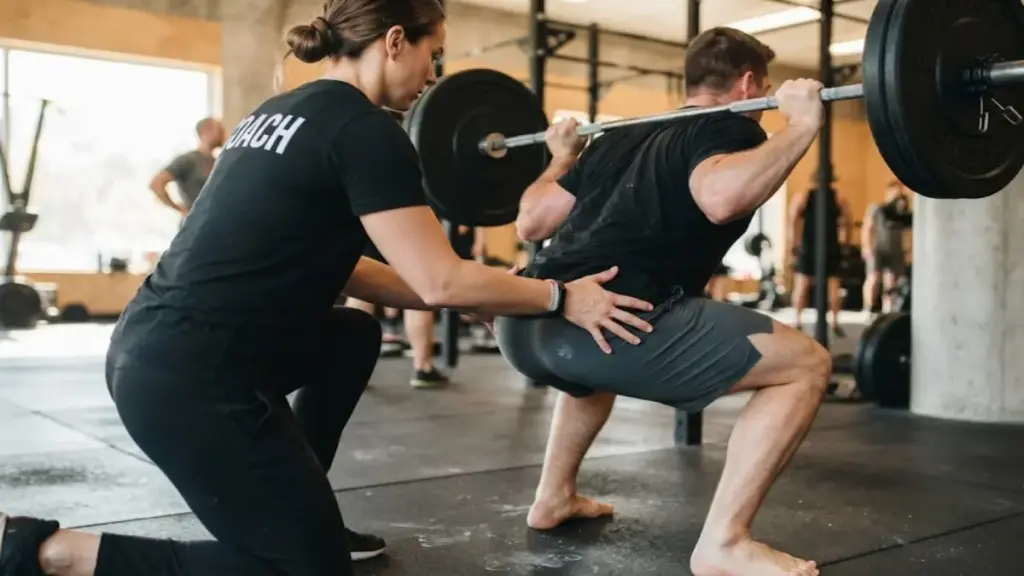
Integrating small-group coaching bridges this gap by pairing a dedicated trainer with a intimate squad of four to eight members. This balanced structure preserves individualized technical supervision while cultivating a supportive team atmosphere. Members enjoy customized weight adjustments and movement regressions at a fraction of standard personal training fees, making squad training a highly sustainable health investment.
Social Psychology and Long-Term Discipline Building
Exercising in an isolated environment often turns routine workouts into a mentally draining task, increasing the likelihood of missed sessions when willpower fades. When you train alone, skipping a difficult workout carries no immediate social consequence, making procrastination an easy habit to form. Group dynamics transform this environment by introducing positive social accountability, reinforcing your commitment to a squad training routine.
Surrounding yourself with motivated peers creates a strong sense of belonging that neutralizes gym intimidation and isolation. As group camaraderie develops, members cheer for each other’s personal records and notice when someone misses a session. This supportive social network releases oxytocin and endorphins during training, turning challenging physical effort into an engaging community experience that anchors your squad training habit.
Read More: Bodybuilding Myths: 3 Common Misconceptions Debunked for Better Results
Five Core Reasons to Switch to Squad Training Today
Making the transition from solitary workouts to structured team environments provides immediate biological and psychological advantages. Exploring these five fundamental benefits demonstrates how a targeted squad training strategy elevates your physical output while shielding your body from harm.
Healthy Peer Pressure and Performance Optimization
Lifting weights in a supportive group setting naturally activates the Köhler effect, a psychological phenomenon where individuals work harder when performing tasks as part of a team. Observing teammates push through challenging sets encourages you to break through mental limits and maintain high intensity. This natural peer motivation helps you build mechanical endurance without relying solely on individual willpower, accelerating your squad training results.
| Training Environment | Spotter Protection | Posture Correction | Cost Efficiency | Social Motivation |
| Solo Workouts | None (High Risk) | None (Blind Spots) | Low (Per Session) | Low (Self-Driven) |
| Squad Training | Immediate / Team | Real-Time / Coach | High (Shared Cost) | High (Peer Energy) |
| Large Group Class | Minimal / None | General / Rare | Medium (Fixed Rate) | Moderate (Diffuse) |
Multi-Angle Supervision and Technical Accuracy
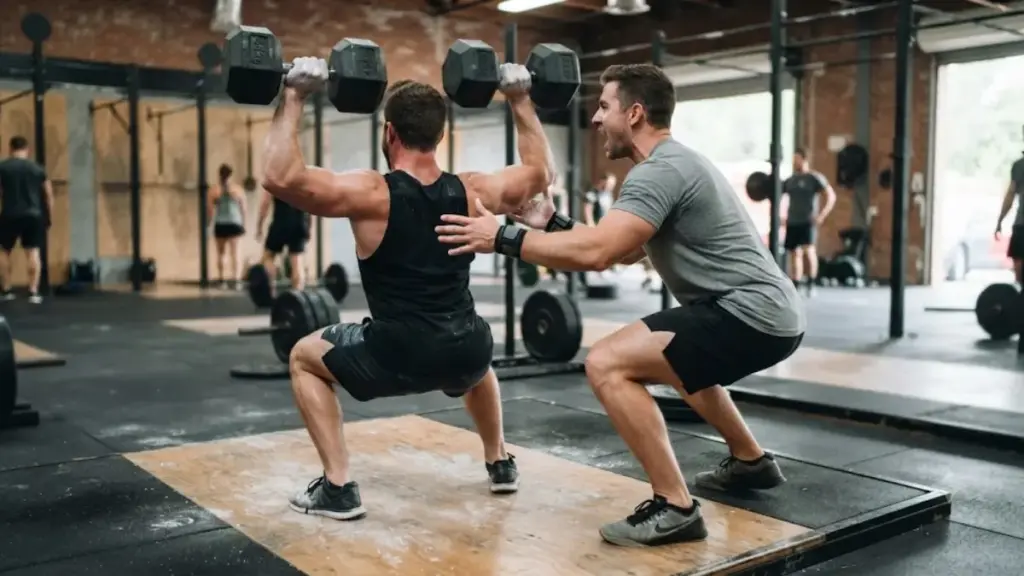
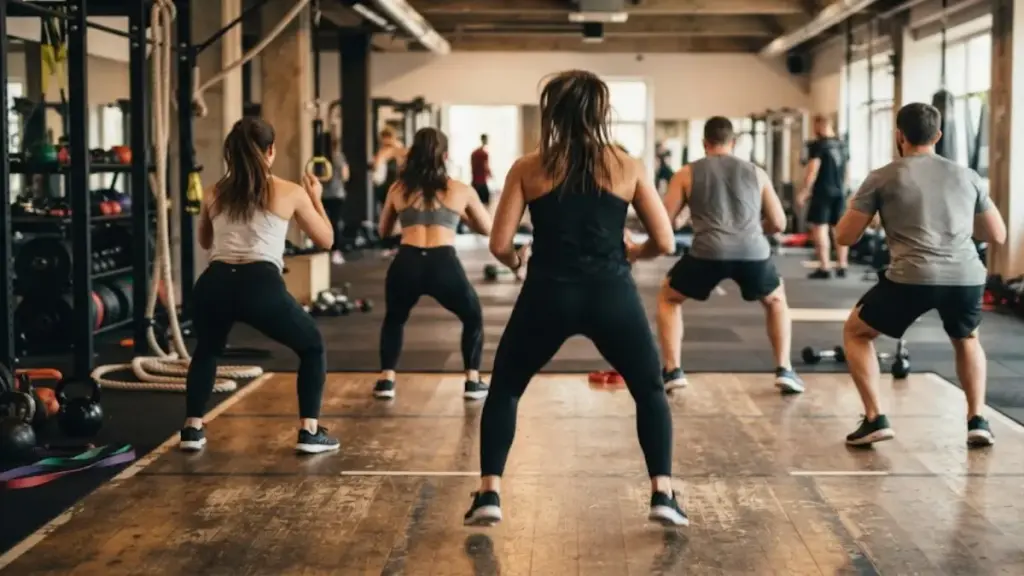
Lifting heavy weights alone makes it difficult to detect subtle form breakdowns, such as rounded lower backs or caving knees. These uncorrected blind spots subject your spinal discs and knee cartilage to improper stress, laying the groundwork for chronic joint inflammation. Participating in squad training ensures that a professional coach observes your movement patterns from multiple angles, making instant form corrections before minor flaws lead to injury.
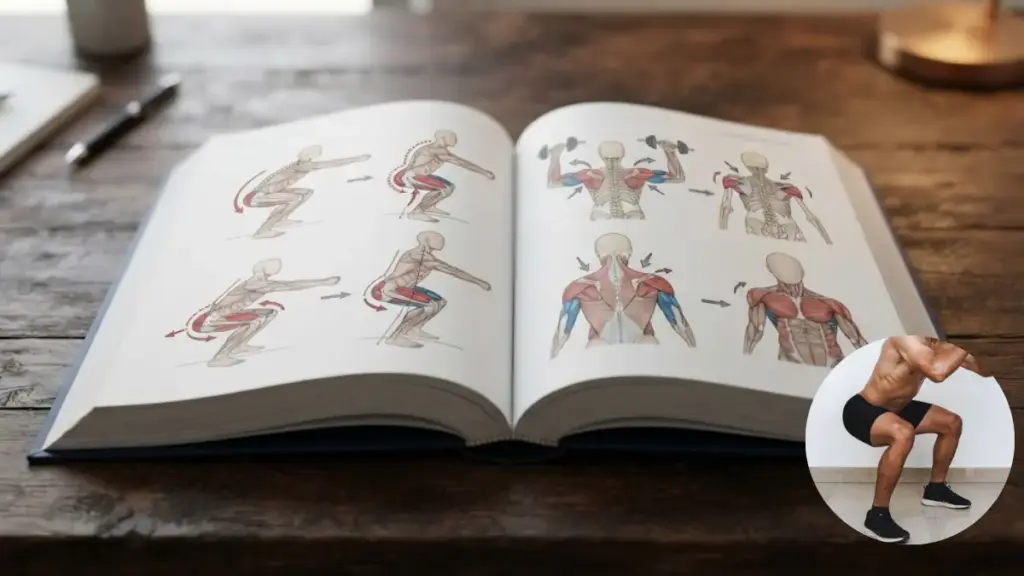
Furthermore, watching your squad mates receive movement feedback enhances your own technical awareness. Seeing someone else correct a hip hinge or shoulder positioning reinforces proper biomechanics in your mind, helping you avoid similar mistakes. This shared learning environment builds deep movement quality, keeping your lifting sessions safe and effective throughout squad training.
High Accountability and Reduced Dropout Rates
Establishing a consistent workout habit requires removing the friction of daily decision-making. When you schedule solo workouts, minor inconveniences like bad weather or late work hours often serve as easy excuses to skip the gym. Reserved team time slots create a positive social commitment, making you far more likely to show up for squad training.
Knowing that your coach and teammates expect your arrival turns attendance into a shared responsibility. A quick check-in text from a workout partner when you are running late provides the extra encouragement needed to stay consistent. This built-in social support system drastically lowers gym dropout rates, helping you build lasting fitness habits through squad training.

Endorphin Surges and Stress Reduction
Physical exercise naturally triggers the release of endorphins, but pairing movement with social interaction significantly amplifies this neurochemical response. Laughing, high-fiving, and completing difficult circuits alongside teammates stimulates oxytocin production, lowering circulating cortisol levels. This social connection transforms intense physical exertion into an enjoyable, stress-relieving activity that reinforces your squad training habit.
Lowering cortisol levels after exercise protects your muscle tissue from breakdown and speeds up recovery. When workout stress is paired with positive social connection, your central nervous system relaxes faster, improving sleep quality and physical adaptation. Converting workout strain into a rewarding community experience is a powerful mental benefit of squad training.
Varied Circuit Structures to Eliminate Monotony
Executing the exact same workout routine week after week causes physical stagnation and mental boredom. Solo lifters often fall into repetitive patterns, using the same machines and weight loads without challenging their bodies in new ways. Professional coaches design squad training programs around dynamic station rotations that target multiple muscle groups and energy systems.
Rotating through varied movement stations keeps your workouts engaging while challenging your muscular endurance and coordination. Moving through agility drills, resistance stations, and core stability work stimulates diverse motor units, keeping your metabolism elevated. This constant variety drives continuous adaptation, ensuring you never hit a plateau during squad training.
Hidden Hazards of Unsupervised Solo Workouts
Understanding the real physical risks of solo weightlifting highlights why training in an isolated environment can compromise your joint health. Recognizing these common solo hazards allows you to appreciate how a structured squad training system protects your body.
More Read

Mechanical Trapping and Severe Muscle Tears Under Heavy Loads
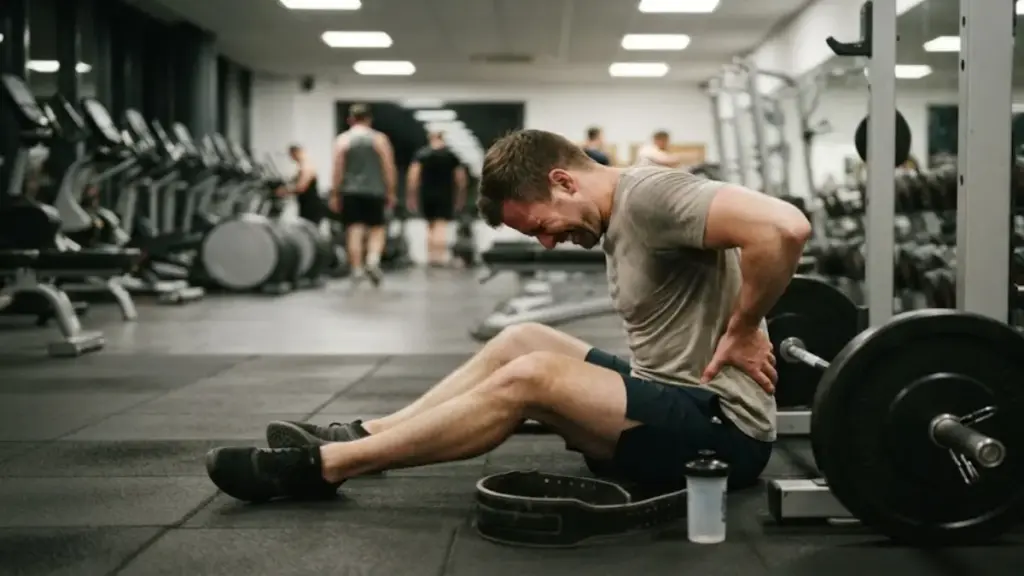
Attempting heavy barbell bench presses or squats without a dedicated spotter creates a dangerous physical situation when muscle fatigue sets in unexpectedly. Experiencing sudden failure at the bottom of a lift can leave a heavy barbell pinned across your chest or lap, leading to acute tissue trauma. Forcing unnatural movements to escape a trapped bar frequently results in severe muscle tears and joint sprains, an avoidable hazard eliminated by squad training.
In a small-group setup, teammates and coaches provide instant, fail-safe spotting on every heavy set. Knowing a spotter is ready to assist allows you to push your physical limits safely, without fearing a catastrophic lift failure. This mechanical safety net protects your muscle fibers and connective tissues, allowing you to build strength confidently in squad training.
Unnoticed Fainting, Hypoglycemia, and Delayed First Aid
Heavy compound lifts create immense intra-abdominal pressure that can temporarily restrict blood flow to the brain, causing sudden lightheadedness or fainting upon finishing a set. Fainting alone in an unmonitored area can lead to dangerous falls against hard equipment, resulting in concussions or severe bruising. Experiencing sudden blood sugar drops without immediate assistance poses serious safety risks for solo exercisers, making squad training a far safer choice.
Within a structured group class, your coach and teammates recognize early signs of physical distress, such as facial paleness or unsteady balance, stepping in immediately. Having trained individuals nearby ensures quick assistance, proper rest protocols, and immediate first aid if needed. This attentive group presence provides crucial safety protection during high-intensity squad training.
Postural Imbalances and Chronic Joint Inflammation
Lifting weights without feedback often reinforces improper movement habits, as your body naturally relies on stronger muscles to compensate for weaker ones. Over time, uncorrected movement compensations create asymmetrical muscle development and altered spinal alignment, placing uneven stress on your joints. These subtle postural imbalances cause chronic tendonitis and cartilage wear that can take months of rehabilitation to fix, a risk avoided in squad training.
Regular technical coaching prevents these movement compensations from becoming ingrained habits. By addressing minor movement flaws early, coaches ensure that force distributes evenly across your target muscles and joint structures. Maintaining proper joint alignment protects your skeletal health, ensuring long-term athletic longevity through squad training.
Key Benchmarks of a High-Quality, Safe Squad Training Program
Not all small-group fitness classes deliver the same level of safety and technical coaching. Evaluating a program against established quality standards ensures you join a squad training environment that prioritizes your joint health and long-term progress.
QUALITY SQUAD TRAINING BENCHMARKS
+———————————————–+
| 1. Coach-to-Athlete Ratio (1:4 to 1:8 Max) |
| 2. Individual Movement Screening & Scaling |
| 3. Dedicated Equipment Stations & Clearance |
| 4. Certified Coaching & First-Aid Standards |
+———————————————–+
Optimal Coach-to-Athlete Ratios and Scalable Movements
A high-quality small-group program maintains a strict coach-to-athlete ratio, typically capping attendance at four to eight members per coach. This controlled group size ensures that your trainer has ample time to observe every set, offer individual feedback, and adjust weight loads. Programs that allow too many participants lose this personalized coaching oversight, undermining the primary safety benefits of squad training.
Additionally, a professional coach must assess your individual movement capacity and adapt exercises to match your fitness level. If an athlete struggles with barbell overhead presses due to shoulder tightness, the trainer should immediately offer a dumbbell or landmine modification. Personalizing movement patterns within a team setting guarantees that every member works out safely, advancing their squad training goals.
Spatial Allocation and Equipment Safety Protocols
Proper facility layout and equipment maintenance are critical factors in preventing accidental collisions or trips during high-energy workouts. A well-designed training facility allocates clear, dedicated movement zones for every participant, ensuring ample clearance around heavy barbells and kettlebells. Maintaining adequate space between stations prevents accidental interference, allowing everyone to move freely in squad training.
Furthermore, quality programs enforce strict equipment safety and sanitation routines. Regularly inspecting resistance bands, barbell collars, and cables prevents gear failures during heavy sets. Thoroughly cleaning equipment between sessions maintains a hygienic, professional environment where you can focus entirely on your squad training.

Frequently Asked Questions About Small-Group Fitness
Is squad training suitable for complete beginners or those with low fitness levels?
Yes, professionally coached small-group workouts are exceptionally well-suited for beginners because they provide direct technical instruction without the high cost of individual private coaching. Experienced trainers specialize in scaling exercise intensity, adjusting weight loads, and offering beginner-friendly movement regressions for every exercise in the circuit. Starting your fitness journey in a supportive team environment builds proper movement habits early, giving you a safe, encouraging foundation through squad training.
- Inform your coach about any previous injuries or health concerns before your first session begins.
- Focus on mastering basic movement mechanics with bodyweight or light weights before adding load.
- Trust your trainer’s scaling options and avoid comparing your starting weights to experienced squad members.
- Embracing personalized coaching allows beginners to build strength safely and comfortably in squad training.
Reaching your long-term health goals is a journey built on daily, intentional choices; true physical resilience comes from prioritizing simple, whole-food nutrition, maintaining strict hygiene habits, and supporting your body’s natural healing capacity with a personalized plan to master squad training.
Ri
How can I avoid the temptation to overexert myself by competing with fitter squad members?
Focusing on your individual progress and respecting your current physical boundaries is essential to prevent competitive overexertion in a team setting. While peer energy provides a natural boost, attempting to match the weight loads of advanced teammates with compromised form significantly increases your injury risk. A skilled coach actively manages group dynamics, ensuring every member works at an intensity appropriate for their personal fitness level in squad training.
- Log your daily weight loads and repetitions in a personal journal to measure progress against your own history.
- Prioritize crisp technical form and full range of motion over lifting heavier weights with poor posture.
- Communicate openly with your trainer if a weight feels too heavy or causes joint discomfort.
- Directing your competitive drive inward allows you to enjoy team energy safely while advancing squad training.
How does squad training differ from large-scale group fitness classes (Group X)?
Small-group workouts differ fundamentally from large-scale group fitness classes in coaching customization, group size, and primary training focus. Large group classes often accommodate twenty to forty participants in a fast-paced format where trainers lead from the front, making individual form correction rare. Small-group formats limit attendance to four to eight members, allowing coaches to walk the floor, adjust technique, and customize weight loads, delivering superior safety for squad training.
- Choose small-group formats if your primary goals are building muscular strength, improving form, and lifting safely.
- Opt for large group classes if you prefer high-volume cardio workouts and require minimal individual movement coaching.
- Value the personalized feedback and fail-safe spotting offered by intimate small-group coaching setups.
- Selecting the right environment ensures your workout format aligns directly with your long-term health goals and squad training preferences.
Read More: Group Fitness: 3 Unexpected Benefits of Working Out in a Crowd

The Path Forward: Building Lasting Strength Through Team Power
Achieving a strong, resilient body does not require risking your joint health in dangerous solo workouts. Real physical transformation happens when you pair expert technical coaching with the uplifting energy of a committed training crew. By stepping away from isolated weight rooms and embracing structured team fitness, you protect your body from unnecessary injuries while accelerating your performance.
Joining a dedicated workout squad provides the safety, accountability, and professional guidance needed to break through fitness plateaus confidently. Every shared workout offers an opportunity to refine your movement technique, build real-world strength, and celebrate physical milestones alongside supportive peers. Take control of your fitness journey today, surround yourself with a dedicated crew, and unlock the transformative power of squad training.
PLEASE LEAVE A COMMENT TO SHARE YOUR FAVORITE RECOVERY HABITS OR FOLLOW OUR BLOG FOR THE LATEST HEALTH ADVICE.