


The automotive industry loves a good headline. Every few months, a “breakthrough” study emerges, promising that your next EV battery will last longer than your mortgage. But if you spend any time in the trenches of real-world ownership—far away from the glossy brochures and filtered press releases—you hear a different story. The reality of EV battery health isn’t a simple graph of perpetual motion; it’s a complex, often frustrating, and expensive ecosystem that most manufacturers would prefer you didn’t dissect.
- The Truth About EV Battery Degradation: It’s Not Linear
- Real-World EV Battery Reliability: Beyond the Brochure
- The Hidden Trap: Insurance Costs and Total Loss Risks
- Charging Habits: The Thin Line Between 20 Years and Failure
- Why Repairs for Your EV Battery Are Still a Nightmare
- The “Appliance” Mentality: Will You Even Own the Car Long Enough?
- The Role of Warranty and Manufacturer Over-Engineering
- The Future: A Second Life for Your EV Battery
- When the Physics of Weight Meets the Reality of Roads
- Why “Range Anxiety” Is Actually “Charging Logic”
- Conclusion: Is the EV Battery Really a Ticking Time Bomb?
If you are tired of the sanitized corporate PR and want the unvarnished truth about how your EV battery actually holds up after 100,000 miles, the hidden insurance traps waiting for the unwary, and why the “range anxiety” debate is missing the real point, you have come to the right place. We aren’t here to sugarcoat the transition; we are here to analyze the hardware as it exists in 2026.
The Truth About EV Battery Degradation: It’s Not Linear
Read more: Plug In Hybrid Electric Vehicle Long-Term Costs: The Brutal Truth.
The most pervasive myth in the electric vehicle space is that battery degradation is a slow, predictable, and linear decline. You buy a car with a 300-mile range, and every year, you lose exactly 3% until the car is a paperweight. This is a gross oversimplification that suits marketing departments but ignores the reality of lithium-ion chemistry.
In truth, degradation often follows a “plateau” pattern. Many owners observe an initial “settling” drop—roughly 3% to 5% within the first 18 to 24 months—as the chemical internal resistance stabilizes. After that, the EV battery enters a long, incredibly stable phase where you might only see 1% to 2% loss over several years.
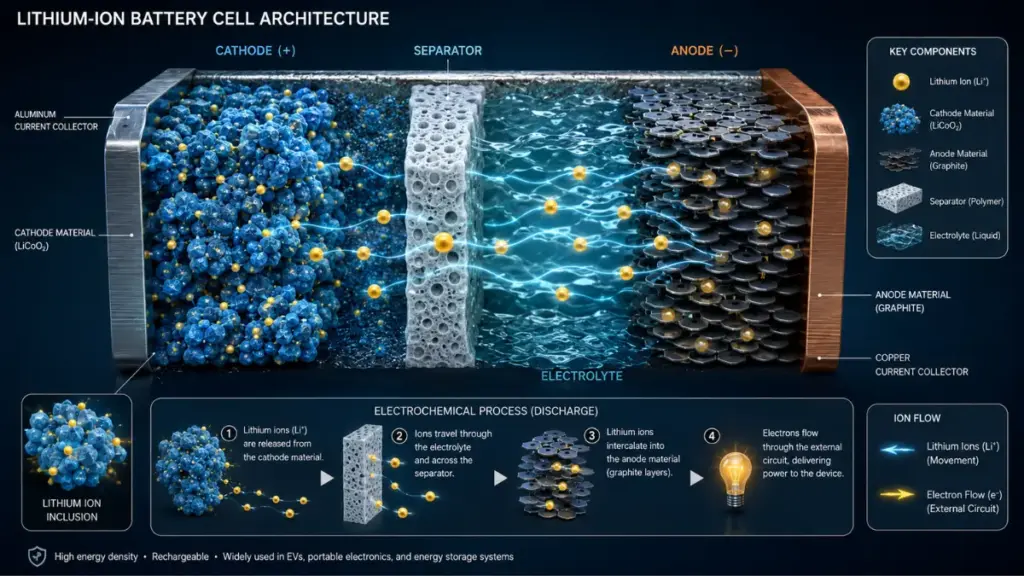
This stability is primarily due to advancements in Battery Management Systems (BMS). Modern BMS architecture doesn’t just monitor voltage; it actively manages thermal loads and charge distribution across thousands of individual cells. If your car is a post-2022 model, the software is doing heavy lifting that early EV owners could only dream of. The “cliff” that people feared—where the battery suddenly dies and requires a massive replacement—is statistically rare in 2026. According to recent data from large-scale fleet studies, the probability of a total battery replacement in modern vehicles is approximately 0.3%.
Real-World EV Battery Reliability: Beyond the Brochure
When you talk to high-mileage owners, you realize that the EV battery is often the most over-engineered component of the entire vehicle. While critics love to point at the occasional horror story of a failed pack at 40,000 miles, these are usually outliers caused by manufacturing defects that appear early in the car’s life.
The real test is the “300,000-mile challenge.” In 2026, we have a growing cohort of vehicles that have surpassed this threshold. What do they show? They show that the EV battery usually outlives the rest of the car. The suspension components, wheel bearings, and interior plastics are far more likely to “disintegrate” around the battery than the battery is to fail.
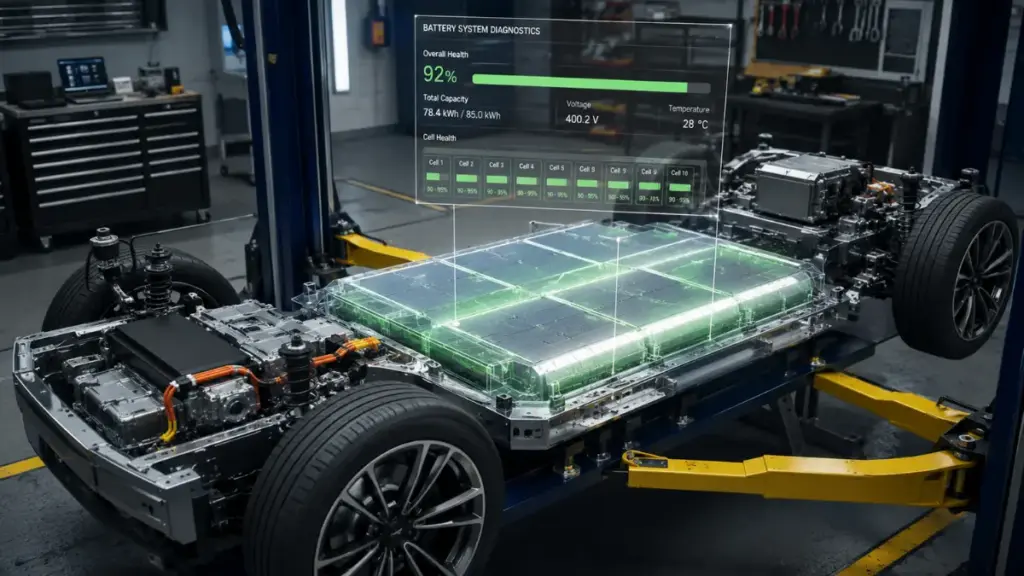
However, there is a catch: “Reliability” does not mean “perfection.” Some owners of early-generation EVs are now finding that while the car still drives, the charging speed has diminished. This isn’t necessarily a failure of the EV battery itself, but a safety protocol enacted by the manufacturer to protect older chemistry from stress. It is a slow, functional decline rather than a catastrophic “brick” scenario.
The Hidden Trap: Insurance Costs and Total Loss Risks
Here is the part the press release leaves out: Your EV battery is a structural liability. In modern “skateboard” architectures, the battery pack is not just an energy storage unit; it is a load-bearing member of the chassis.
“The only reason the battery warranty exists was to incentivize people to not worry about it and to incentivize the auto makers to NOT sell unreliable shit, hampering the transition to this new tech by giving it a bad reputation before it even got off the ground.”
Jade
Because of this, even a “minor” accident that results in a scraped underbelly can lead to a “total loss” designation by your insurance company. If the structural integrity of the battery casing is compromised, the repair protocol—mandated by the manufacturer for safety reasons—often involves replacing the entire pack.
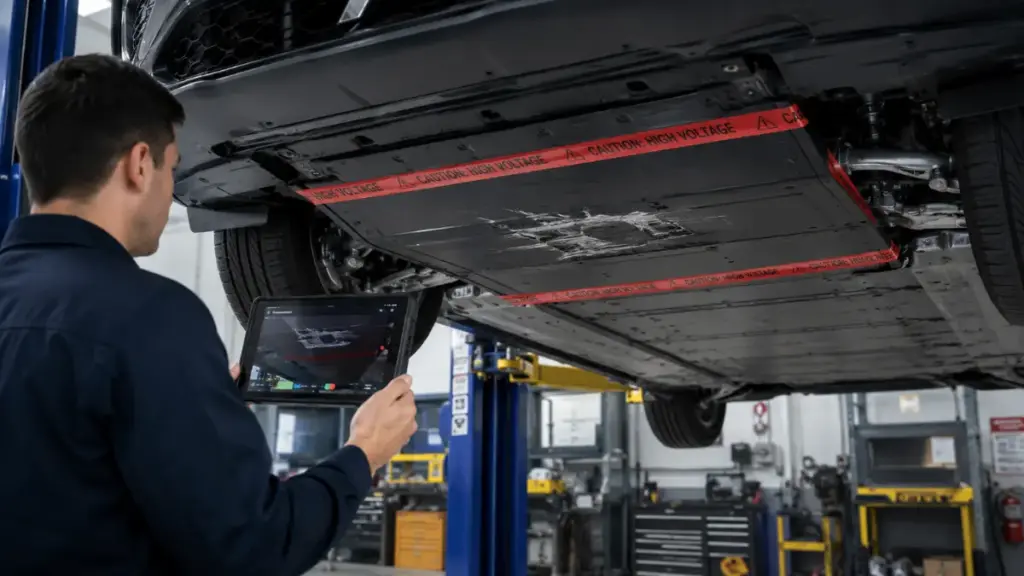
This is why your insurance premiums are 15% to 30% higher for an EV compared to an equivalent gas-powered car. Insurers are not just worried about the price of the battery; they are worried about the uncertainty of the repair. Even with the launch of initiatives like the “EV Blueprint” in early 2026, which aims to standardize battery repair, the current reality for most owners is that a minor hit can turn a perfectly functional car into a pile of scrap.
Charging Habits: The Thin Line Between 20 Years and Failure
If you want to know why one person’s EV battery lasts 200,000 miles and another’s degrades prematurely, look at their charger. The single biggest operational stressor for any EV battery is DC Fast Charging (DCFC).
The physics is straightforward: high-power charging creates rapid heat buildup within the cells. Heat is the ultimate enemy of electrolyte stability. Fleet data from 2026 shows that vehicles relying on DCFC for more than 12% of their charging sessions degrade at nearly double the rate of those that stick to Level 2 (home) charging.
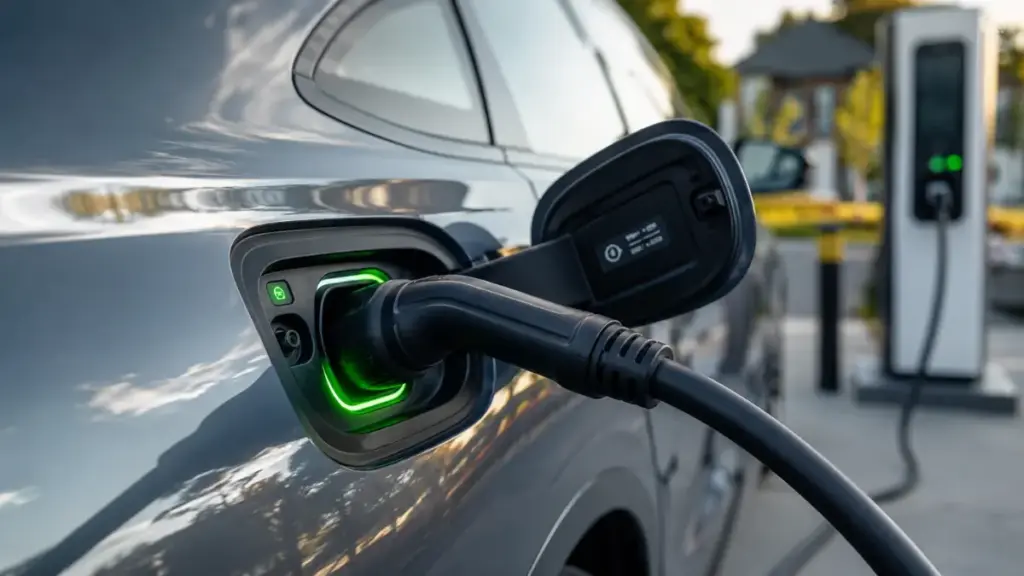
The “20-80% rule” is not just a suggestion; it is sound battery science. By keeping your state-of-charge within this “Goldilocks zone,” you avoid the high-voltage stress that occurs when the battery is completely full and the deep-discharge stress at the bottom of the range. If you are the type of driver who charges to 100% every night and hits 350kW superchargers at every stop, you will see accelerated degradation. It isn’t a defect; it’s basic chemistry.
Why Repairs for Your EV Battery Are Still a Nightmare
The EV battery service industry is currently in a state of “skills lag.” While the number of EVs on the road has exploded, the number of technicians certified to perform high-voltage repairs has not kept pace.
Repairing a battery pack is not like changing an alternator. It involves working with proprietary software logs, specialized cooling loops, and high-voltage isolation procedures that take hours of manual labor just to reach the cells. In 2026, many dealerships still opt for “swap-out” repairs—they replace the whole unit because they lack the diagnostic granularity to repair a single faulty module.
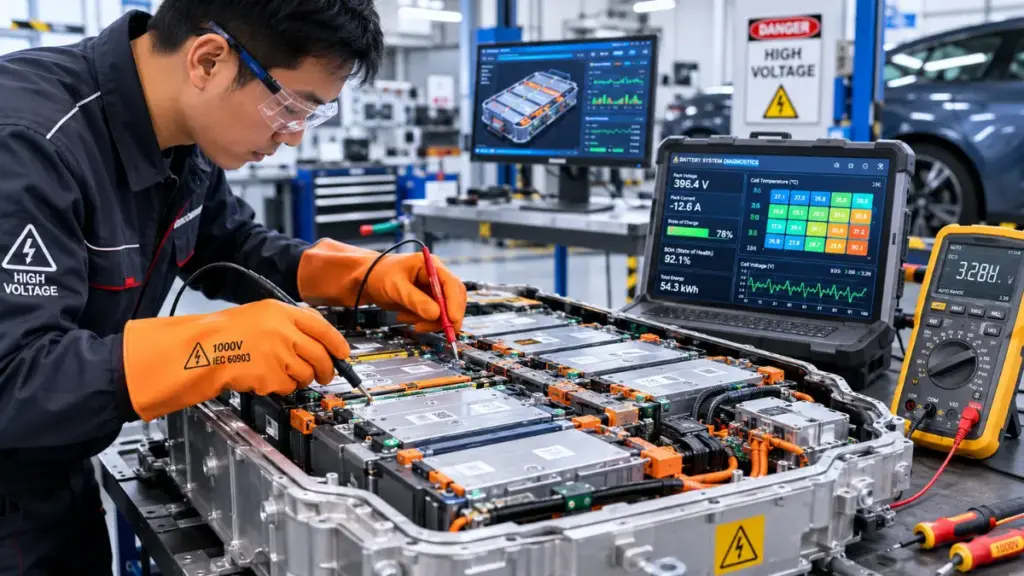
This lack of standardization across manufacturers means that each pack is an island. A module from a Tesla is not compatible with a Ford or a Hyundai. Until the industry moves toward the modular “plug-and-play” repair models recommended by safety blueprints, your EV battery remains a “black box” that is nearly impossible to fix at a local, independent shop. This keeps labor costs artificially high and leaves the consumer at the mercy of dealer service departments.
The “Appliance” Mentality: Will You Even Own the Car Long Enough?
There is a strange paradox in the EV community: we worry about the EV battery failing in year 15, yet most of us upgrade our phones every two years and our cars every five.
The “appliance” mentality is becoming the norm. Many EV owners now treat their cars like smartphones—buying them for the current tech, the driving assistance software, and the range, with the full intention of moving on to the next generation. From this perspective, the long-term EV battery health is someone else’s problem.
More Read


However, this doesn’t help the secondary market. If you are looking at buying a used EV, you are inheriting the previous owner’s charging habits. This is why tools that verify “State of Health” (SoH) are now mandatory for any used EV purchase. A car with 50,000 miles is not just a car; it is a record of 50,000 miles of thermal cycles. If the previous owner was a “supercharger-every-day” driver, that SoH number will tell you everything you need to know about the EV battery‘s remaining life.
The Role of Warranty and Manufacturer Over-Engineering
So, if the battery is so risky, why do manufacturers give you an 8-year or 100,000-mile warranty? Is it altruism? Hardly.
It is a calculated risk. Manufacturers have been “over-building” these packs, knowing that they can’t afford a widespread failure that would crater their reputation. The 70% retention threshold you see in your warranty book is the “floor,” not the target. Most EV battery packs today are designed to stay well above 80% SoH throughout the warranty period under normal usage.
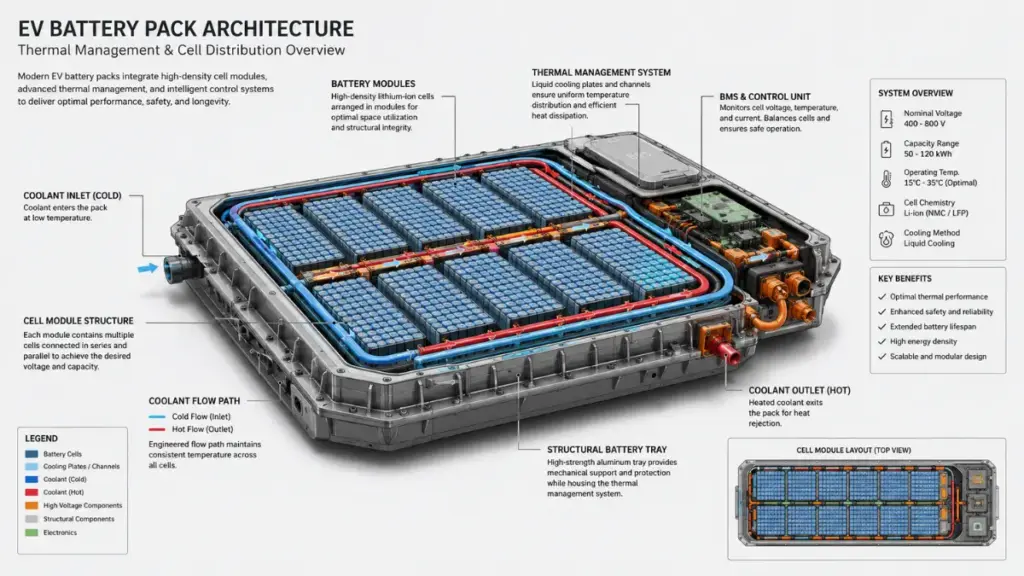
The battery warranty is effectively a “don’t panic” policy. By guaranteeing 70% retention, they provide a buffer that accounts for the worst-case scenario. The real fear shouldn’t be that the battery will fail during the warranty; it should be what happens to the repair costs after the warranty expires.
The Future: A Second Life for Your EV Battery
What happens to your EV battery when it finally reaches that 70% SoH point? It isn’t destined for the landfill. The energy storage sector is currently booming with interest in “second-life” batteries.
These degraded packs, which are no longer “good enough” for a performance car, are still perfectly capable of storing solar energy for homes or stabilizing power grids. This circular economy is what will eventually drive down the replacement costs of the EV battery.

This is the hidden bright side of the EV battery equation: your car is not just a vehicle; it is a distributed energy asset. The more we lean into this, the less intimidating the “battery cliff” becomes.
When the Physics of Weight Meets the Reality of Roads
We have to talk about the weight. A modern long-range EV battery adds thousands of pounds to the vehicle’s curb weight. This has a profound impact on the “unseen” wear of your car.
Your tires, your suspension bushings, and your wheel bearings are under significantly more stress than they would be in a lighter gas vehicle. While the EV battery itself might be fine, you will find yourself replacing tires every 20,000 miles. This is a “maintenance tax” that many buyers don’t factor into their TCO.
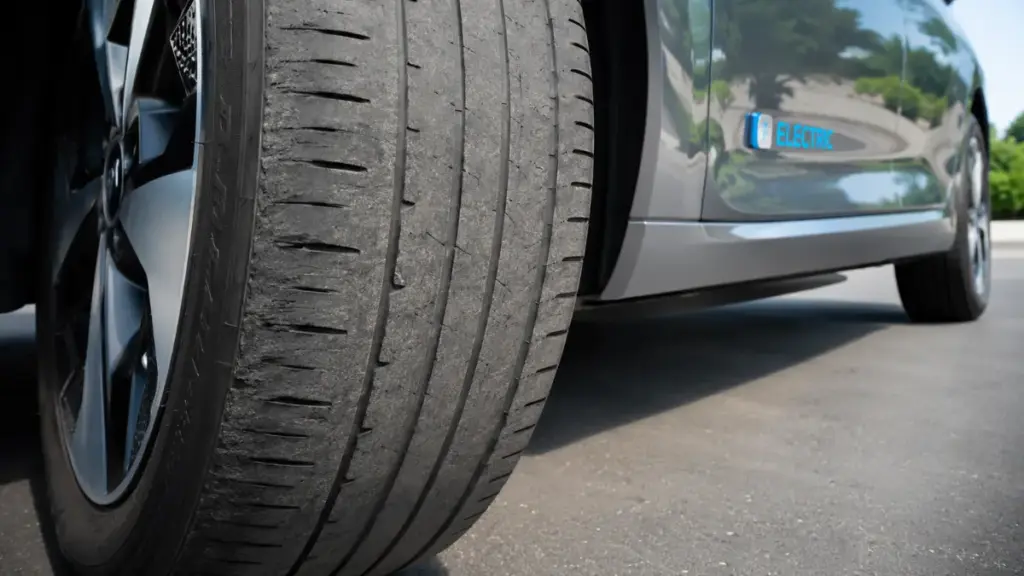
You aren’t just paying for electricity; you are paying for the physical impact of a 5,000-pound machine navigating potholes. The next time you check your EV battery health, take a moment to look at your suspension and tires—the real-world reliability of your car depends on more than just the cells in the floorboard.
Why “Range Anxiety” Is Actually “Charging Logic”
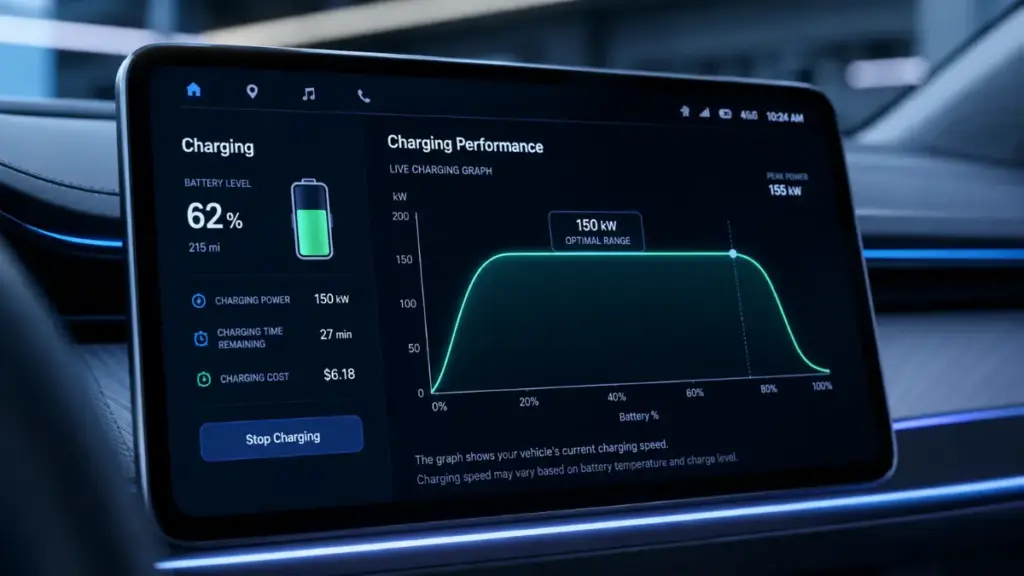
The final, often misunderstood reality of the EV battery is range. People obsess over the “300 miles” number, but it’s a vanity metric. What matters is the recharge curve.
In 2026, the best EVs are those that can hold their peak charging speed for the longest time. A car that charges at 250kW for the first five minutes and then drops to 50kW is objectively worse than a car that holds 150kW for 20 minutes. The EV battery capacity is just the reservoir; the charging speed is the faucet.
Conclusion: Is the EV Battery Really a Ticking Time Bomb?
The industry narrative is shifting from “will it last?” to “how do we manage it?”. After analyzing the 2026 landscape and the collective experience of thousands of real-world owners, the answer is clear: EV battery technology is the most robust component of the modern vehicle.
It is not a ticking time bomb. It is a highly sophisticated, managed asset. If you treat it with respect—by avoiding extreme charging habits, keeping it away from extreme heat, and understanding that minor structural damage could total the car—the EV battery will likely be the last thing that fails on your vehicle.
The “harsh realities” we’ve discussed are simply the growing pains of a new technology. As the repair infrastructure improves and insurance companies adjust their risk models, the “EV transition” will become less about fear and more about the simple, undeniable efficiency of electric travel.
The EV battery is not your enemy. It is the heart of a machine that is fundamentally changing how we define automotive reliability. Stay informed, monitor your health data, and enjoy the drive.
FOR ANY QUESTIONS OR FURTHER TECHNICAL INSIGHTS, PLEASE LEAVE A COMMENT BELOW OR FOLLOW THE COUCH INSIDER FOR THE LATEST UPDATES.