


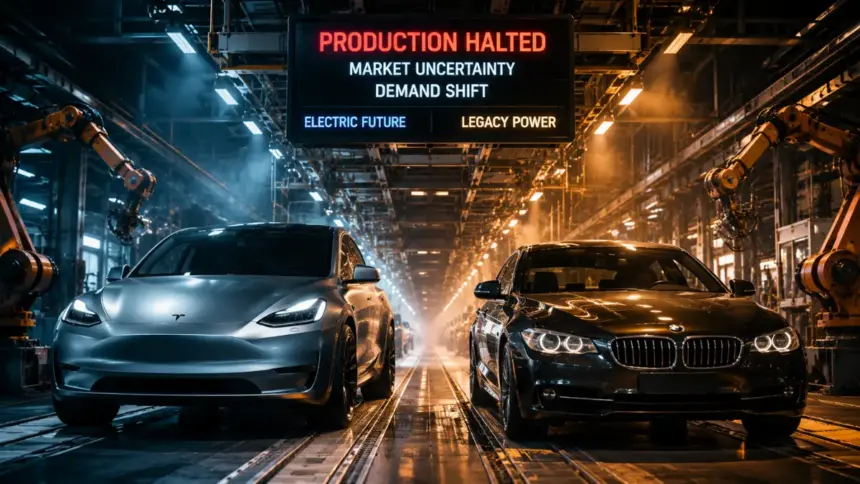
The global automotive industry’s aggressive transition toward total battery electrification has hit a wall of economic reality. Just a few years ago, traditional automakers raced to announce ambitious timelines to eliminate internal combustion engines (ICE). However, as mainstream consumer demand for battery electric vehicles plateaued under the weight of inadequate public charging networks, severe cold-weather range degradation, and brutal secondhand depreciation, the retail market reached a critical breaking point—leading to a rapidly growing list of discontinued cars.
- The Miscalculated EV Transition: Why Discontinued Cars Are Piling Up
- Detailed Breakdown of Notable Discontinued Cars Coming in 2027
- The Used Car Market Dynamics: Opportunities vs. Financial Traps
- Deconstructing the Mechanical Risks: What Happens When Parts Dry Up?
- Complete Pre-Purchase Checklist for Buying Discontinued Cars
- The Strategic Takeaway
The immediate result is a chaotic structural realignment across global markets. Automakers are quietly shuttering early-stage EV experiments, abandoning low-margin passenger cars, and axing iconic sedans to offset massive R&D expenditures. This strategic retreat has triggered an unprecedented wave of discontinued cars heading into 2027.
Understanding this shift requires looking beyond corporate press releases. By analyzing real-world ownership experience—examining mechanical wear, dealer markup inflation, aftermarket supply chain longevity, and pre-owned depreciation curves—we can cut through marketing hype to reveal why these discontinued cars failed, where their secondhand market values are heading, and whether buying one in 2027 represents a hidden value bargain or a high-risk mechanical liability.
The Miscalculated EV Transition: Why Discontinued Cars Are Piling Up
The sudden surge in vehicle cancellations is not a random market anomaly; it is the direct outcome of three overlapping economic pressures pulling the modern car market in different directions.
1. The Death of the “Build It and They Will Come” EV Strategy
Early EV adopters and commercial fleet buyers rapidly absorbed the initial wave of battery electric offerings. However, mainstream retail buyers remain deeply hesitant due to persistent operational friction: inconsistent public charging uptime, exorbitant battery replacement costs outside of factory warranty coverage, and elevated insurance premiums caused by complex structural repair requirements—ultimately forcing automakers to turn many early electric models into discontinued cars.
When BEV sales volume slowed, car manufacturers found themselves holding massive inventories of capital-intensive vehicles yielding paper-thin or negative profit margins. To protect corporate balance sheets, executives are systematically terminating low-volume compliance models, turning them into discontinued cars practically overnight.
2. The Franchise Dealer Model as an Acceleration Factor
The traditional franchise dealership network has unintentionally accelerated the demise of many viable passenger cars. During recent supply chain bottlenecks, dealership price markups (“market adjustments”) and mandatory add-on packages drove the out-of-the-door transaction prices of basic transportation completely out of reach for budget-conscious consumers—effectively pricing these models out of the market and pushing them straight onto the list of discontinued cars.
When a compact hatchback or midsize base-tier sedan carries a $3,000 to $5,000 retail markup, its core value proposition evaporates. Consumers either stretch their household budgets to purchase a larger crossover or exit the new car market entirely. As inventory sat unsold on dealer lots, corporate accountants utilized poor sales velocity data to add these models to the growing list of discontinued cars.
3. The Extinction of the Low-Margin Passenger Car
Automakers operate on strict return-on-invested-capital (ROIC) mandates. A compact sedan or subcompact hatchback yields a slim profit margin compared to a high-riding crossover built on the exact same underlying architecture. By converting four-door passenger vehicles into discontinued cars, manufacturers force buyers up the pricing ladder into higher-margin SUVs and trucks. This shift has decimated entry-level vehicle lineups, leaving budget buyers with far fewer affordable new transportation options.
Detailed Breakdown of Notable Discontinued Cars Coming in 2027
“The retail customer refused to absorb the cost of unproven battery architectures without robust infrastructure. When federal tax incentives tapered off and subsidies expired, sales velocity collapsed overnight.”
Jade
To evaluate the long-term impact of this market transition, we must categorize these vehicles by the primary drivers of their demise. Below is an exhaustive analysis of eight key nameplates that are joining the ranks of discontinued cars by 2027, complete with field ownership insights, market valuations, and long-term component supply chain risks.
Discontinued Cars Market Risk & Value Overview
| Vehicle Nameplate | Discontinuation Risk Category | Secondary Market Resale Outlook | Long-Term Parts Availability Risk |
| Audi Q8 e-tron | First-Gen EV Compliance / Outdated Platform | Severe Depreciation (-60% in 3 Yrs) | High Risk (Proprietary BMS & Modules) |
| Nissan Ariya / Honda Prologue | Intermediate Joint Venture / Market Failure | Rapid Value Loss (-40% in 2 Yrs) | Moderate to High Risk (Body Panels) |
| Nissan Altima & Versa | Crossover Displacement / Low Profit Margin | Predictable Linear Depreciation | Very Low Risk (Mass-Produced OEM Parts) |
| Lexus LS & Audi A4 | Luxury Sedan Sales Collapse | Stable Floor (LS) / Rapid Post-Warranty (A4) | Low to Moderate Risk (Shared Platforms) |
| Toyota GR Supra | Expiration of BMW Joint Development | Future Modern Classic / High Value Retention | Low Mechanical / High Bodywork Risk |
| Volvo V60 / V90 | Wagon Segment Extinction | Collector Status for Polestar Trims | Moderate Risk (Long-Roof Trim Scarcity) |
| Dodge Hornet | Failed Badge-Engineering & Software Bugs | Extreme Depreciation (-50% in 1 Year) | High Risk (Low Production Volume) |
| Cadillac XT4 / XT6 | Aging Architecture / Electric Pivot | Steep Steady Decline | Very Low Risk (Global GM Platform) |
Group A: The Inefficient & Experimental EV Wave
1. Audi Q8 e-tron
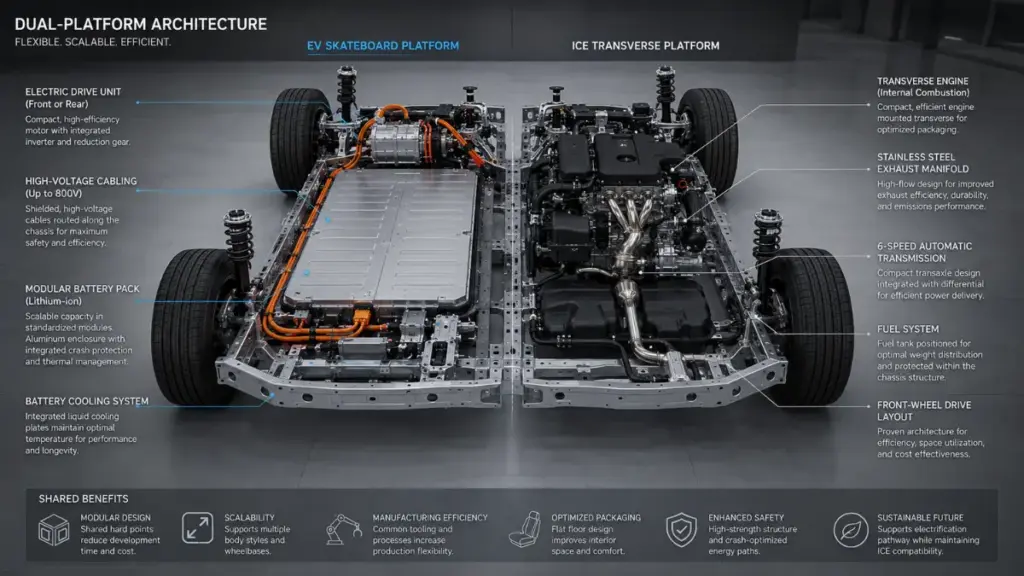
- Discontinuation Drivers: The Q8 e-tron suffers from an outdated lineage among early discontinued cars. Originally launched simply as the “e-tron,” it was built on a modified version of Volkswagen Group’s MLB Evo internal combustion platform rather than a dedicated ground-up EV skateboard. As a result, it carries excess curb weight (over 5,700 lbs), suffers from lackluster real-world driving efficiency (roughly 2.5 to 2.8 miles per kWh), and charges slower than newer 800-volt competitors. High manufacturing overhead at the Brussels facility ultimately forced Audi to axe the model line.
- Real-World Owner & Field Insights: Drivers report that while cabin quietness and air suspension ride quality rival top-tier luxury sedans, the electrical architecture shows clear signs of early-generation design. Thermal management issues during rapid DC fast charging, software glitches in the dual MMI touchscreen system, and premature tire wear caused by immense curb weight are constant owner complaints.
- Used Market Valuation & Depreciation Curve: Like many electric discontinued cars, the Q8 e-tron experiences steep depreciation on the pre-owned market. Models that originally retailed above $75,000 regularly lose 55% to 65% of their value within the first three years. This rapid drop creates an attractive sticker price on the secondhand market, but it reflects buyer anxiety regarding post-warranty battery pack repairs.
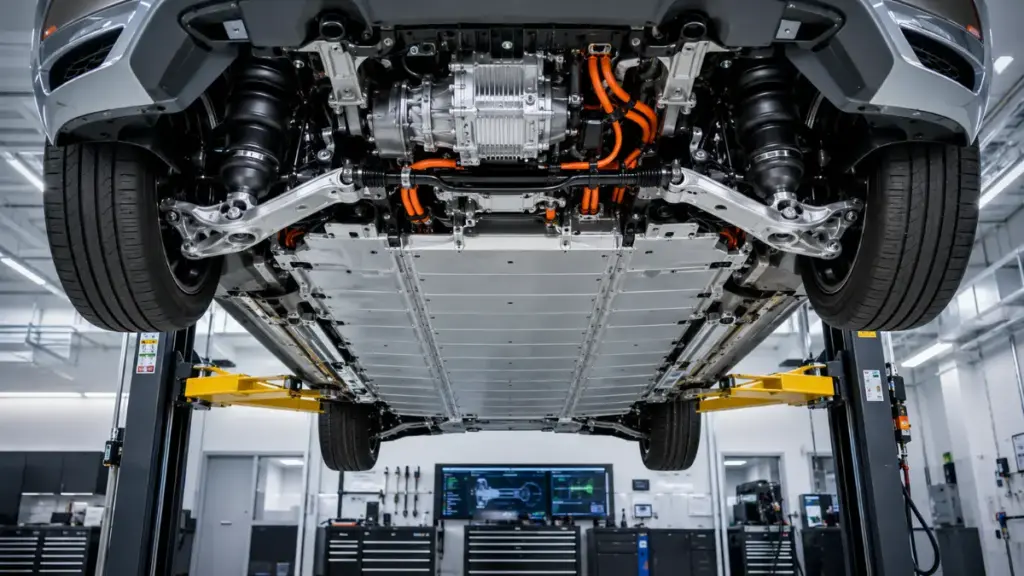
- Parts & Component Supply Chain Risk: CRITICAL RISK. While basic suspension and brake hardware share part numbers with the gas-powered Audi Q7 and Q8, the electric drivetrain, high-voltage battery management system (BMS), power electronics, and cooling circuits are model-specific. If an integrated power inverter or thermal control module fails after Audi terminates production, owners face backordered parts with lead times stretching into months, as well as exorbitant dealer replacement costs.
2. Nissan Ariya / Honda Prologue
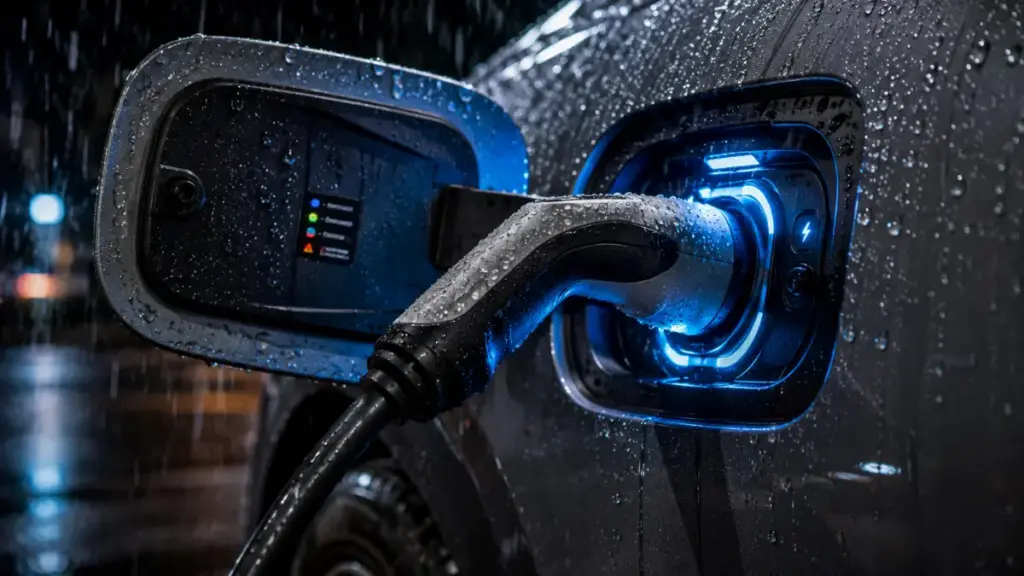
- Discontinuation Drivers: Both the Nissan Ariya and the Honda Prologue (built on General Motors’ Ultium platform via a joint venture) represent intermediate corporate stepping stones now morphing into discontinued cars. The Ariya was hampered by delayed production launches, high MSRPs, and a lack of Tesla Supercharger integration at launch. The Honda Prologue, meanwhile, served merely as a stopgap measure while Honda finalized its own in-house e:Architecture platform, making its sunset inevitable.
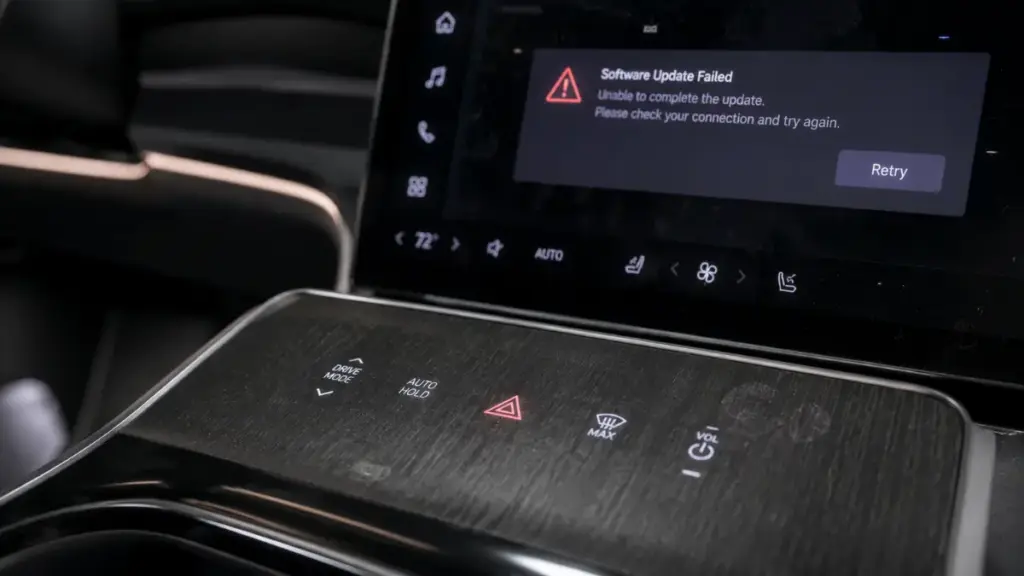
- Real-World Owner & Field Insights: Practical experience with these crossovers reveals frustration with pricing and tech integration. The Ariya’s haptic touch controls integrated directly into the wood grain dashboard often fail to give physical feedback, frustrating drivers while underway. The Honda Prologue faces identity confusion: underneath the Honda badge, nearly every switchgear element, chime, and infotainment menu is pulled directly from GM’s parts bin, creating a disconnect for longtime Honda loyalists.
- Used Market Valuation & Depreciation Curve: Both vehicles face aggressive residual value write-downs. Fleet dump practices and aggressive lease subsidies used by dealers to clear lot inventory have flooded the secondary market, depressing used values of these discontinued cars to roughly 40% below their original sticker prices within 24 months.
- Parts & Component Supply Chain Risk: MODERATE TO HIGH RISK. The Honda Prologue fares slightly better among discontinued cars because its powertrain, motor control units, and Ultium battery cells are shared with the Chevrolet Blazer EV, ensuring a steady supply of aftermarket and OEM mechanical components in North America. The Nissan Ariya, however, relies on specialized Japanese-built body panels, unique climate-control heat pump modules, and low-volume interior trim pieces that third-party aftermarket suppliers are unlikely to replicate—making it one of the far riskier discontinued cars to maintain long-term.
Group B: Victims of the Crossover Craze (Sedans & Wagons)
3. Nissan Altima & Versa
“Evaluating a discontinued car in the used market is less about panic and more about understanding context. Production stops for strategic or regulatory reasons, yet the car continues to exist on roads, in service centers, and in the hands of owners who rely on it daily.” — The Times of India (Automotive Editorial)
- Discontinuation Drivers: Nissan’s decision to add both the compact Versa and the midsize Altima to the list of discontinued cars signals the end of the affordable Japanese sedan in North America. The Versa, long known as one of the last remaining sub-$20,000 new cars on the market, generates razor-thin profit margins that no longer make financial sense in an inflation-adjusted economy. The Altima, once a dominant force in corporate fleet sales and commuter driveways, has seen its market share eroded by Nissan’s own Rogue crossover.
Market Shift Comparison: Sedans vs. Crossovers (2018–2027)
| Metric / Category | Midsize & Compact Sedans (Altima / Versa) | Compact & Midsize Crossovers (Rogue / RAV4) |
| Market Share Trend (2018–2027) | Declined from 38% to under 14% of passenger sales | Increased from 42% to over 68% of total volume |
| Average Dealer Profit Margin | 2.5% – 4.0% per unit | 7.5% – 11.0% per unit |
| Target Buyer Demographic | Budget commuters, rental fleets, first-time buyers | Families, suburban commuters, active lifestyle |
| Production Line Priority | Scaled down or converted to SUV assembly | Max capacity, multiple factory shifts |
Real-World Owner & Field Insights: The real-world record of these sedans is a tale of two systems. The 2.5-liter naturally aspirated engine in the Altima is a proven workhorse capable of high mileage with minimal intervention. However, the continuous-variable transmission (CVT) remains a well-documented weak point. Owners who skip the strict 30,000-mile CVT fluid flush intervals frequently encounter transmission shudder, belt slip, and catastrophic valve body failures before reaching six-figure odometer readings.- Used Market Valuation & Depreciation Curve: Unlike niche discontinued cars, these models follow a predictable, linear depreciation curve. Because millions of these cars were manufactured, used prices are accessible, making them staple choices for first-time buyers, delivery drivers, and budget-conscious commuters. They do not hold collector value, but they stabilize at an accessible floor price on the pre-owned market.
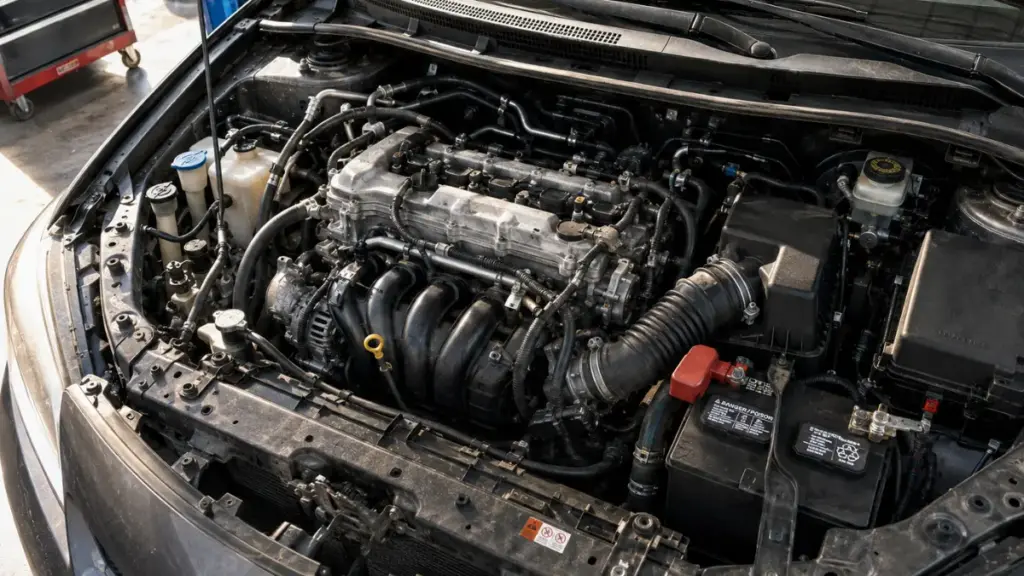
- Parts & Component Supply Chain Risk: VERY LOW RISK. This is where mass-produced discontinued cars shine. Because Nissan produced these platforms in high volumes over multiple decades, aftermarket support is massive. Mechanics can source alternators, brake rotors, control arms, and body panels from any local auto parts distributor or salvage yard for pennies on the dollar.
4. Lexus LS & Audi A4
- Discontinuation Drivers: The cancellation of these two iconic nameplates expands the secondary market for luxury discontinued cars. The Lexus LS, which originally put the European luxury establishment on notice in 1989, has seen sales plummet as wealthy buyers migrate toward full-size luxury SUVs like the Lexus LX and GX. Meanwhile, Audi is restructuring its naming scheme, replacing the ICE-powered A4 sedan line with even-numbered EV badges and consolidating traditional gas engines under the A5 moniker.
- Real-World Owner & Field Insights: Long-term feedback highlights a stark divergence in operational philosophy between Japanese and German engineering:
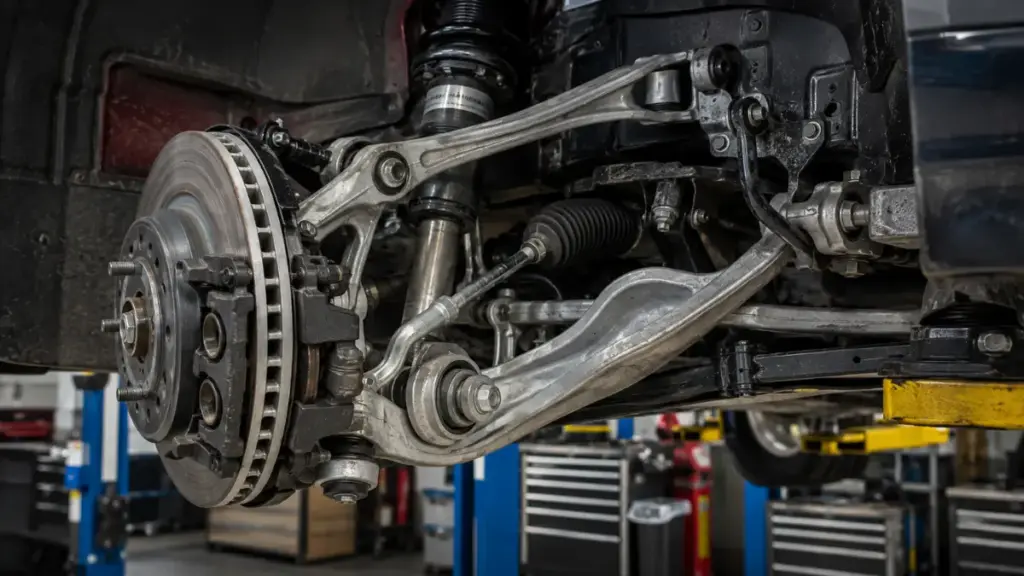
- Lexus LS (V6 Twin-Turbo generation): Exceptionally smooth, but owners note that the twin-turbo system introduced higher engine bay temperatures and complex vacuum routing compared to the bulletproof V8s of previous generations.
- Audi A4 (B9/B9.5 platform): Admired for its refined 2.0-liter TFSI engine and Quattro all-wheel-drive system, but criticized for plastic thermostat housing failures, timing chain tensioner wear over time, and complex multi-link suspension bushings that degrade every 60,000 miles.
Luxury Sedan 5-Year Depreciation Comparison
| Model | Original MSRP Range | Year 3 Estimated Value | Year 5 Estimated Value | Secondary Market Buyer Profile |
| Lexus LS 500 | $78,000 – $95,000 | $48,000 (61% retained) | $36,000 (46% retained) | Long-term luxury buyers seeking comfort |
| Audi A4 2.0T | $42,000 – $52,000 | $22,000 (52% retained) | $13,500 (32% retained) | Entry luxury tuners, secondhand commuters |
Used Market Valuation & Depreciation Curve: The Audi A4 depreciates rapidly after its factory warranty expires, dropping into entry-level price brackets where maintenance costs can quickly exceed the car’s market value. The Lexus LS depreciates slower and stabilizes at a higher price floor due to the brand’s long-standing reputation for mechanical durability.- Parts & Component Supply Chain Risk:LOW TO MODERATE RISK.
- Audi A4: Very safe. The EA888 2.0L engine and MLB platform are shared across dozens of Volkswagen, Audi, Skoda, and SEAT models worldwide, guaranteeing parts production for decades.
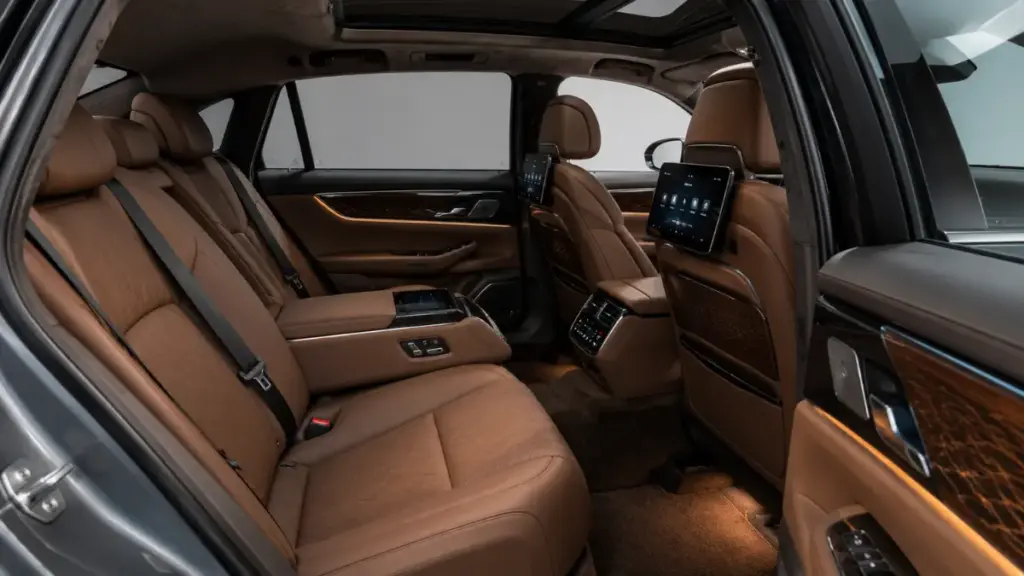
- Lexus LS: Mechanical components (brakes, filters, sensors) are readily available through Toyota’s supply chain. However, unique interior wood trim, executive rear-seat entertainment modules, and air suspension struts carry high price tags if sourced directly from OEM dealerships.
Read more:
Group C: The “Killed Too Soon” Enthusiast & Niche Vehicles
5. Toyota GR Supra
- Discontinuation Drivers: The Toyota GR Supra joined the lineup of discontinued cars due to the expiration of its joint development agreement with BMW. The GR Supra shares its platform, B58 inline-six engine, and interior architecture with the BMW Z4. With the current BMW Z4 reaching the end of its lifecycle at the Magna Steyr assembly plant in Graz, Austria, Toyota has no financially viable path to manufacture the Supra independently on a bespoke rear-wheel-drive platform.
Toyota GR Supra (A90) Component Origins
| Component Group | Origin / Supplier | Shared Vehicles / Platforms |
| Engine (3.0L Turbo I6) | BMW (B58B30O1) | BMW M340i, Z4 M40i, X3 M40i |
| Transmission | ZF (8HP51 8-Speed) / 6-Speed Manual | Global BMW / Toyota Sports Platforms |
| Chassis & Suspension | Joint BMW / Toyota Architecture | BMW Z4 (G29) |
| Body Shell & Exterior | Toyota Bespoke Design | Exclusive to A90 Supra |
| Infotainment & Switchgear | BMW iDrive System | BMW 3-Series / Z4 |
Real-World Owner & Field Insights: The GR Supra is widely regarded by driving enthusiasts as a modern triumph, largely due to the legendary reliability and tuning potential of BMW’s B58 engine. Field reports confirm that the engine easily handles track day abuse and modest power additions without mechanical breakdown. The main real-world owner complaints center around practical usability: severe wind buffeting inside the cabin when driving with the windows down (requiring aftermarket wind deflectors) and compromised outward visibility due to the low roofline—traits that buyers will need to weigh carefully as it joins the ranks of sought-after discontinued cars.- Used Market Valuation & Depreciation Curve: Unlike appliance commuters, enthusiast discontinued cars like the GR Supra enjoy strong value retention. Manual transmission models, in particular, are holding their value extremely well on the secondhand market. As one of the final pure internal-combustion sports cars with a manual gearbox, the A90 Supra is poised to skip the deep depreciation trough entirely and transition straight into a sought-after modern classic.
- Parts & Component Supply Chain Risk: LOW MECHANICAL RISK / HIGH BODYWORK RISK. Because the mechanical running gear (engine, transmission, differential, wiring harnesses) is standard BMW hardware, replacement engine parts are abundant globally. However, Toyota-specific aluminum body panels, ducktail spoiler rear hatches, headlamp assemblies, and interior dash trims are produced in limited numbers. A minor front-end impact could result in long body shop delays while waiting for specialized panels to arrive from Europe.

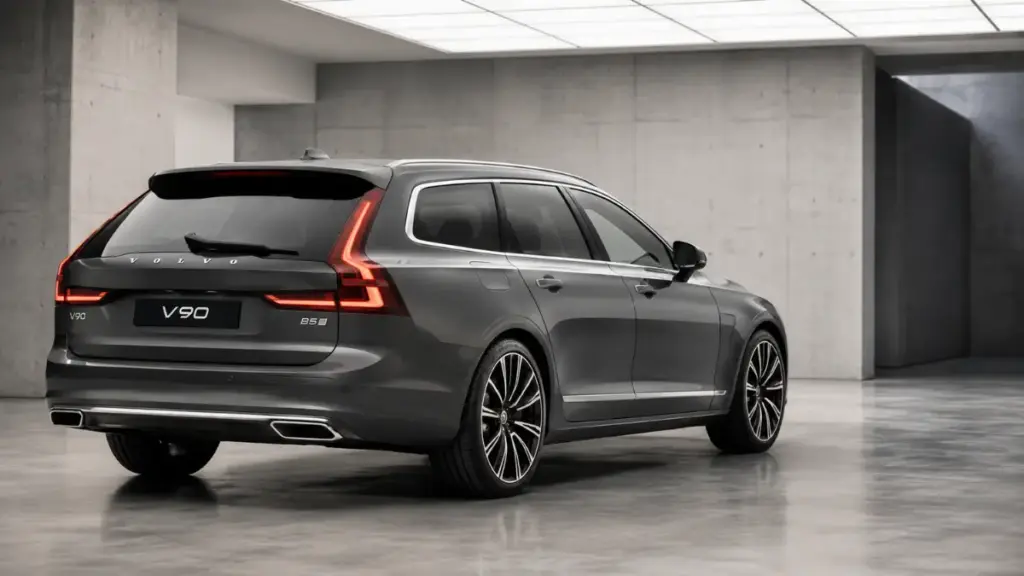
6. Volvo V60 / V90 (Wagons)
- Discontinuation Drivers: Volvo’s transition toward an all-electric SUV lineup has claimed its most traditional long-roof products, adding the V60 and V90 station wagons to the registry of discontinued cars. Despite a dedicated enthusiast base in northern climates and Europe, traditional low-slung wagons sell in fractionally small numbers compared to high-riding XC60 and XC90 crossovers in key growth markets like North America and China.
- Real-World Owner & Field Insights: Owners praise these vehicles for having some of the most ergonomic seats in the auto industry, unmatched cold-weather capability, and timeless exterior proportions. However, field experience with the complex Drive-E powertrains—which in higher trims feature a 2.0-liter engine that is simultaneously turbocharged, supercharged, and coupled to a mild-hybrid electric system—reveals potential failure points as mileage accrues. Auxiliary battery faults, supercharger clutch wear, and delicate air suspension systems require meticulous maintenance.
- Used Market Valuation & Depreciation Curve: These wagons follow a distinct bifurcation curve. Standard base-tier trims depreciate like typical luxury European discontinued cars. However, specialized variants—such as the V60 Polestar Engineered plug-in hybrid and rugged Cross Country models—command strong prices on the secondary market due to limited supply and high demand from wagon enthusiasts.
- Parts & Component Supply Chain Risk: MODERATE RISK. Volvo’s Scalable Product Architecture (SPA) is shared across the S60, S90, XC60, and XC90, ensuring that engines, brake systems, and front suspension components remain available. The primary risk lies in wagon-specific rear tail lamps, rear tailgate glass, cargo area interior trim, and rear roof rails, which will become increasingly expensive to source once factory inventories deplete.
Group D: The Deserved Fates
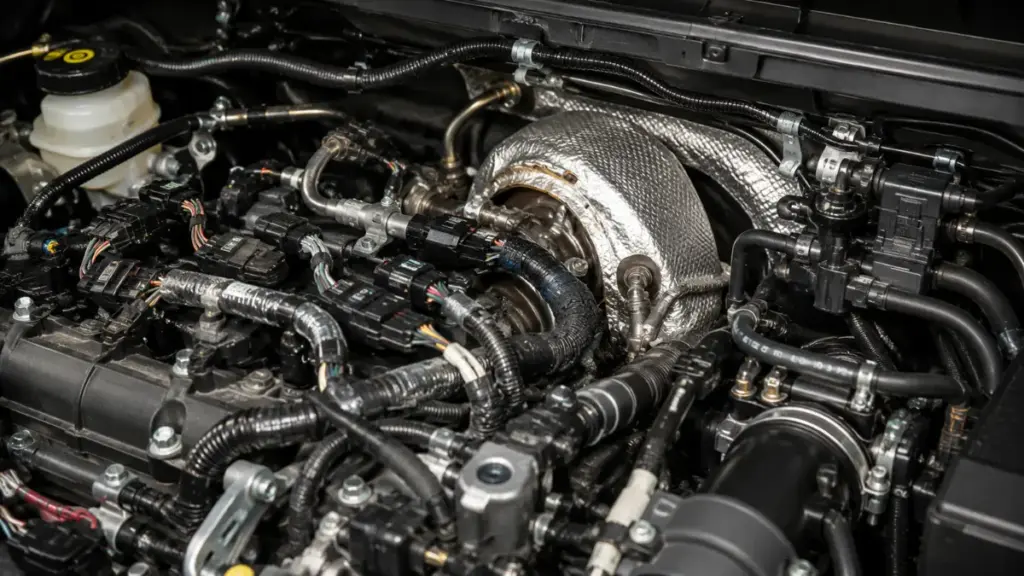
7. Dodge Hornet
- Discontinuation Drivers: The Dodge Hornet stands out as one of the most troubled recent discontinued cars. Developed as a quick rebadge of the Alfa Romeo Tonale to boost Stellantis’ fleet fuel economy numbers, the Hornet was plagued from day one by positioning missteps, pricing overlaps with larger SUVs, and poor brand alignment. Consumers quickly saw through the badge-engineering attempt, leaving dealer lots overflowing with unsold inventory despite heavy manufacturer incentives.
Stellantis Shared Platform Matrix (Dodge Hornet vs. Alfa Romeo Tonale)
| Feature / Attribute | Dodge Hornet | Alfa Romeo Tonale |
| Manufacturing Location | Pomigliano d’Arco, Italy | Pomigliano d’Arco, Italy |
| Base Powertrain | 2.0L Turbo I4 (268 hp) | 1.3L Turbo PHEV / 2.0L Turbo |
| Brand Positioning | Performance-oriented compact CUV | Italian premium compact crossover |
| Primary Owner Issue | Frequent electrical software errors | Dealership network availability |
| Depreciation Rate (Yr 1) | ~48% – 52% Value Loss | ~42% – 45% Value Loss |
Real-World Owner & Field Insights: The ownership record for the Hornet is troubled by software and electrical reliability issues. Early buyers reported frequent false-alarm dashboard warning lights, sudden infotainment blackouts, hybrid powertrain fault codes on PHEV models, and erratic adaptive cruise control behavior. Technicians at dealerships often struggled to diagnose these bugs due to complex, overlapping Italian and American electronic control unit (ECU) architectures.- Used Market Valuation & Depreciation Curve: SEVERE DEPRECIATION. The Hornet experiences some of the most aggressive value loss among modern discontinued cars. Heavy rental fleet dumping, combined with massive dealer discounts on unsold back-inventory, has severely damaged resale values, causing 1-to-2-year-old models to drop by up to 50% from original sticker prices.
- Parts & Component Supply Chain Risk: HIGH RISK. Because the Hornet was sold in small volumes over a short production run, third-party aftermarket suppliers have little financial incentive to manufacture replacement parts like bumpers, radiators, lighting units, or control arms. Owners will be forced to rely almost entirely on expensive OEM Stellantis parts imported from European supply hubs, leading to long repair delays for basic accident fixes.
8. Cadillac XT4 / XT6
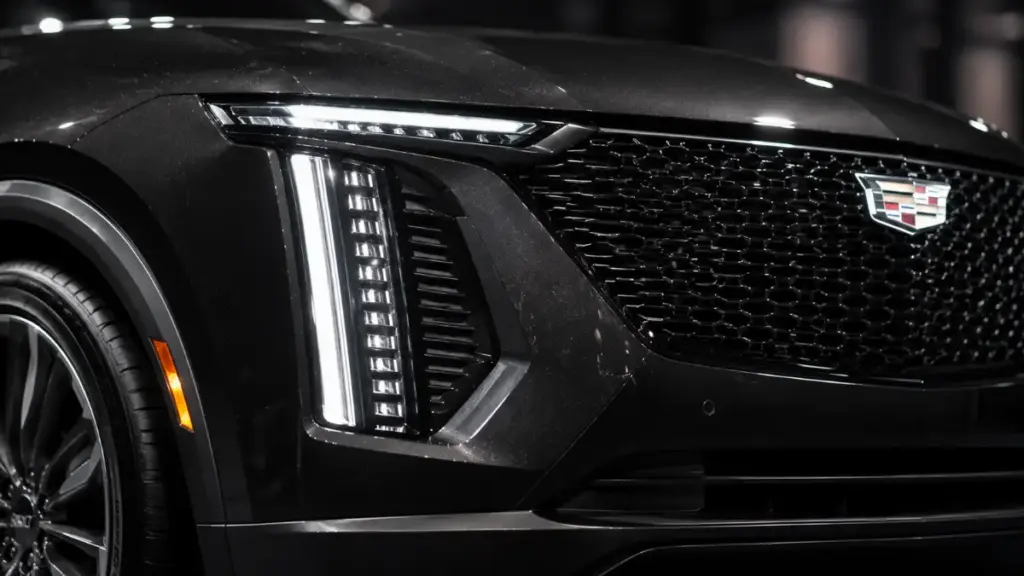
- Discontinuation Drivers: Cadillac’s XT4 and three-row XT6 crossovers were caught in a strategic transition zone, eventually becoming discontinued cars. Built on aging GM crossover architectures with uninspiring interior material quality and dated turbocharged four-cylinder powertrains, these models failed to compete convincingly against European rivals. As Cadillac pivots its line toward all-electric models like the Lyriq, Optiq, and Vistiq, these gas-powered crossovers are being phased out.
- Real-World Owner & Field Insights: While buyers appreciate the spacious seating layout of the three-row XT6 and the compact footprint of the XT4, real-world driving feedback highlights disappointing drivetrain performance. The 2.0-liter turbocharged engine struggles under heavy load in the larger XT6, producing an unrefined engine note when accelerating hard. Interior switchgear shares noticeable components with mainstream Chevrolet and GMC models, undercutting the brand’s luxury positioning.
- Used Market Valuation & Depreciation Curve: Depreciation is steep and steady. These crossovers lose significant value as soon as they leave factory warranty coverage, moving down into the budget used car market where they compete directly with fully loaded non-luxury crossovers like used Honda Pilots and Toyota RAV4s.
- Parts & Component Supply Chain Risk: LOW RISK. Despite joining the ranks of discontinued cars, these vehicles carry almost zero mechanical parts risk. They are built on General Motors’ ubiquitous C1 and E2 global platforms, sharing engines, transmissions, brake systems, and HVAC components with millions of Chevrolet Blazers, GMC Acadias, and Buick Enclaves. Replacement parts will remain cheap and readily available at any auto parts shop for decades.
The Used Car Market Dynamics: Opportunities vs. Financial Traps
The influx of discontinued cars in 2027 creates a bifurcated landscape in the secondhand market. Navigating this market requires separating genuine “sleeper values” from vehicles that carry hidden long-term ownership costs.
Secondhand Market Classification: Bargains vs. Financial Traps
| Characteristic | The “Sleeper” Value Opportunity | The “Depreciation Trap” |
| Powertrain Type | Simple ICE / Non-Turbos / Proven Hybrids | First-Gen Battery Electric / Complex PHEV |
| Platform Sharing Ratio | High (Mass production across multiple models) | Low / Proprietary / Model-Specific |
| Electronic Integration | Analog switches, standard OBD-II protocols | Centralized touchscreens, closed-source cloud apps |
| Aftermarket Support | Multiple third-party brake, body, and filter brands | OEM dealer supply only |
| Primary Examples | Nissan Altima, Lexus LS, Audi A4, Toyota GR Supra | Audi Q8 e-tron, Dodge Hornet, Nissan Ariya |
Identifying the “Sleeper” Value
A model among discontinued cars becomes a “sleeper value” when market panic or brand restructuring depresses its price far below its actual mechanical utility. The ideal secondhand target features:
More Read

- Proven Mechanical Foundations: Vehicles powered by naturally aspirated engines or common turbocharged units (e.g., Toyota’s 2.5L 4-cylinder, BMW’s B58 inline-6, or GM’s 3.6L V6) paired with traditional torque-converter automatic transmissions.
- Mass Platform Sharing: Cars that share key chassis and mechanical parts with high-volume models guarantee cheap, easy-to-source parts for years to come.
- High Historical Sales Volume: A model that sold hundreds of thousands of units during its production run ensures that automotive salvage yards and aftermarket manufacturers maintain steady replacement parts inventory.
Spotting the “Depreciation Trap”
Conversely, many discontinued cars are priced low on the used market for good reason. These vehicles often carry long-term ownership risks:
- First-Generation EV Architectures: Orphaned electric vehicles built on temporary or low-volume platforms face rapid obsolescence, making them some of the most precarious discontinued cars on the secondhand market. Once factory software support drops, a failed high-voltage battery cell or burned-out control board can turn a $20,000 used car into a non-functional shell overnight.
- Proprietary Software Systems: Modern vehicles that route basic functions (like heating, defrosting, and mirror adjustments) through a central touchscreen with closed-source software carry long-term electronic liability.
- Low-Volume Orphaned Platforms: Niche European models or short-lived joint ventures often lack third-party aftermarket support. Replacing a simple damaged headlight or side mirror can require sourcing rare OEM parts directly from overseas suppliers.
Deconstructing the Mechanical Risks: What Happens When Parts Dry Up?
Read more: 10 Best Hybrid Sedans Under $35K: The Definitive Commuter Review (2026)
When an automaker introduces new discontinued cars, consumers often hear the comforting myth that “manufacturers are legally required to produce spare parts for 10 years.”
This is a common misunderstanding. In most major markets, there is no federal law requiring automakers to manufacture replacement parts for a fixed decade-long period. Automakers are only obligated to fulfill active factory warranty obligations. Once warranties expire, car companies scale down component production based purely on supply chain economics.
Component Availability Timeline Post-Discontinuation
| Timeline Phase | Component Category | Availability Outlook | Recommended Sourcing Strategy |
| Phase 1 (Years 0–3) | All Components | 100% OEM Availability | Authorized Dealership Network |
| Phase 2 (Years 4–7) | Consumable Mechanical | High Aftermarket Availability | Third-Party Auto Parts Distributors |
| Phase 2 (Years 4–7) | Specialized Electronics | Declining OEM Factory Stock | OEM Dealer Backorder / Refurbished |
| Phase 3 (Years 8–12+) | Body Panels & Lighting | Critical Shortages for Low-Volume Models | Automotive Salvage / Used Yards |
| Phase 3 (Years 8–12+) | Cloud / Software Apps | High Risk of Server Sunsetting | Independent ECU Tuners / Aftermarket Hardware |
Understanding how parts supply chains actually behave after a vehicle is axed reveals where long-term ownership risks lie for discontinued cars:
1. The Mechanical Hardware Reality (Low Danger Zone)
Fundamental mechanical components—such as brake rotors, brake pads, tie rods, shock absorbers, wheel bearings, and water pumps—are rarely produced by the automaker itself. They are manufactured by Tier-1 suppliers like Bosch, Continental, Brembo, ZF, and Denso, which explains why sourcing wearable parts for discontinued cars remains relatively straightforward long after production ceases.
Because these suppliers sell identical components across multiple vehicle lines and distribute directly to aftermarket retailers, you will rarely struggle to find wearable mechanical maintenance parts for discontinued cars.
2. The Body Panel & Lighting Bottleneck (Medium to High Danger Zone)
Unlike standard wearable parts, exterior body panels, front grilles, hood assemblies, and LED headlight clusters are protected by design patents and require specialized, expensive stamping dies to produce—making cosmetic repairs and bodywork for discontinued cars notoriously difficult and costly to handle.
When low-volume discontinued cars (like a Volvo V90 wagon or Dodge Hornet) enter the pre-owned market, third-party aftermarket body part manufacturers rarely buy or build the expensive tooling needed to produce replacement panels. If you incur minor front-end bumper or lighting damage 7 years down the road, insurance companies may write the vehicle off as a total loss simply because a single replacement headlight or bumper cover is unavailable anywhere in the global supply chain.
3. The Electronic & Software Horizon (The Ultimate Risk Factor)
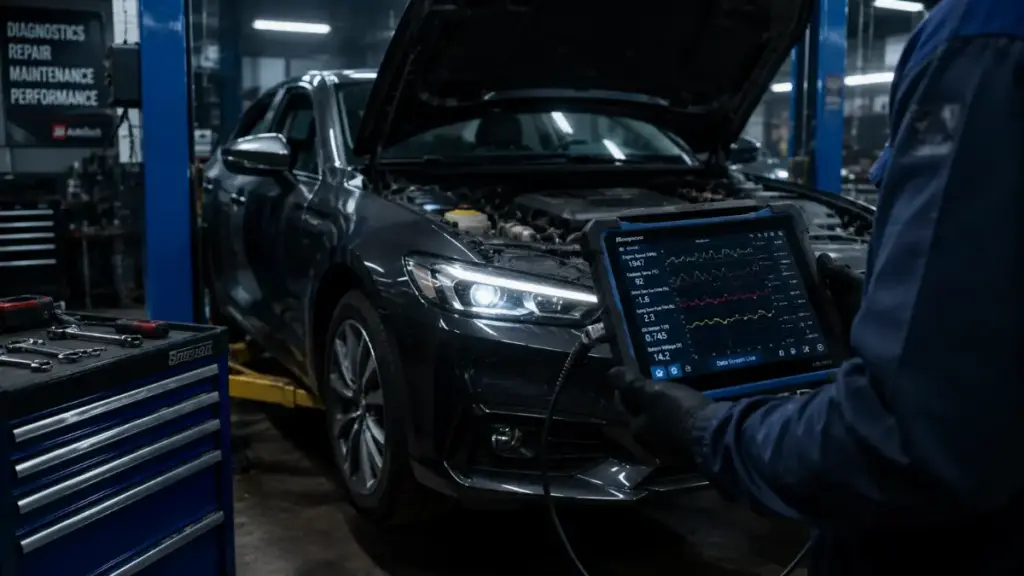
The most critical vulnerability in modern discontinued cars is the electronic architecture. Contemporary cars run on dozens of interconnected Electronic Control Units (ECUs) tied together via CAN bus networks, communicating with remote factory servers for navigation, safety features, and battery management.
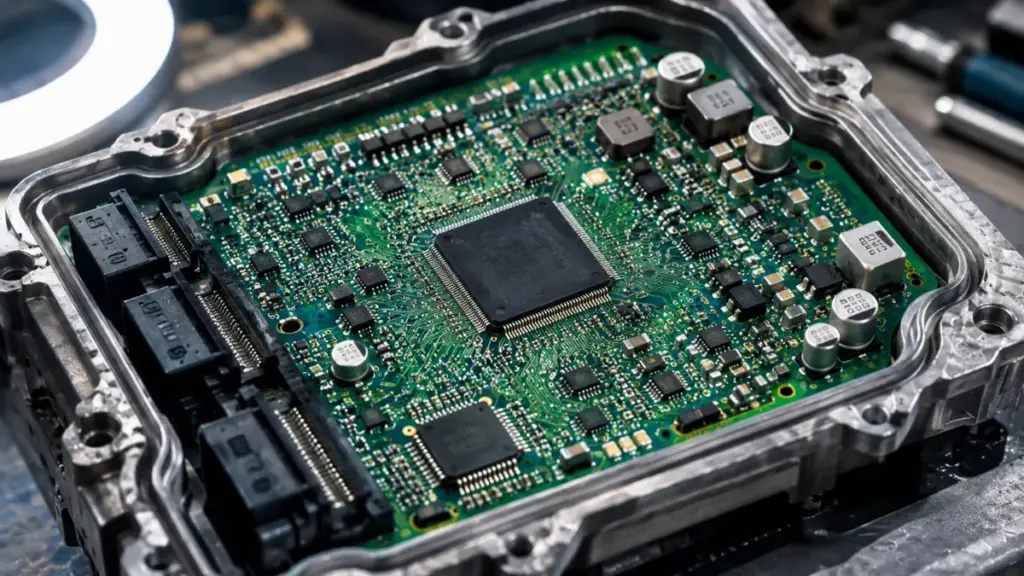
Vehicle Electronic Control Network Architecture
| ECU Network Domain | Connected Components | Long-Term Sunsetting Risk Level |
| Powertrain Domain | Engine Control Module (ECM), Transmission ECU, Battery Management System | Moderate (Hardware durable; coding locked) |
| Body Control Domain | Lighting control, power windows, door locks, climate HVAC | Low to Moderate (Standard hardwired relays) |
| Infotainment & Telematics | Central touchscreen, navigation, cellular TCU, remote phone app | Critical Risk (High risk of server shutdown) |
When an automaker suns a technology-heavy model or goes through corporate restructuring:
- Remote App & Server Shutdowns: Telematics control units (TCUs) lose connectivity as cellular networks upgrade or automakers shut down legacy cloud servers, bricking mobile remote-start functions and live navigation updates on older discontinued cars.
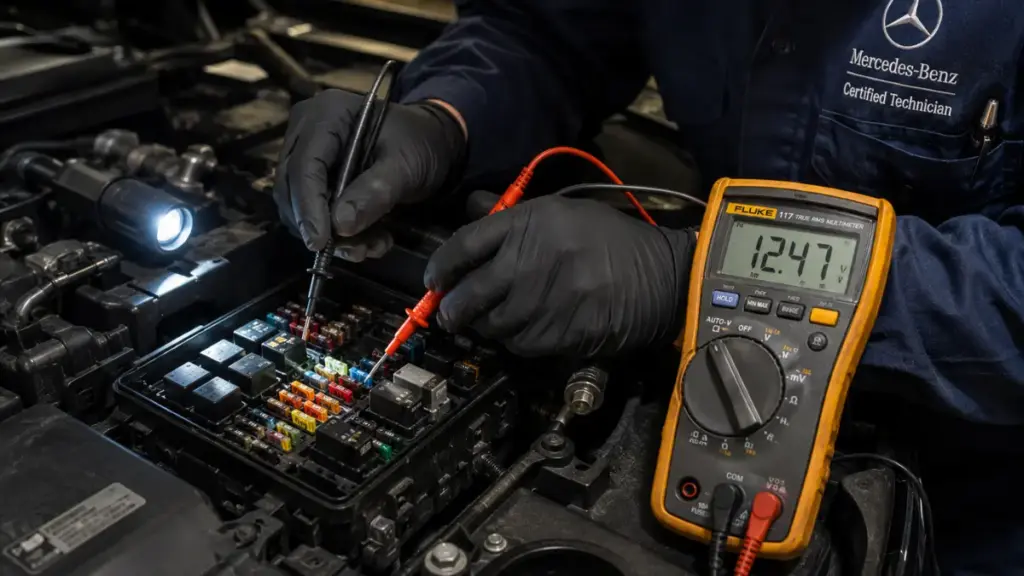
- Component-Locking & Coding Barriers: Modern replacement parts—such as a steering rack, anti-lock brake pump, or body control module—often require online dealer software coding to pair the replacement part’s serial number to the car’s VIN. If an automaker updates its dealer diagnostic software and removes support for legacy models, local mechanics cannot code new electronic parts to discontinued cars, leaving them unusable.
Complete Pre-Purchase Checklist for Buying Discontinued Cars
If you are considering buying discontinued cars on the used market to take advantage of low resale prices, use this three-step evaluation framework to avoid buying a financial trap:
Pre-Purchase Decision Matrix for Discontinued Cars
| Evaluation Step | Assessment Criteria | Passing Indicator (Green Light) | Failing Indicator (Red Light) |
| Step 1: Platform Sharing Ratio | Mechanical overlap with active volume models | Shared engine/chassis with 100,000+ units | Proprietary, model-specific engine or EV pack |
| Step 2: Control Interfaces | Reliance on proprietary central touchscreens | Physical buttons for HVAC, lights, and driving modes | Touchscreen-only access with cloud dependency |
| Step 3: Exterior Parts Supply | Availability of third-party replacement panels | CAPA-certified aftermarket body panels stocked | Dealer-only supply with zero aftermarket stock |
Step 1: Calculate the Platform Sharing Ratio (PSR)
- Research what other active vehicles share the candidate car’s underlying chassis code and powertrain.
- Green Light Example: Buying an Audi A4 (B9) is low-risk because its 2.0L EA888 engine and MLB platform are shared across millions of Volkswagen Group vehicles worldwide.
- Red Light Example: Buying an early Audi Q8 e-tron carries elevated risk because its high-voltage battery architecture and cooling modules are model-specific and produced in limited volumes.
Step 2: Audit Software & Physical Control Dependability
- Sit inside the vehicle and test basic interior functions. Are HVAC controls, defrosters, fan speeds, and hazard lights operated via physical, hardwired buttons, or are they buried inside a software touchscreen menu?
- Vehicles with mechanical switchgear retain functionality indefinitely. Discontinued cars that rely heavily on complex, centralized touchscreens run a higher risk of usability failures as screen digitizers age and replacement displays become unavailable.
Step 3: Check Body Panel & Lighting Inventory
- Before signing a purchase agreement for any discontinued cars, search online auto parts distributors for simple body items: a front headlight assembly, a windshield, and a front bumper cover.
- If you find multiple aftermarket options (such as CAPA-certified replacement body parts) available at reasonable prices, the car is safe to buy. If the only available parts are original OEM components costing thousands of dollars with multi-month delivery lead times, budget accordingly for higher insurance rates and potential repair delays.
The Strategic Takeaway
The great EV realignment and the elimination of traditional passenger car lineups mark the end of an era in modern manufacturing. As automakers pull back from aggressive electrification timelines and consolidate their lineups around high-margin SUVs and hybrids, dozens of models are becoming discontinued cars.
For the informed car buyer, this structural shift presents a unique window of opportunity. By seeing past industry hype, avoiding overcomplicated first-generation EV experiments, and picking mechanically sound discontinued cars with high production volumes, you can land an exceptional vehicle at a deep discount on the pre-owned market. Focus on the core value principles: mechanical simplicity, shared platforms, high production volumes, and low software dependence. That is how you secure luxury, performance, and long-term reliability while the rest of the market pays a premium for the latest crossover trend.