

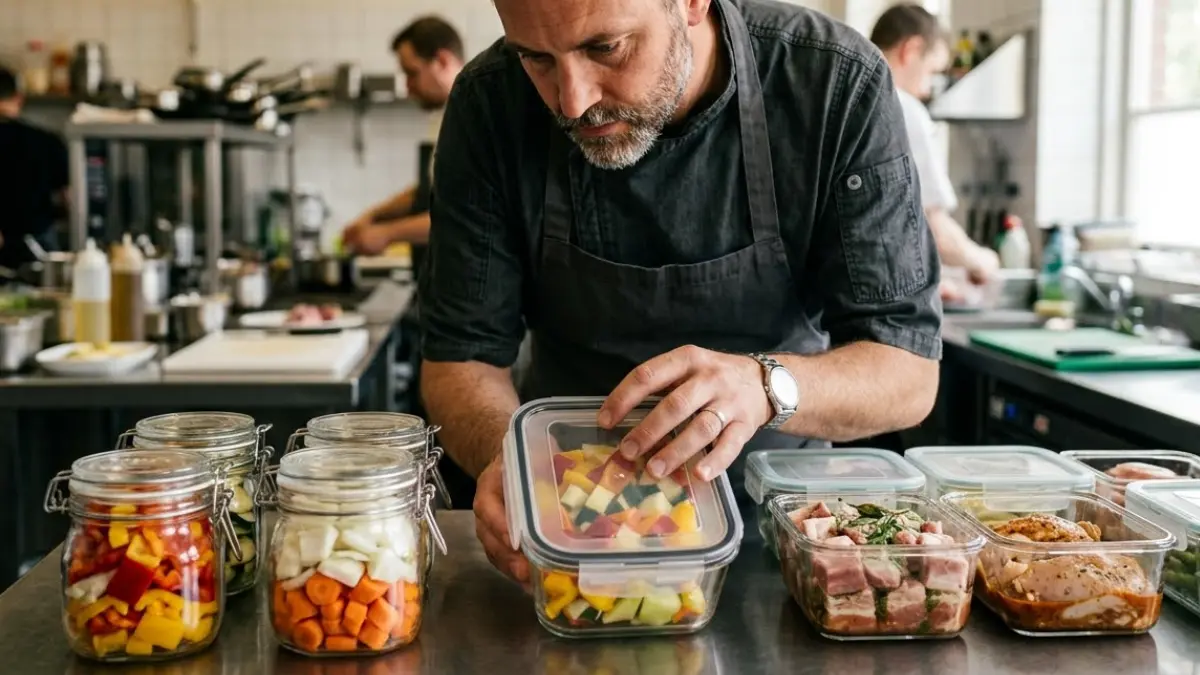

Freezing food properly is the ultimate solution for busy individuals who want to prep meals in advance without sacrificing the delicious taste of a fresh-cooked dish. However, many people struggle with reheated meals turning soggy, watery, or losing their natural texture due to improper freezing techniques. This guide provides a step-by-step process for preserving frozen meals, ensuring your prepped dishes stay flavorful, textured, and nutrient-rich every time.
- The Science Behind Freezing Food and Why Meals Lose Their Original Flavor
- Essential Pre-Freezing Techniques for Maximum Flavor Retention
- Category-Specific Freezing Protocols for Popular Prepared Dishes
- Safe Defrosting, Reheating, and Food Safety Standards
- Frequently Asked Questions About Freezing Food
- Mastering Freezing Food for Convenient, High-Quality Meals
Freezing food successfully requires a precise balance of temperature control, moisture management, and strategic ingredient selection to prevent cellular damage during long-term cold storage. Mastering freezing food ensures that your batch-cooked soups, stews, casseroles, and protein preps retain their original culinary integrity, vibrant textures, and aromatic profiles when reheated weeks or months later.
The Science Behind Freezing Food and Why Meals Lose Their Original Flavor
Understanding the underlying thermodynamics and cellular mechanics of freezing food is the first step toward preserving restaurant-quality taste in your home freezer. When moisture inside ingredients cools down past the freezing point, water molecules assemble into rigid crystalline structures. In standard home units, slow cooling allows expansive ice crystals to form, acting like microscopic needles that puncture delicate cell walls within meats, vegetables, and complex starch molecules.
Why Frozen Meals Turn Watery and Lose Structural Integrity
The Mechanism of Ice Crystal Formation and Cell Wall Rupture
The primary cause of mushy reheated dishes lies in the rate of ice crystallization during freezing food. When moisture freezes gradually, large ice crystals grow uncontrollably and tear through plant and animal cell membranes. Upon thawing, these ruptured cells release trapped cellular fluids—a phenomenon known as “purge” or drip loss. This massive moisture loss leaves proteins dry and fibrous while rendering vegetables limp, bland, and structurally compromised.
Sublimation Hazards and the Prevention of Freezer Burn
Sublimation poses another critical threat when freezing food without airtight protection. Sublimation occurs when solid ice transitions directly into water vapor, bypassing the liquid phase due to dry freezer air currents. As moisture escapes from the outer layers of uncovered food, oxygen penetrates the exposed porous spaces. This process creates freezer burn—a chemical alteration characterized by tough, discolored patches, rancid fat oxidation, and a stale, metallic flavor profile.
Ingredients That Suffer Texture Degradation When Frozen
Adverse Thermal Effects on Cooked Pasta and Boiled Potatoes
Certain ingredients undergo severe physical breakdown during freezing food due to their unique molecular compositions. Cooked pasta and boiled potatoes are notoriously difficult to store at sub-zero temperatures. Starch granules absorb excessive liquid during boiling; when frozen, this excess moisture expands, completely destroying the starch matrix. When thawed, cooked pasta converts into paste-like mush, while potatoes turn mealy, floury, and watery.
Read more: Is Eating Canned Vegetables Every Day Bad? 7 Warning Signs To Stop Immediately
Emulsion Breakdown in Dairy-Based Sauces and Water-Rich Produce
Dairy emulsions and high-moisture vegetables fare equally poorly when exposed to standard freezing food cycles. Heavy cream, sour cream, and mayonnaise-based sauces break apart because water and fat molecules separate as ice forms, leaving a curded, greasy liquid upon reheating. Similarly, produce with high water content like cucumbers, zucchini, and raw tomatoes collapse into unrecognizable liquid pools as ice completely destroys their structural cell walls.
Essential Pre-Freezing Techniques for Maximum Flavor Retention
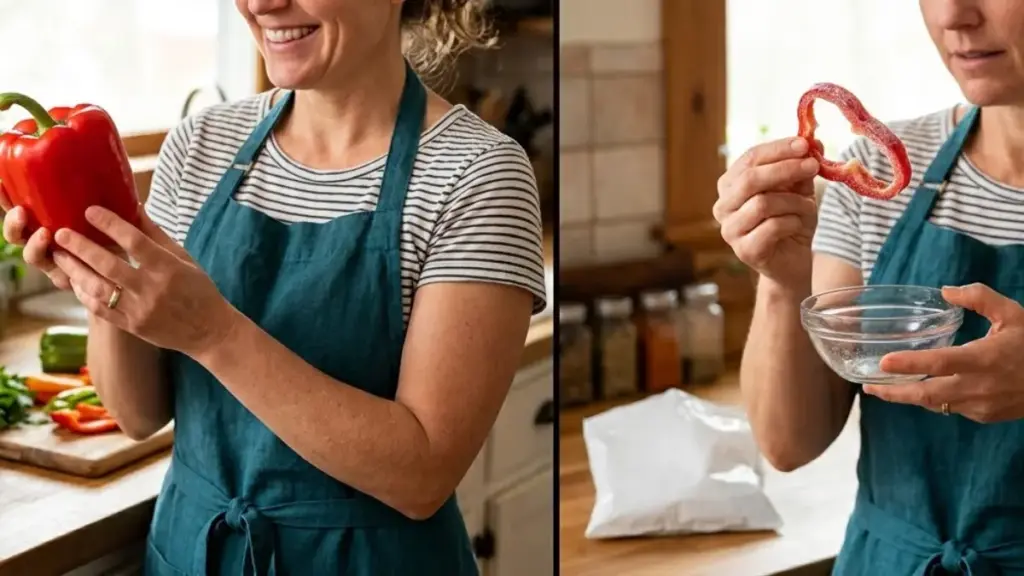
Achieving exceptional culinary results when freezing food depends heavily on how thoroughly you prep ingredients before they ever touch the freezer shelf. Skipping preliminary thermal treatments or rushing the cooling process guarantees degraded textures and muted flavors regardless of how advanced your appliance might be.
Thermal Handling and Rapid Cooling Protocols
The Role of Blanching in Deactivating Degradative Enzymes
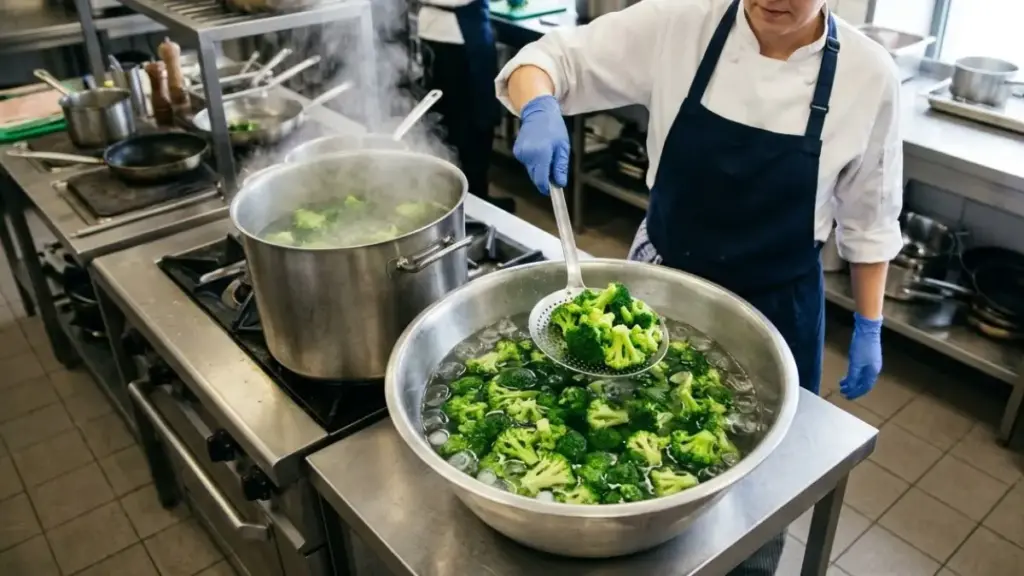
Blanching is an indispensable preliminary step when freezing food containing fresh vegetables. Raw plants naturally contain active enzymes like catalase and peroxidase, which continue to break down nutrients, alter colors, and generate off-flavors even at sub-zero temperatures. Brief exposure to boiling water or steam neutralizes these enzymes, locking in vibrant chlorophyll, natural sweetness, and firm texture before deep freezing.
The Ice-Bath Rapid Cooling Rule to Stop Internal Steaming
Placing warm or hot cooked dishes directly into sub-zero storage severely compromises the quality of freezing food. Trapped heat releases steam inside the container, which instantly condenses into heavy frost on the lid and surface of the dish. This condensed steam converts into massive ice crystals that ruin the texture. Always rapidly cool cooked dishes using shallow metal pans set over ice baths until they reach refrigerator temperatures before packing.
Advanced Airtight Packaging Strategies
Multi-Layer Barrier Protection Using Parchment, Film, and Foil
Mastering packaging insulation is critical to long-term success when freezing food. For individual portions like breakfast burritos, meat patties, or savory casseroles, employ a rigid three-layer wrapping method. Wrap each portion tightly in unbleached parchment paper first, follow with a seamless layer of commercial-grade plastic cling wrap, and finish with a heavy-duty aluminum foil wrap to form an impenetrable barrier against frost and odors.
Freezing food is not merely about storage; it is an exact culinary science that bridges busy lifestyles with wholesome, high-quality home cooking.
Sarah Jenkins
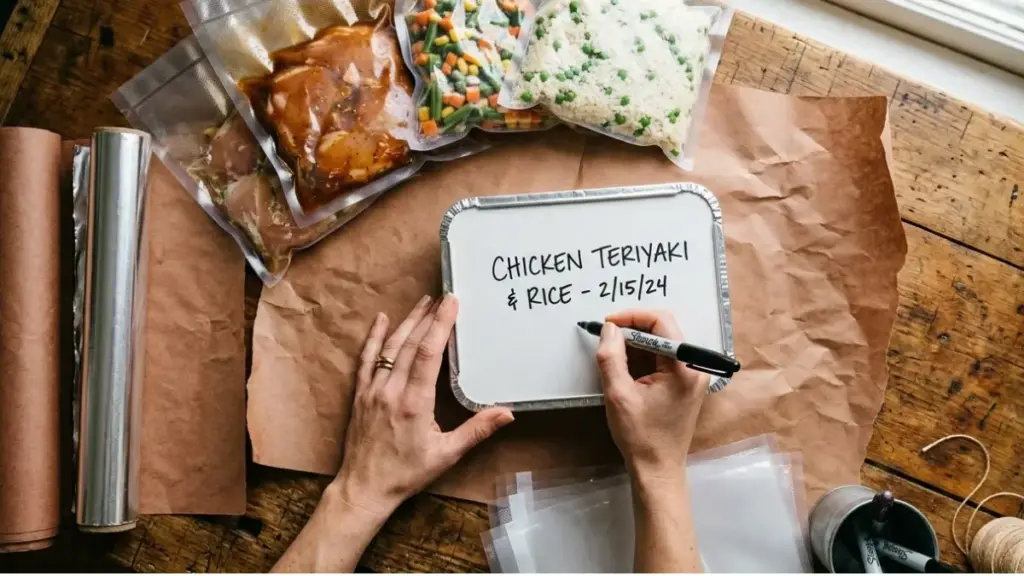
Utilizing Vacuum-Sealing Technology to Eliminate Oxygen
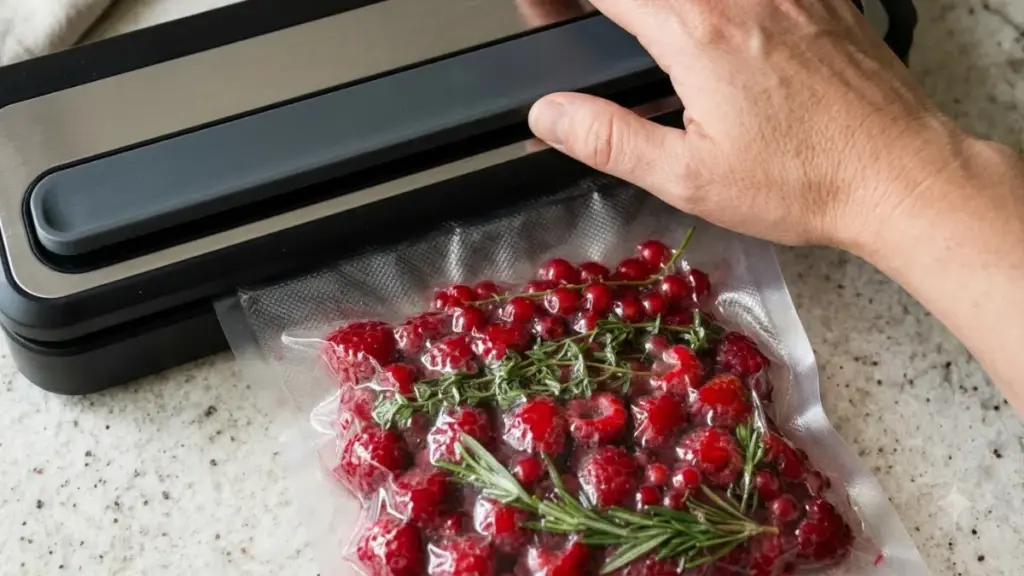
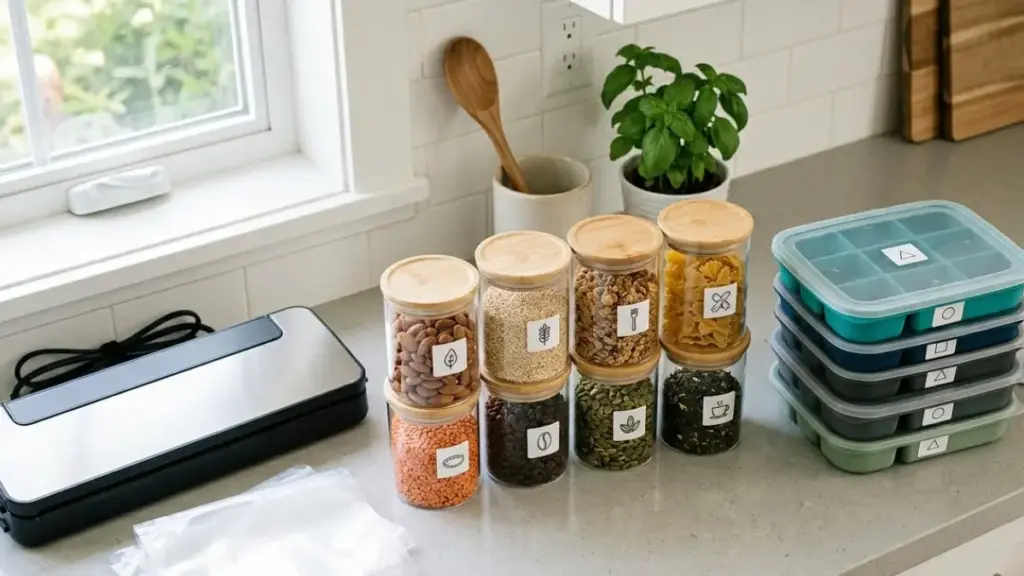
Investing in a commercial vacuum sealer elevates your home freezing food setup to professional standards. By removing up to 99% of ambient air from specialized textured bags, vacuum sealing eliminates internal atmospheric oxygen. This absence of air prevents oxidative rancidity in animal fats, completely eliminates sublimation, and extends the high-quality storage lifespan of proteins and stews up to five times longer than standard containers.
Category-Specific Freezing Protocols for Popular Prepared Dishes
Different culinary categories respond uniquely to extreme cold storage. Applying a single universal approach to freezing food yields inconsistent results, which is why tailored protocols must be implemented based on dish composition, fat content, and sauce viscosity.
More Read
Liquids, Soups, Curries, and Base Sauces
Deconstructing Soups into Frozen Bases and Fresh Additions
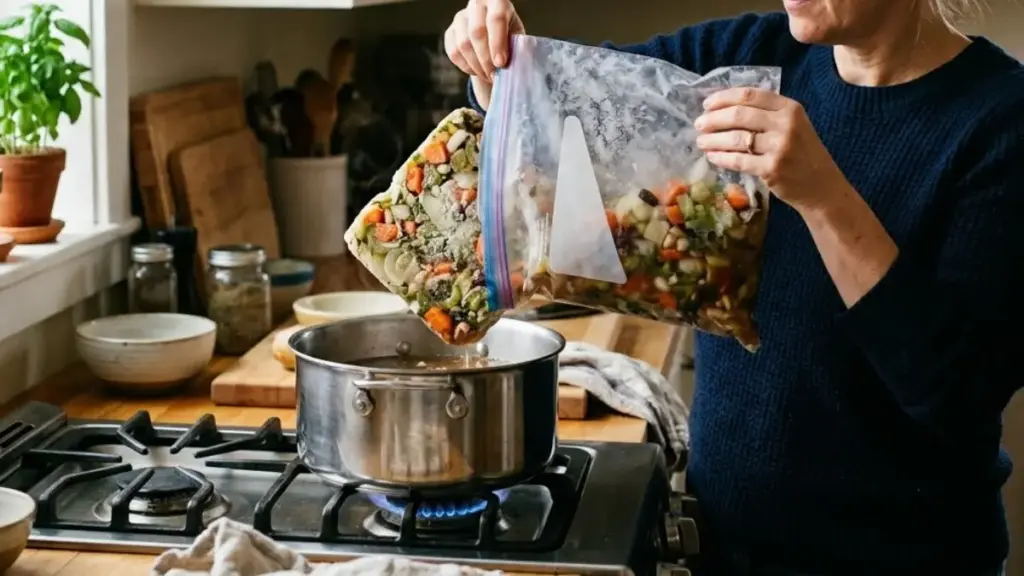
When freezing food like hearty soups, curries, and ragùs, practice ingredient deconstruction. Prepare rich, concentrated broth bases filled with braised proteins, aromatics, and root crops, but intentionally exclude pasta, delicate greens, and potatoes. Freeze this flavor base in bulk, then cook fresh noodles or drop diced fresh potatoes directly into the simmering base when reheating for a freshly cooked texture.
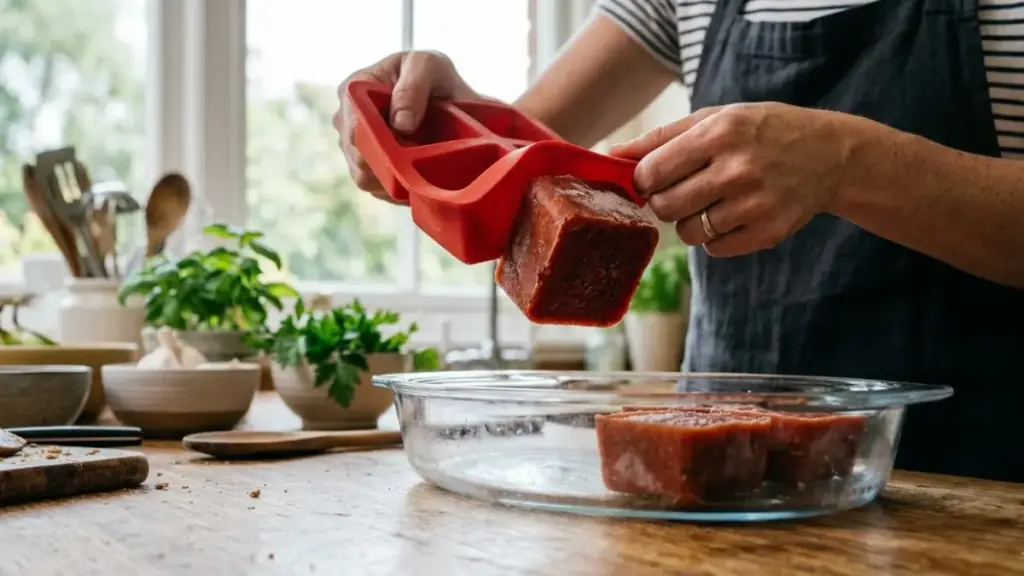
Portioning Liquids Using Modular Silicone Freezer Molds
Modular silicone freezing molds have revolutionized liquid portioning in modern freezing food workflows. Instead of freezing massive containers of chili or curry that take days to thaw, pour room-temperature liquids into pre-measured one-cup or two-cup silicone blocks. Once solid, pop these uniform frozen cubes out of the molds and vacuum-seal them together in large master bags for compact, space-saving storage.
Wraps, Baked Goods, Casseroles, and Proteins
Moisture Barrier Assembly for Breakfast Burritos and Sandwiches
Assembling moisture-proof wraps represents a unique challenge in freezing food. When building breakfast burritos, cook all internal fillings—scrambled eggs, roasted potatoes, and sausage—and let them chill completely in the refrigerator. Assembly with warm ingredients traps humidity inside the tortilla, resulting in a soggy, gummy wrapper upon reheating. Wrap cold fillings snugly and flash-freeze individually on a baking sheet before final storage.
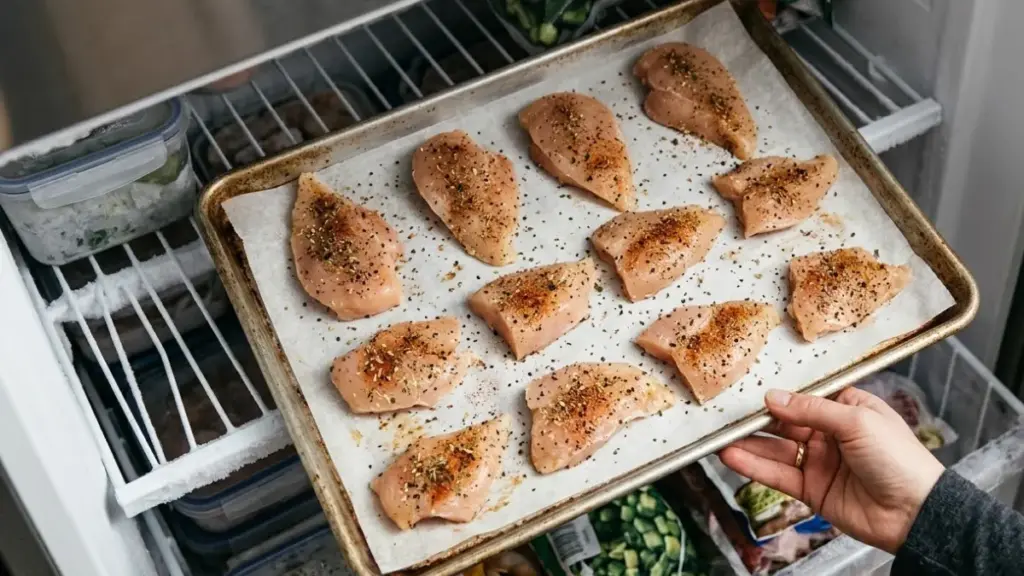
The Flash-Freezing Method for Seasoned Raw and Cooked Meats
Flash-freezing is an essential technique for raw or cooked proteins when freezing food. Arrange seasoned meatballs, marinated cutlets, or burger patties on a parchment-lined tray so they do not touch. Place the tray unsealed in the freezer for two hours until the outer surface freezes solid. Transfer these hardened individual pieces into master freezer bags, allowing you to remove single portions without thawing the entire batch.
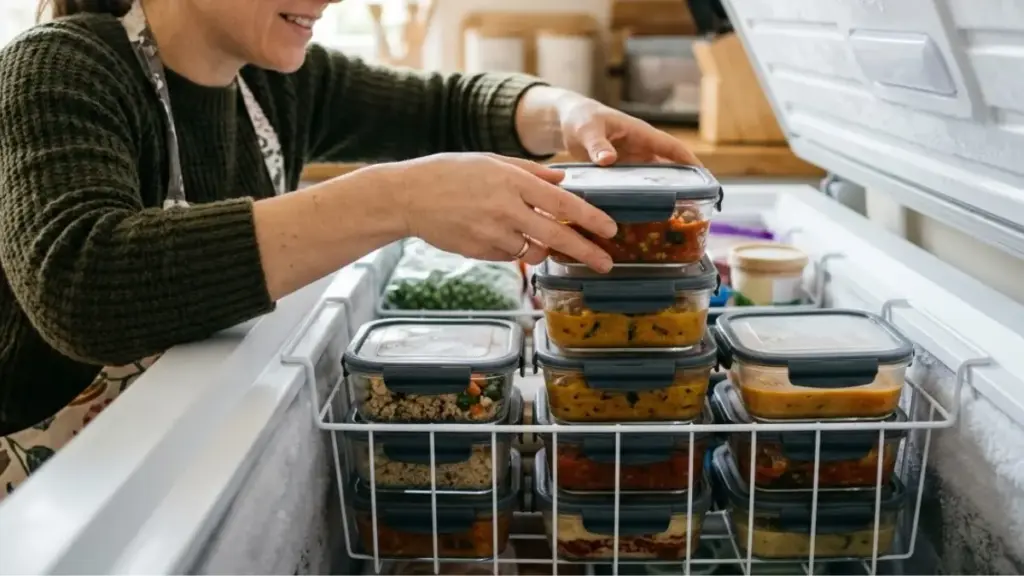
Safe Defrosting, Reheating, and Food Safety Standards
Properly executed thawing and reheating methods are just as vital as the initial cooling steps when freezing food. Incorrect thermal recovery can cause bacterial proliferation, destroy delicate fat emulsions, or overcook tender proteins, undoing all prior preservation efforts.
Temperature Maintenance and Cold-Chain Integrity
Calibrating Sub-Zero Storage to -18°C (-0°F) or Below
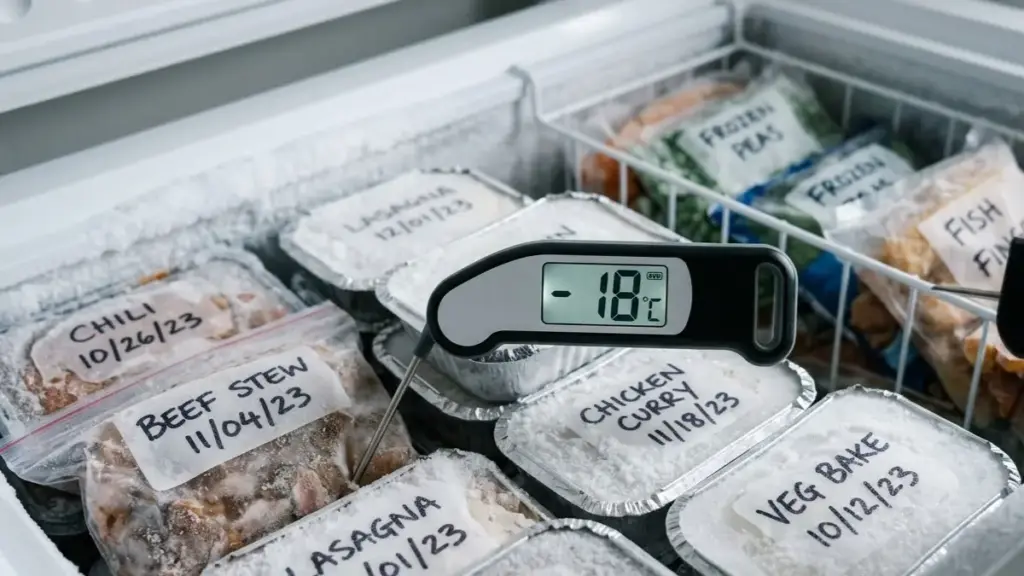
Maintaining strict environmental parameters is non-negotiable when freezing food for long-term consumption. Chest freezers and upright units must maintain an internal temperature of -18°C (0°F) or lower at all times. Fluctuations caused by frequent door openings or overcrowding elevate temperatures, causing micro-thawing cycles that produce large ice crystals and accelerate food spoilage.
Implementing the FIFO Inventory Rotation System
Organizing your inventory according to the First-In, First-Out (FIFO) principle ensures optimal flavor quality when freezing food. Always use waterproof labels detailing the recipe name, exact date of freezing, and reheating instructions. Position newly frozen packages behind older stock so that meals are consumed within their prime shelf-life window—typically 3 months for cooked dishes and 6 months for raw proteins.
Thermal Recovery and Texture Restoration Techniques
Slow Controlled Thawing in Refrigerator Environments
Slow, controlled thawing inside a refrigerator set at 2°C to 4°C (36°F to 39°F) is the safest method for freezing food recovery. This gentle transition allows muscle fibers in meats to slowly reabsorb liquid released during ice thawing, minimizing drip loss and maintaining juiciness. Allow 12 to 24 hours for small items and up to 48 hours for large casseroles before final cooking.
Read more: Weekend grocery shopping: 8 food storage staples for the whole week to save time and money!
Reheating Protocols via Air Fryers, Ovens, and Stovetops
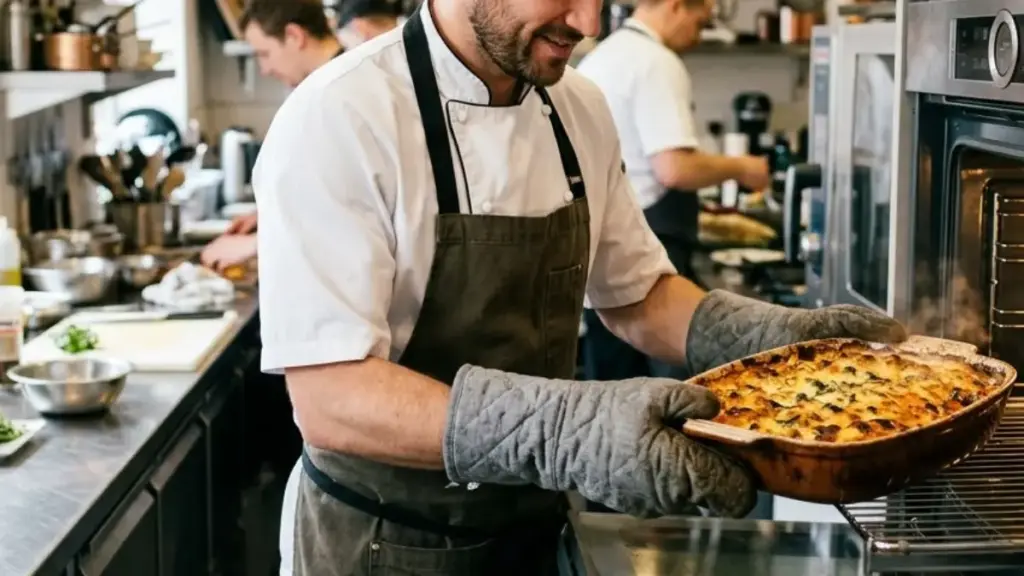
To restore original crispy, flaky, or seared textures when reheating, bypass the microwave whenever possible. Microwaves agitate water molecules rapidly, causing steam to build up inside wrappers and leaving tortillas, breading, and baked goods soft and soggy. Reheat wraps, breaded cutlets, and casseroles in an air fryer set to 190°C (375°F) or a traditional convection oven to crisp the exterior while evenly warming the interior.
Frequently Asked Questions About Freezing Food
How long can you store fully cooked meals while preserving optimal flavor?
Most fully cooked meals stored at a constant -18°C (0°F) maintain peak flavor and texture for 2 to 3 months. While freezing food keeps items microbiologically safe indefinitely, subtle oxidation and moisture loss gradually degrade taste and aroma past the 90-day mark.
Can you safely refreeze food that has already been thawed once?
Refreezing food is safe only if it was thawed entirely inside a refrigerator operating at or below 4°C (40°F). However, repeating the freezing food cycle causes additional cellular rupture and drip loss, which noticeably degrades texture and moisture content.
Why do dairy-based sauces separate when frozen, and can they be fixed?
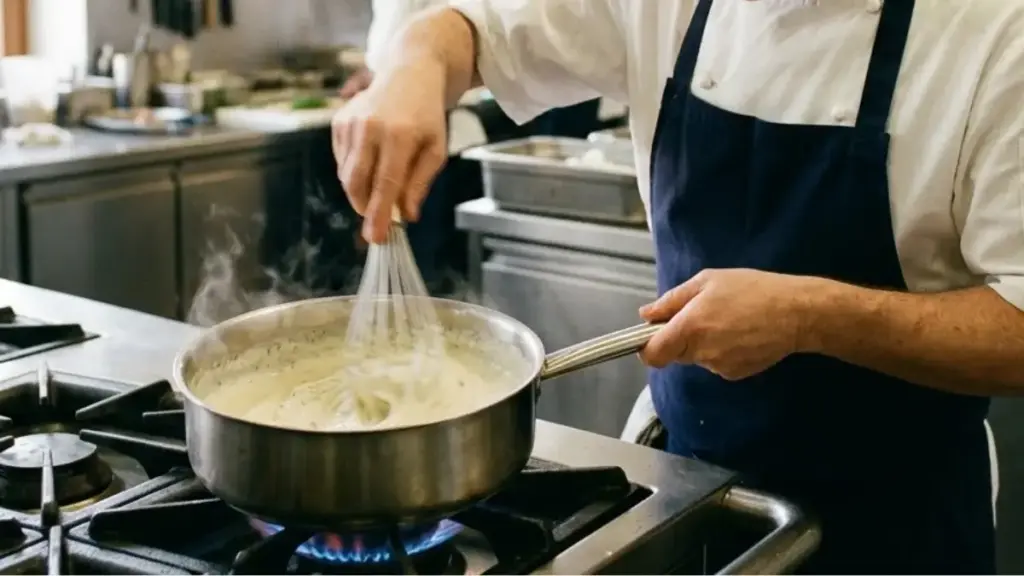
Dairy sauces separate during freezing food because ice crystal growth disrupts the emulsion of water, protein, and milk fats. You can often restore separated sauces after reheating by whisking in a splash of warm heavy cream, stock, or milk over low heat until re-emulsified.
Mastering Freezing Food for Convenient, High-Quality Meals
Mastering the art and science of freezing food transforms your meal prep routine, saving valuable time and money while preserving restaurant-quality flavor in your kitchen. By understanding how sub-zero temperatures affect cellular structures, implementing enzyme-deactivating blanching routines, eliminating air exposure with multi-layer wrapping, and choosing texture-restoring reheating equipment, you can eliminate watery textures, freezer burn, and bland flavors.
Integrating these technical preservation strategies into your weekly kitchen workflow ensures that every prepped meal pulled from your freezer tastes as vibrant, tender, and delicious as the day it was cooked. Start refining your prep methods today to build a diverse stock of frozen meals that deliver fresh-cooked quality on demand.
PLEASE LEAVE A COMMENT TO SHARE YOUR FAVORITE THOUGHTS OR FOLLOW OUR BLOG FOR THE LATEST UPDATES.