

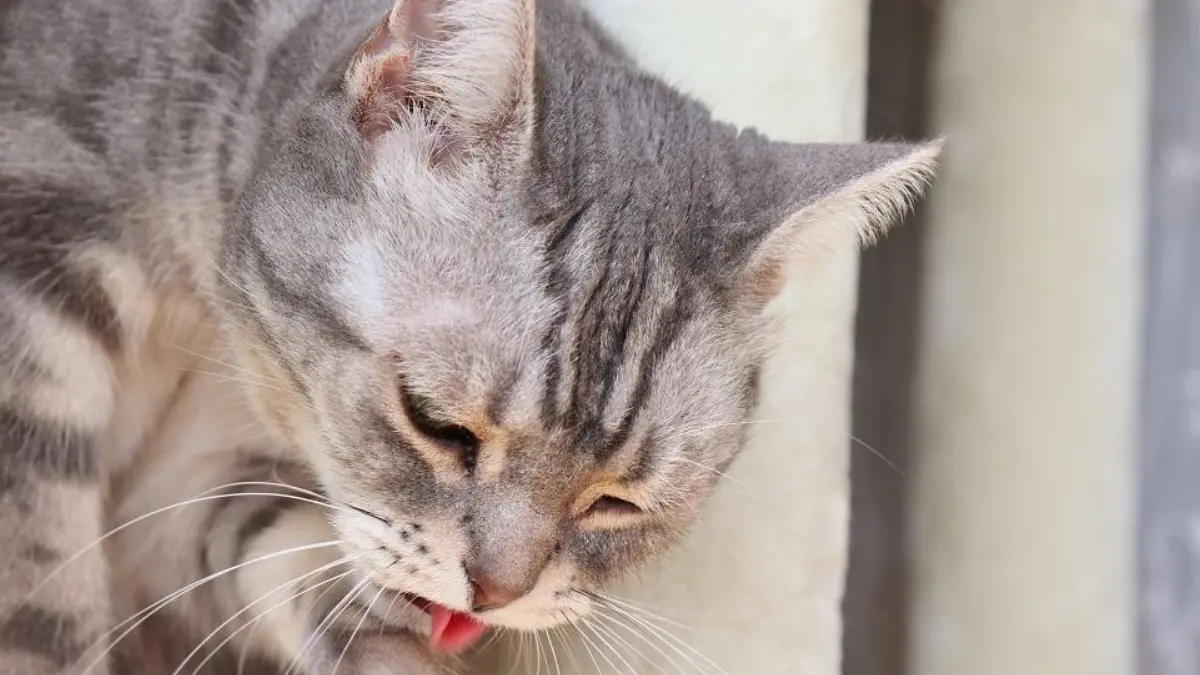

Welcoming a young feline into your home brings immense joy, but it also carries massive responsibility. Because of their tiny body mass and developing immune systems, young felines are exceptionally vulnerable to dietary hazards. Many pet parents assume that foodborne illness only occurs when a cat eats something outdoors. However, a major hidden threat lives directly on modern e-commerce platforms: counterfeit, improperly stored, or gray-market Kitten Food.
- Recognizing the Acute Signs of Food Poisoning in Kittens
- Navigating the Online Marketplace: Safe Sourcing of Premium Kitten Food
- Step-by-Step Guide: Safely Transitioning a Feline to New Kitten Food
- Easy-to-Digest Homemade Meals for Vulnerable Kittens
- When to Rush to the Vet: Severe Signs of Food Poisoning in Kittens
- Frequently Asked Questions
- Final Thoughts
Unscrupulous online third-party sellers frequently dress up hazardous, toxic inventory with high-resolution stock photos and falsified reviews. Feeding your pet compromised nutrition can induce severe gastrointestinal distress within hours.
This comprehensive guide will teach you how to decode the subtle signs of food poisoning in kittens, identify fraudulent online product listings, and safely manage your pet’s recovery.
Read More: 5 Dangerous Signs of Food Poisoning in Kittens to Know.
Recognizing the Acute Signs of Food Poisoning in Kittens
A dog’s or cat’s digestive tract is incredibly complex, but small kittens are by far the most sensitive to sudden dietary changes, industrial adulterants, and bacterial toxins. When a young feline ingests counterfeit kibble, expired ingredients, or poorly stored food, their body launches an immediate defense mechanism. Identifying these signs of food poisoning in kittens early can quite literally save your pet’s life.
1. Loose Stool and Gastrointestinal Shifts
If your feline passes multiple bouts of soft, watery, or mucus-laden stool shortly after eating, their lower intestinal tract is actively fighting a pathogen. When a young animal ingests contaminated Kitten Food, their body tries to eliminate the toxic material as fast as possible.
- What to Monitor: Do not look only at the consistency. Pay close attention to sudden changes in stool color (such as dark, tarry stools or green tints) and highly pungent, sour odors.
- The Clinical Risk: Because of their tiny body size, regular diarrhea can cause severe dehydration in a matter of hours, making this one of the most critical signs of food poisoning in kittens. Persistent diarrhea can quickly lead to dehydration in young cats.
2. Loss of Appetite Combined with Anxious Lip Licking
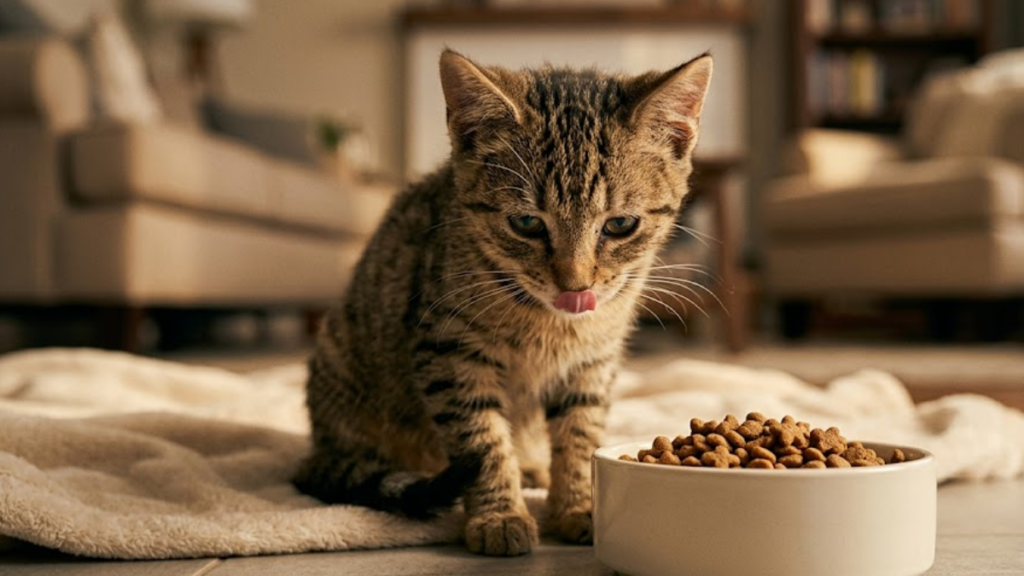
When nausea strikes, a kitten will rarely whine. Instead, they display distinct behavioral shifts that reveal the early stage of food poisoning in kittens. You may observe your pet walking up to their bowl, sniffing the food, and immediately walking away. This is often accompanied by persistent, restless lip licking, hypersalivation, or frequent swallowing.
Veterinary Insight: This constant lip-licking behavior indicates acute nausea. Scammers frequently cut production costs by using cheap, synthetic flavor enhancers and unauthorized chemical preservatives to prevent mold growth. These adulterants severely inflame the stomach lining, creating a painful burning sensation that destroys the animal’s appetite and accelerates the advanced symptoms of food poisoning in kittens.
3. Profound Lethargy and Hidden Weakness
Healthy young felines are energetic, playful, and incredibly curious. If your pet suddenly loses interest in their favorite toys, ignores your voice, and spends the entire day sleeping in a dark corner, their immune system is overwhelmed. This structural behavioral shift deserves immediate attention—especially if the lethargy begins shortly after you open a brand-new bag of food. Sudden lethargy should never be ignored, especially in young kittens.
“In the e-commerce era, a flawless stock photo can mask a toxic formula. Because our young felines cannot speak to tell us they are nauseous, we must learn to read their subtle behavioral shifts before a bargain costs their life.”
Julian Mercer, Consumer Safety Advocate at The Safe Bowl Project
Hidden Household Threats: Identifying Hazardous Kitten Food and Toxins
The root cause of a foodborne illness outbreak in your home isn’t always a brand-new brand. Quite often, the hazard stems from a product you trust completely that has been compromised by poor storage or fraudulent manufacturing.
Dry Kibble Left Open Too Long
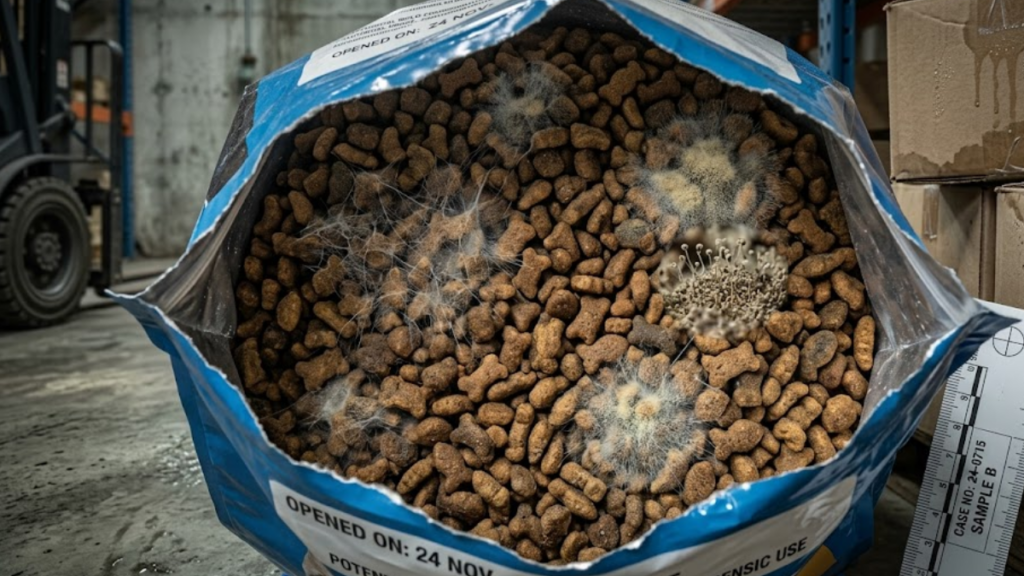
Once a bag of dry kibble is opened, it is exposed to oxygen, fluctuating temperatures, and ambient humidity. If left unsealed, the essential fatty acids inside the food undergo rapid oxidation, turning the fats rancid. This rancidity produces harmful lipid peroxides that irritate the gut lining, creating a high risk for food poisoning in kittens. Furthermore, humid open bags invite Aspergillus mold growth, which secretes dangerous aflatoxins. Aflatoxins build up silently in the liver, causing severe organ damage over time and leading to a fatal case of food poisoning in kittens.
Improperly Preserved Wet Canned Food
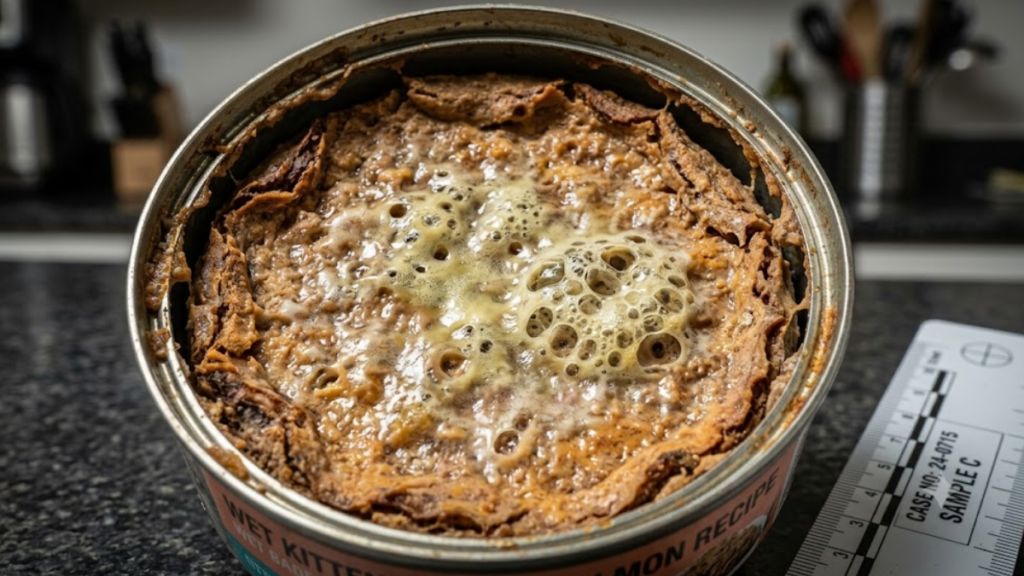
Open canned food should never be stored at room temperature for more than twenty to thirty minutes. Once opened, the moisture-rich environment becomes an ideal breeding ground for bacteria like Salmonella, E. coli, and Clostridium botulinum. These pathogens multiply rapidly, serving as a primary source of bacterial food poisoning in kittens. If you store an open can in the refrigerator, always seal it with a tight plastic lid and discard any unused portions within 48 hours to prevent severe cases of food poisoning in kittens.
Accidental Ingestion of Toxic Human Foods
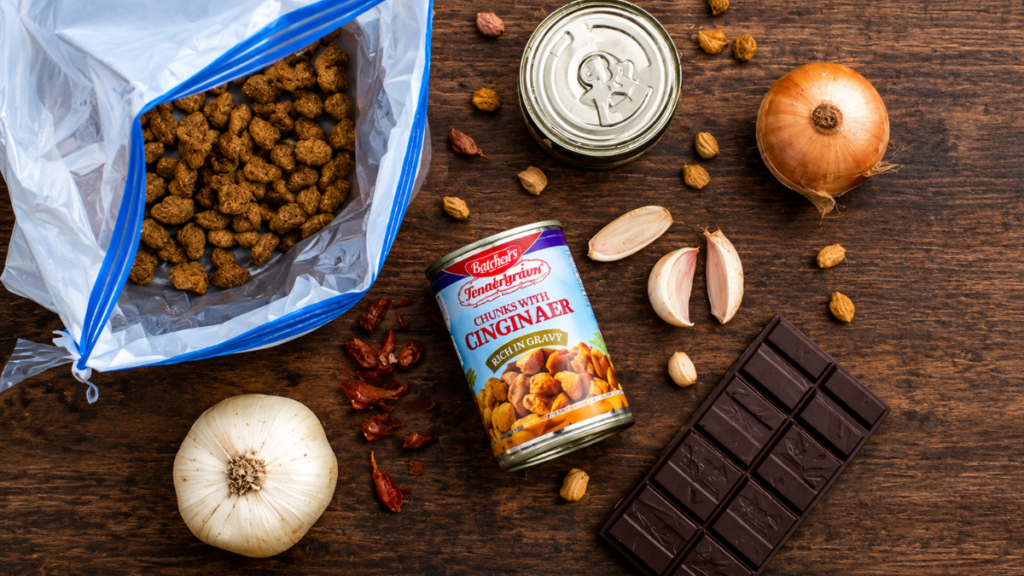
Many household ingredients can mimic the exact signs of food poisoning in kittens. Items like onions, garlic, chocolate, grapes, raisins, and foods containing xylitol are highly toxic to felines. Even small crumbs dropped from the dinner table can cause acute kidney failure or red blood cell destruction in a growing pet.
Navigating the Online Marketplace: Safe Sourcing of Premium Kitten Food
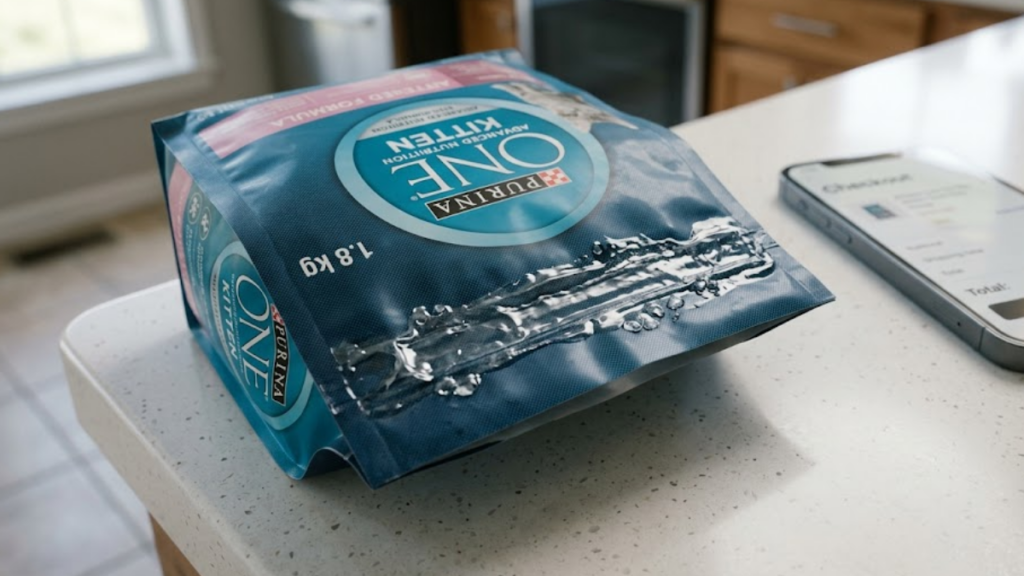
The U.S. Food and Drug Administration (FDA) regularly warns pet owners about the dangers of unverified online third-party storefronts. Fraudulent syndicates buy back empty packaging from recycling centers, refill them with low-grade livestock feed, and reseal them using manual heat tools. Because the external bag appears perfectly authentic, consumers have no reason to suspect a scam until their young feline displays the painful signs of food poisoning in kittens. Buying from unauthorized channels directly exposes your pet to these unregulated fillers that trigger acute food poisoning in kittens.
To keep your pet safe, analyze your online suppliers using this strict marketplace risk matrix:
| Marketplace Evaluation Criteria | Trustworthy Authorized Retailer | High-Risk / Counterfeit Third-Party Seller |
| Pricing Strategies | Follows the manufacturer’s Minimum Advertised Price (MAP). Discounts rarely exceed 5% to 10%. | Offers massive, unrealistic discounts (e.g., 50% off retail) to clear stock rapidly. |
| Review Integrity | Features organic review dates with varied, balanced feedback from “Verified Purchases.” | Flooded with generic, highly repetitive 5-star reviews written by newly created accounts. |
| Supply Chain Verification | Displays “Ships from and sold by Amazon.com” or links directly to the official manufacturer store. | Operates under obscure third-party names; uses “Brand Hijacking” tactics to slip onto existing listings. |
| Traceability Documents | Readily shares batch numbers, expiration dates, and manufacturing invoices upon request. | Gives vague answers or states that invoices cannot be shared due to “liquidation privacy.” |
| Listing Consistency | Maintains permanent product pages with multi-year review histories. | Regularly deletes old product listings and creates new ones to erase bad reviews exposing sick pets. |
Step-by-Step Guide: Safely Transitioning a Feline to New Kitten Food
If your kitten experiences chronic diarrhea or constantly refuses meals, it does not always mean they have acute toxicity or sudden food poisoning in kittens. Their digestive enzymes and gut microbiome simply need time to adapt to different protein sources.
However, distinguishing a normal dietary reaction from actual food poisoning in kittens is vital to ensuring your young feline receives the correct medical attention before severe dehydration sets in.
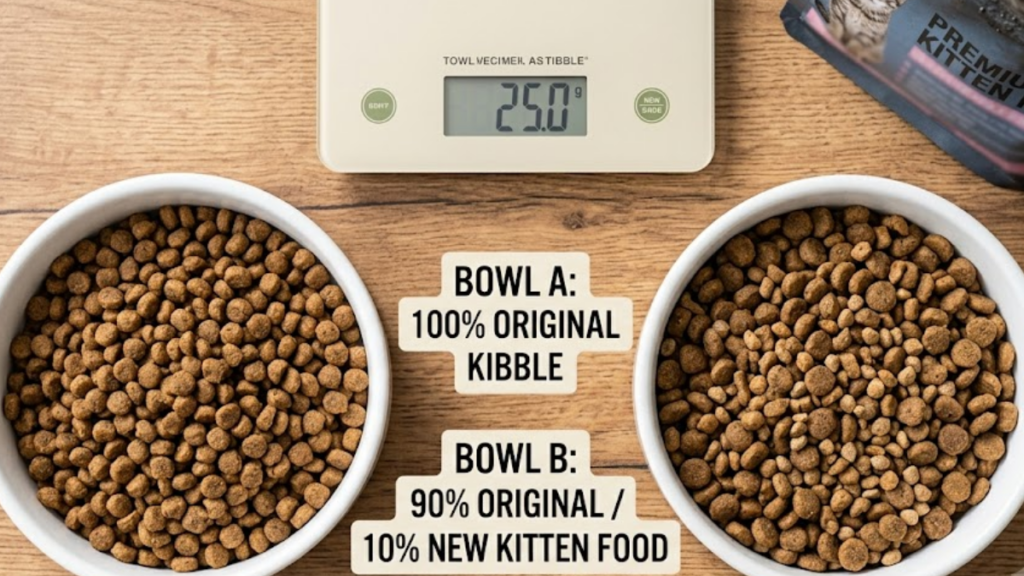
To switch your pet to clean, verified Kitten Food without causing gastrointestinal irritation, utilize this careful 10-day clinical transition protocol:
- Days 1–2: 90% Original Food + 10% New Verified Food
- Days 3–4: 70% Original Food + 30% New Verified Food
- Days 5–6: 50% Original Food + 50% New Verified Food
- Days 7–8: 30% Original Food + 70% New Verified Food
- Days 9–10: 100% Fully Transitioned New Verified Food
By introducing the new formula slowly, you allow beneficial gut bacteria to multiply safely, preventing the loose stools that pet parents often mistake for food poisoning. Additionally, establish regular, structured mealtimes rather than leaving food out all day. This makes it much easier to monitor your kitten’s actual daily intake and spot early signs of appetite loss. The U.S. Food and Drug Administration (FDA) regularly warns pet owners about the dangers of unverified online third-party storefronts.
Easy-to-Digest Homemade Meals for Vulnerable Kittens
When a kitten’s digestive system is inflamed by bad food, continuing to feed them dense, highly processed commercial kibble can make their condition worse. Instead, you can offer these simple, easily digestible homemade recipes for a few days to soothe their gut, reduce painful inflammation, and accelerate their clinical recovery from food poisoning in kittens:
- Shredded Chicken with Clear Broth: Boil plain, skinless, boneless chicken breast in pure water without adding any salt, onions, or garlic. Shred the meat into tiny pieces and mix it with a spoonful of the warm chicken broth to provide easy hydration.
- Pureed Pumpkin and Lean Meat: Mix a teaspoon of plain, steamed pumpkin puree into your kitten’s boiled chicken. Pumpkin provides high-quality soluble fiber that naturally firms up loose stools and stabilizes the gut lining.
- Steamed Whitefish with Egg Yolk: Steam a small piece of boneless whitefish (like cod or tilapia) and mix it with a tiny amount of cooked egg yolk for an easily absorbable nutrient boost.
Note: These homemade recipes are meant for short-term recovery only. Because they lack vital micronutrients like taurine, using them long-term can cause severe nutritional deficiencies unless balanced by a veterinary nutritionist.
More Read
When to Rush to the Vet: Severe Signs of Food Poisoning in Kittens
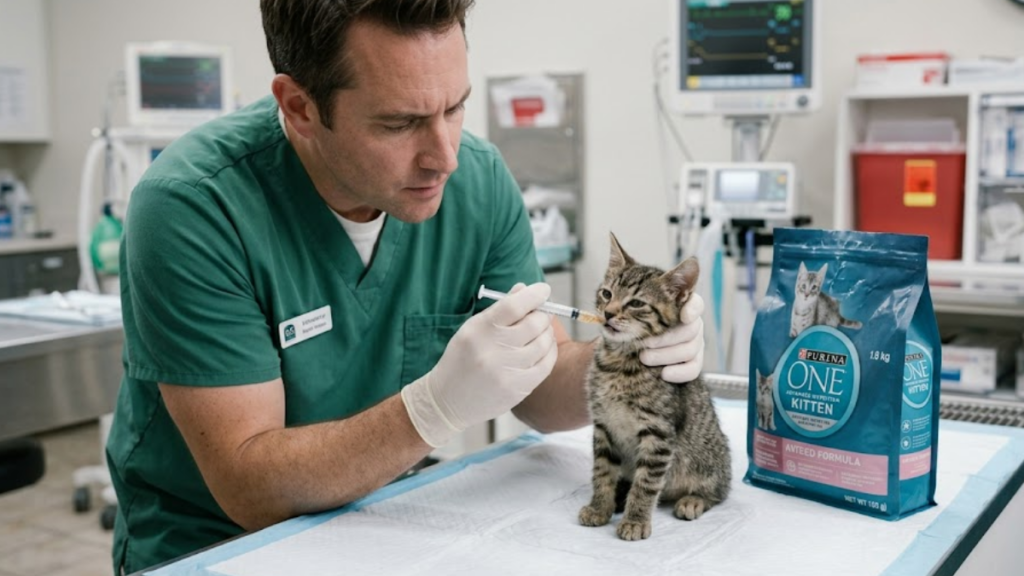
Because of their small body mass, a kitten’s health can decline with shocking speed. Delaying clinical care by even a few hours can result in irreversible kidney or liver damage. Seek emergency veterinary care immediately if you observe any of the following critical warning signs:
- Severe vomiting or projectile diarrhea that occurs multiple times in a single day.
- Visible dark red blood or coffee-ground-like material in their vomit or stool.
- Complete refusal to touch food or water for more than twelve to eighteen hours.
- Signs of advanced dehydration, including dry, tacky gums, sunken eyes, or skin that does not snap back when gently pinched.
- Severe neurological signs, including a loss of balance, muscle tremors, pinpoint pupils, or total unresponsiveness. Knowing when to seek emergency care can improve treatment outcomes.
Read More: The Ultimate Guide to Managing a Suddenly Aggressive Cat: Causes and Solutions.
Frequently Asked Questions
How fast do signs of food poisoning in kittens develop after eating?
Acute symptoms—such as severe vomiting and hypersalivation—typically appear within two to six hours if the food is heavily contaminated with bacterial toxins or chemical additives. However, chronic mycotoxin poisoning from improperly stored, moldy food can take weeks to surface, manifesting as slow weight loss and progressive lethargy.
Can I give my kitten human medication to stop their diarrhea?
No, never give your kitten over-the-counter human medications like Pepto-Bismol or Imodium. These medications contain compounds that are highly toxic to felines and can cause severe internal bleeding or liver failure.
What should I do if I suspect an online seller sold me fake pet food?
Take detailed photos and videos of the product, packaging, and batch codes. File an immediate fraud report directly with the e-commerce platform to freeze the seller’s account, and submit a consumer complaint to the FDA’s Safety Reporting Portal to protect other pet owners.
Final Thoughts
Your kitten relies entirely on you to protect them from dangerous food hazards. By shifting your shopping habits toward verified authorized retailers, inspecting packaging seals, and learning to read the subtle behavioral signs of food poisoning in kittens, you can keep your young feline safe from these modern e-commerce threats.
For more critical product alerts, investigative consumer reports, and expert pet care strategies, subscribe to The Couch Insider. Want to build the ultimate health-focused diet plan for your pet? Explore our library of expert articles in the Pet Nutrition section today!