



The transition into perimenopause is rarely the graceful glide that medical textbooks promise. For many, it feels like a sudden, aggressive collision with a wall. If you are reading this, you are likely navigating the trifecta of a shifting hormonal landscape, lingering ADHD symptoms, and the frustrating plateau of menopause weight gain.
- The Unspoken Reality of Menopause Weight Gain
- HRT for Menopause: The Hormonal Balancing Act
- GLP-1 for Menopause: The Weight Loss Accelerator
- Comparative Analysis: HRT vs. GLP-1
- Which Should You Start First?
- Combining Therapies: The Roadmap to Success
- Common Myths and Realities
- Professional Insights: What Your Clinician Might Not Say
- Community Realities: Listening to the Voices
- The Path Forward: Planning Your Appointment
- Conclusion: A New Chapter
Standard medical brochures often simplify these issues into a neat checklist of symptoms and “eat less, move more” advice. However, if you have spent time in the trenches of Reddit communities or forums, you know the reality is far messier. It is about “food noise,” unexplained fatigue, the “everything hurts” cycle, and the mental exhaustion of trying to manage an aging metabolism. This article is not a generic summary. It is an honest, objective breakdown—synthesized from the shared experiences of those who have actually lived through these treatments—to help you navigate the murky waters of menopause weight gain.
The Unspoken Reality of Menopause Weight Gain

For most women, the term menopause weight gain acts as a catch-all phrase that fails to capture the physiological storm occurring under the surface. When estrogen levels begin to fluctuate and eventually decline during perimenopause, your body’s metabolic framework undergoes a massive structural change. This shift is not just about calories; it is about how your body stores energy and processes stress.
For those also diagnosed with ADHD, the situation is compounded. The hormonal drop significantly impacts neurotransmitters like dopamine. When your estrogen dips, your ADHD medication may suddenly feel less effective. You find yourself fighting a two-front war: managing executive dysfunction and battling intensified binge eating patterns that often surge in the two weeks leading up to a cycle.

This is where the traditional advice falls flat. You are not “lazy.” You are dealing with a biological shift that has effectively moved the goalposts on your metabolism. The real-world experience of women dealing with this confirms that traditional diet strategies often fail because they do not address the hormonal drivers of menopause weight gain.
HRT for Menopause: The Hormonal Balancing Act
Hormone Replacement Therapy (HRT) has long been the gold standard for treating the symptoms of perimenopause. By supplementing the estrogen and progesterone that your body is no longer producing in sufficient quantities, HRT aims to bring your system back into equilibrium.
The True Mechanism of HRT
HRT works primarily by dampening the systemic inflammation and thermoregulatory dysfunction that occur during this transition. When your hormones are balanced, your sleep quality usually improves, your muscle aches subside, and your emotional stability becomes more predictable.
The Hidden Side of HRT
However, there is a reality that many doctors do not emphasize: HRT is not a weight-loss drug. In fact, many users report an initial “bloating” or slight weight gain upon starting HRT. This is often due to fluid retention as your body adjusts. It is a temporary side effect, but for someone already struggling with menopause weight gain, this initial shift can be mentally devastating.
“I started HRT hoping it would melt the weight away, but it actually made me gain a few pounds initially. It wasn’t until I managed my expectations and looked at the long-term systemic benefits that I felt the true relief of having my energy levels stabilized.”
Anonymous community contributor.

Furthermore, for women with a history of migraines or stroke, HRT requires surgical precision. Many clinicians now prefer transdermal methods (patches) over oral pills because they bypass the liver. If you are considering this path, demand a discussion about delivery methods rather than accepting a “no” at face value regarding menopause weight gain.
GLP-1 for Menopause: The Weight Loss Accelerator
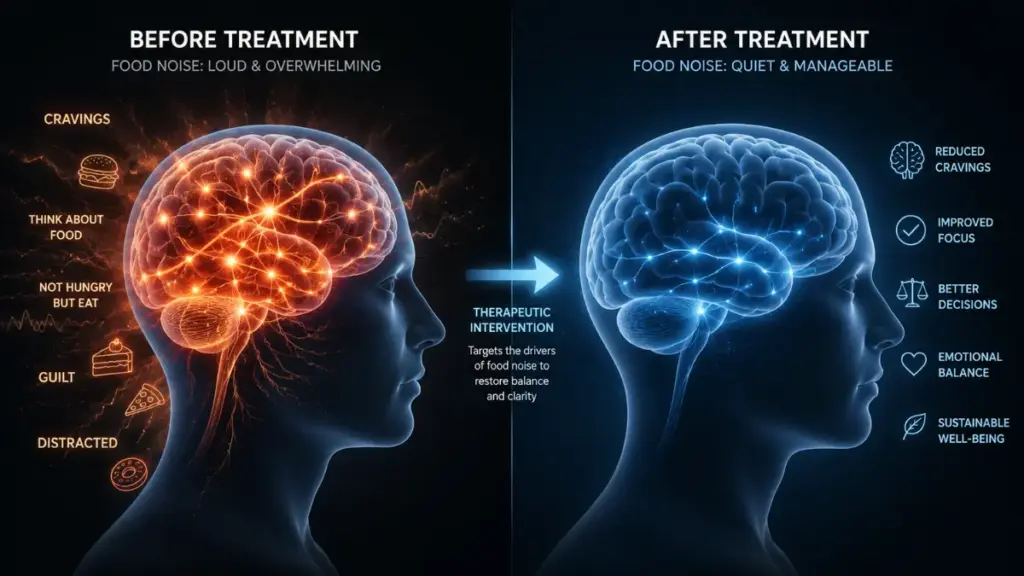
In the landscape of menopause weight loss treatment, GLP-1 receptor agonists have emerged as game-changers. Unlike HRT, which balances the internal environment, GLP-1s directly alter the relationship between your brain and your hunger signals.
Why GLP-1 is a Different Beast
GLP-1s effectively silence “food noise”—that constant, intrusive chatter in your brain telling you to eat. For a woman with ADHD who already struggles with impulse control, this medication can be a revelation. It does not just help you lose weight; it helps you break the physiological cycle of binge eating linked to menopause weight gain.
The “Ugly” Side Effects Nobody Talks About
While medical marketing paints a picture of effortless weight loss, the community experience reveals a more rugged reality:
- The “Neck and Shoulder” Soreness: A less common but distinct symptom reported by some women when starting the medication.
- Chronic Constipation: A standard side effect that requires proactive management.
- Initial Fatigue: A crushing exhaustion that can hit in the first few weeks.
- The Trap of Microdosing: Many women start with “microdosing” to avoid side effects. While cautious, it often fails to reach the therapeutic threshold needed to curb food noise, leading to frustration and stalled progress in managing menopause weight gain.
Comparative Analysis: HRT vs. GLP-1
Understanding the difference between these two paths is critical. The following table provides the most detailed comparison based on real-user outcomes and clinical data trends.
| Feature | HRT (Hormone Replacement Therapy) | GLP-1 (e.g., Tirzepatide) |
| Primary Goal | Hormonal balance & Symptom relief | Weight loss & Hunger suppression |
| Effect on Weight | Neutral to slightly positive (initial) | Strong, consistent loss |
| “Food Noise” Impact | Indirect (improves stability) | Direct (highly effective) |
| Common Side Effects | Bloating, breast tenderness | Constipation, nausea, fatigue |
| Typical User Profile | Severe hot flashes, mood swings | Persistent obesity, binge eating |
| ADHD Synergy | Helps by reducing hormonal swings | Helps by reducing impulsive eating |
| Time to Benefits | 4-8 weeks for stabilization | 2-4 weeks for appetite control |
Read more: Perimenopause Rage: The Day I Became A Stranger To Myself.
Which Should You Start First?
If you are facing the decision of which to start, the answer depends entirely on your current, most painful symptom related to menopause weight gain.
Starting with GLP-1 First
For many, the most immediate “fire” to put out is the weight gain itself. If your BMI is high and your mental health is suffering due to impulsive eating, clinicians are increasingly recommending starting with a GLP-1. By losing weight, you reduce systemic inflammation, which can inherently stabilize some of your hormonal symptoms associated with menopause weight gain.

Starting with HRT First
If your primary struggles are sleep deprivation, bone density anxiety, and severe hot flashes, HRT is non-negotiable. Some women choose to optimize their hormones first, allowing their sleep and energy to return to baseline, and then add a GLP-1 later if the menopause weight gain persists.
Combining Therapies: The Roadmap to Success
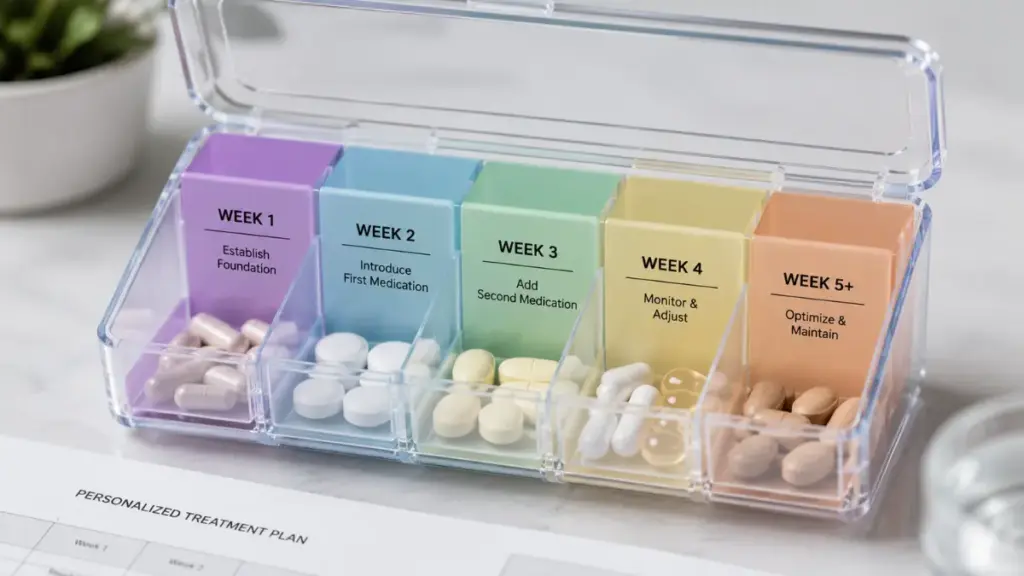
The most successful stories in the community often involve a “staggered” approach. There is no rule stating you must start both on the same day. In fact, doing so can make it impossible to know which drug is causing which side effect.
- Phase One: Choose your primary disruptor. If it is weight and food noise, start the GLP-1. If it is hot flashes and mood, start the HRT.
- Phase Two: Stabilize. Stay at a therapeutic dose for at least 3-6 months.
- Phase Three: Evaluate. Once your body is used to the first medication, introduce the second one to address persistent menopause weight gain.
More Read

Common Myths and Realities
The “Microdosing” Fallacy
There is a prevailing belief that microdosing is safer. While it reduces the intensity of side effects, it often keeps you in a state of “neither here nor there.” You do not get the full metabolic benefit, and you still deal with the minor side effects. Listen to your clinician, but do not be afraid to move up to a standard therapeutic dose if microdosing isn’t achieving results for your menopause weight gain.
The Myth of Natural Balance
Some argue that you can solve menopause weight gain solely through lifestyle changes. While exercise and nutrition are foundational, they are not always sufficient when the endocrine system is undergoing a massive shift. Acknowledging that you need medical support is not a failure; it is a strategic decision for your long-term health.

Professional Insights: What Your Clinician Might Not Say
When you go into your appointment, do not just ask “What should I take?” Ask about the long-term metabolic strategy.
- Muscle is your metabolic currency: Both GLP-1s and the aging process can lead to muscle loss. You must incorporate resistance training. If you lose weight without building muscle, you are just making your metabolism slower in the long run, complicating menopause weight gain.
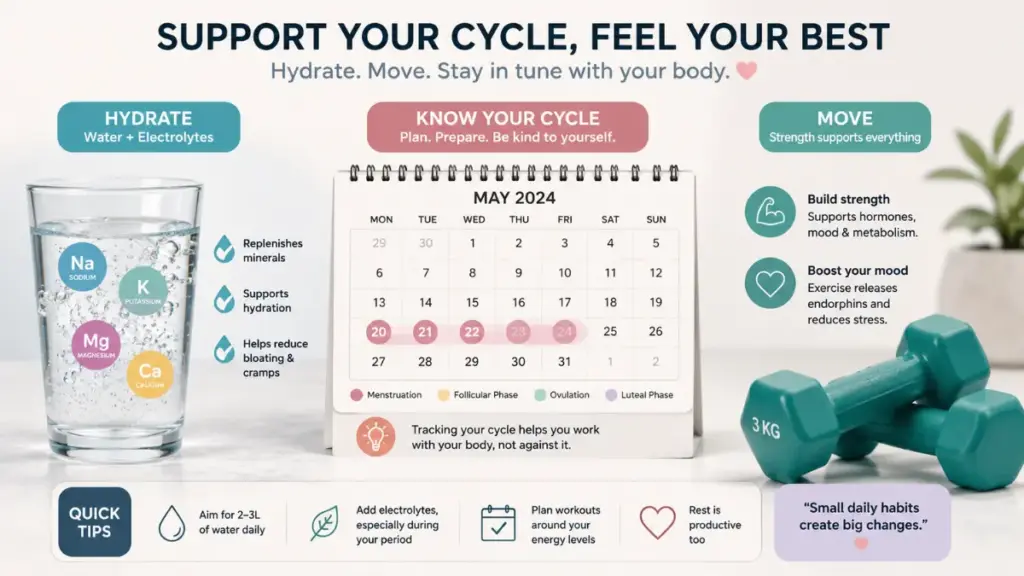
- Hydration and Electrolytes are not optional: If you are on a GLP-1, your need for electrolytes is significantly higher. Do not skip this; it is the most common cause of “GLP-1 fatigue.”
- Insurance matters: HRT is often well-covered by insurance for specific symptoms. GLP-1s can be more of a battle. Understand your coverage before you get your heart set on a specific brand for menopause weight gain.
Community Realities: Listening to the Voices
The best advice often comes from those who have been where you are. One overarching theme from the community is the importance of patience.
“People go too fast with this stuff and get bad side effects or they lose weight too rapidly and look terrible. Go low and slow, but be consistent.”
Advice from a seasoned user.
Many women who were previously on ADHD medications found that once they optimized their hormones or managed their weight through GLP-1s, their need for high-dose stimulants actually decreased. This is a massive win, as it reduces the long-term strain of chronic stimulant use while managing menopause weight gain.

The Path Forward: Planning Your Appointment
As you prepare for your upcoming appointment, arrive with a list of your specific symptoms. Be ready to advocate for yourself. If you are told “no,” ask “why?” and ask for an alternative pathway.
- List your symptoms chronologically: When did the ADHD symptoms worsen? When did the weight gain start?
- State your goals clearly: Are you looking for weight loss, symptom relief, or both?
- Ask about the ‘Staggered’ approach: Would starting with one and adding the other in 6 months be a safe pathway for you?

Conclusion: A New Chapter
Managing menopause weight gain is not about reclaiming your 20-year-old body. It is about building a sustainable, healthy, and energized version of your current self. Whether you choose HRT for menopause, GLP-1 for menopause, or a combination of both, the goal remains the same: reclaiming your quality of life.
The journey is long, and there will be hurdles—but you are the CEO of your own health. You have the tools, the data, and now, the raw, honest insights from those who have navigated these waters before you. Take it one step at a time, listen to your body, and do not be afraid to adjust your strategy as you learn what works best for your unique chemistry regarding menopause weight gain.
Read more: Max Dose of Ozempic for Weight Loss: 7 Harsh Realities You Must Know.
DEAR READERS, PLEASE LEAVE A COMMENT FOR EXPERT ADVICE OR FOLLOW OUR WEBSITE THE COUCH INSIDER TO UPDATE THE LATEST KNOWLEDGE.