

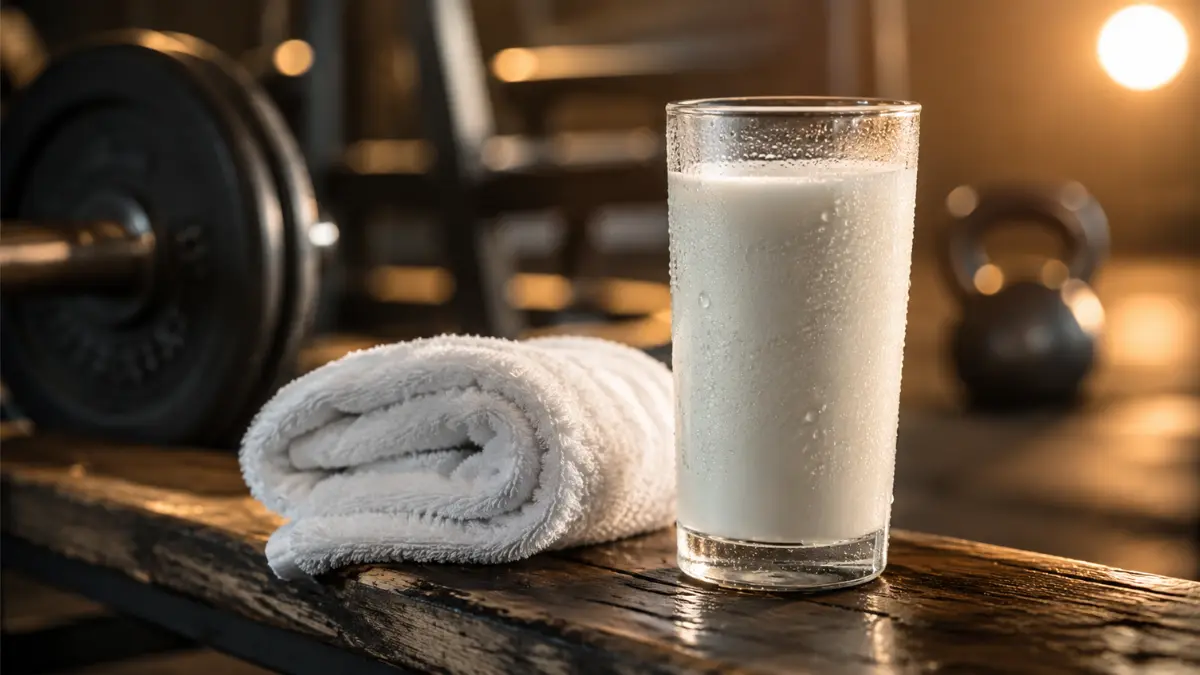

Walking out of an intense training session with burning, exhausted muscles and an empty water bottle often leads you straight to expensive, synthetic protein shakes or colored sports drinks. Assuming that the only way to effectively rebuild torn muscle fibers and restore lost fluids is by buying highly processed fitness supplements means you are overlooking the powerful, natural advantages of drinking simple milk after exercise.
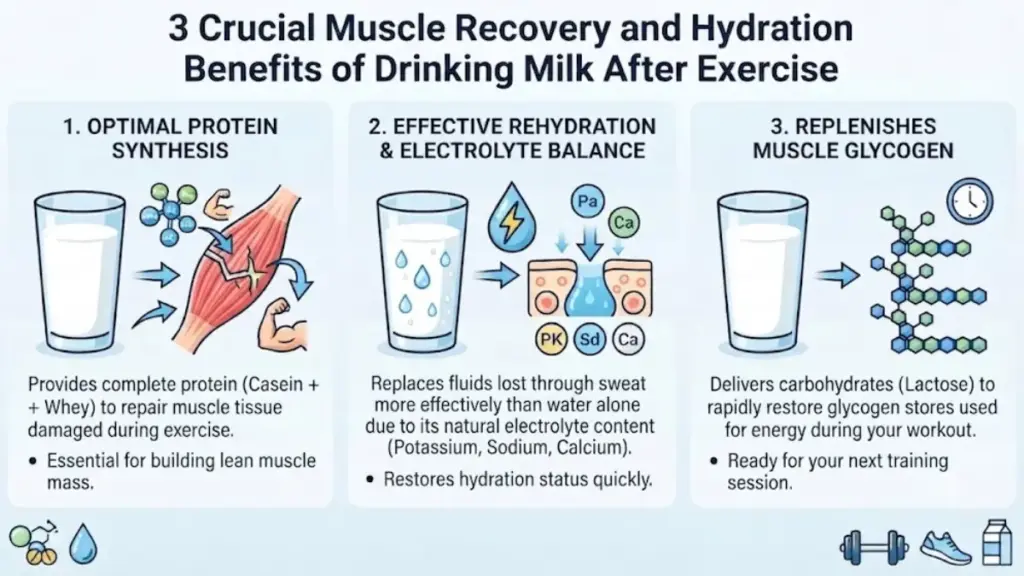
Optimizing your post-workout recovery window requires a balanced combination of macronutrients and essential minerals that your body can easily absorb. By exploring 3 critical, science-backed benefits of consuming milk after exercise—including how its natural ratio of casein and whey proteins sustains muscle repair, how its rich electrolyte profile outperforms water for rapid rehydration, and how its carbohydrate content quickly replenishes depleted glycogen stores—you can simplify your fitness nutrition and get better results.
Stepping away from overhyped, chemical-heavy recovery shakes protects your stomach and keeps your post-workout nutrition remarkably clean. Integrating this simple, whole-food habit into your fitness schedule helps you avoid synthetic additives, supporting your physical health in a completely natural way. Taking a few moments to understand how this everyday beverage restores your energy will help you build a highly resilient, sustainable routine that keeps your muscles strong through every workout.
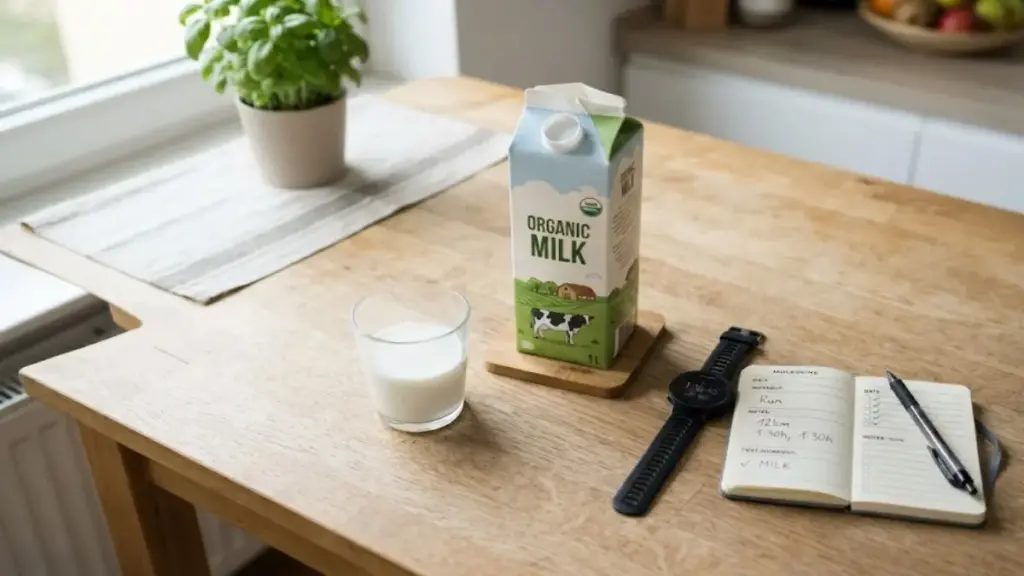
Immediate Muscle Repair and Rapid Hydration Right After Your Workout
When you complete a challenging training session, your muscle fibers are left with tiny microscopic tears, and your body’s fluid reserves are heavily depleted. Leaving your body to recover passively without proper nutrition can lead to severe muscle stiffness and prolonged fatigue, slowing your fitness progress. Drinking a fresh glass of milk after exercise delivers immediate help, acting as a natural first-aid kit for your tired muscles.
Rebuilding Torn Muscle Fibers Fast with Natural Whey Protein
The liquid portion of dairy contains a high concentration of fast-absorbing whey protein, which enters your bloodstream rapidly after consumption. When you finish your final lifting set, your damaged muscle tissues require immediate amino acids to begin the repair process and prevent muscle breakdown. The natural whey protein in your post-workout drink delivers these building blocks to your cells within thirty minutes, supporting rapid muscle recovery.
This fast-acting nutritional support stops muscle-wasting processes in their tracks, helping your body rebuild lean, strong tissue after intense strain. Instead of feeling weak and physically drained for hours, you give your body the exact tools it needs to start healing. Making a glass of milk after exercise a regular habit ensures your muscles recover their natural strength and flexibility quickly, preparing you for your next training session.

Sustaining Muscle Recovery Overnight with Slow-Digesting Casein
Unlike fast-absorbing whey, the casein protein in dairy digests slowly, forming a gentle gel-like barrier in your stomach that releases nutrients over several hours. This slow-release mechanism ensures your muscles receive a steady, continuous supply of essential amino acids long after you finish your workout, making milk after exercise highly effective.
This continuous nutrient delivery is especially helpful if you train in the evening, as it keeps your body in a recovery state throughout the night. The steady flow of casein protein helps repair damaged tissues while you sleep, preventing muscle soreness and stiffness the next morning. Utilizing this slow-digesting protein helps you maintain a balanced, active lifestyle, showing why milk after exercise is a superior recovery choice.
Outperforming Plain Water for Rehydration and Electrolyte Balance
Many active people rely on plain water or sweetened sports drinks to rehydrate after sweating, but these drinks often lack the balanced mineral profile your body needs to retain fluids. Dairy is naturally rich in essential minerals like sodium and potassium, which are the primary electrolytes lost through sweat during a workout. Choosing milk after exercise is a highly effective way to restore these minerals and maintain proper fluid balance.
The natural sugars and proteins in dairy help slow down digestion, allowing your body to absorb the fluids and minerals gradually over time. This slow absorption prevents the water from passing through your system too quickly, keeping your tissues hydrated for longer periods. Staying properly hydrated with milk after exercise helps prevent painful muscle cramps and supports a healthy, steady heart rate as your body cools down.
Read More: 5 Surprising Reasons You Should Harness The Power Of A Chocolate Smell During Exercise

Long-Term Benefits of Dairy for Metabolism and Body Shaping
When you make dairy a regular part of your post-workout routine, you support your body’s natural metabolic processes and help sculpt a lean, healthy physique over time. The unique combination of proteins, healthy fats, and essential minerals in dairy helps optimize how your body burns energy and builds bone strength, making a glass of milk after exercise a valuable addition to your long-term wellness plan.
Replenishing Energy Stores Fast with the Golden Carbohydrate Ratio
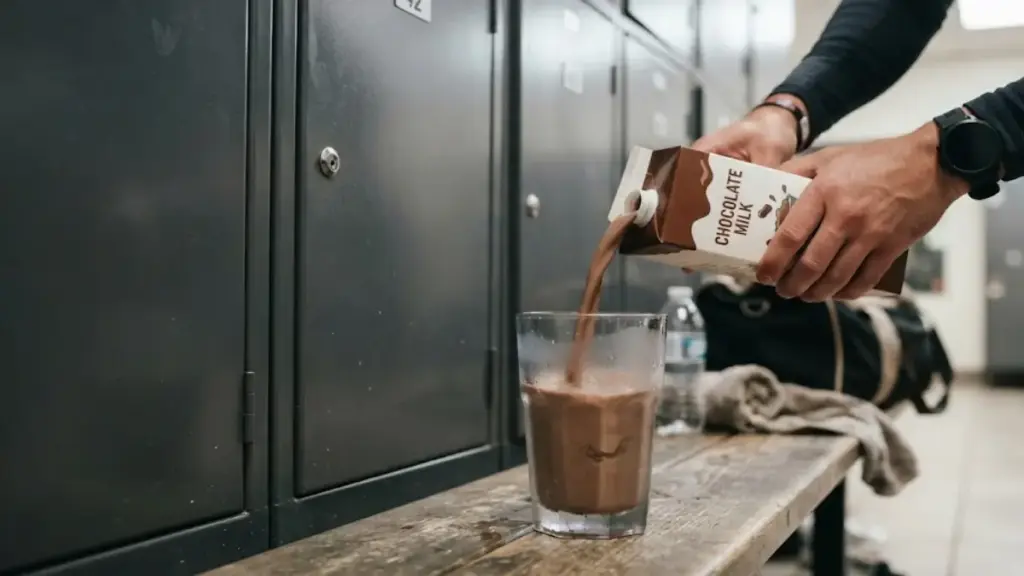
Low-fat chocolate milk provides a natural four-to-one ratio of carbohydrates to protein, which matches the exact nutritional needs of your muscles after intense endurance training. This golden ratio helps transport glucose directly into your cells, quickly rebuilding your glycogen energy reserves. Choosing this delicious, classic drink over expensive recovery supplements is a smart way to enjoy milk after exercise.
This rapid energy replenishment helps prevent post-workout fatigue, muscle weakness, and dizziness, helping you stay active and focused throughout your day. Using this simple kitchen staple to refuel your body is a practical, budget-friendly way to keep your energy levels high without consuming empty calories. Embracing this classic recovery drink is an excellent way to support your active lifestyle, showing the value of milk after exercise.
Supporting Strong Bones with Calcium and Vitamin D
Heavy strength training puts physical pressure on your bones, requiring a steady supply of minerals to keep your skeletal system strong and resilient. Dairy is an excellent source of natural calcium and Vitamin D, which work together to support bone density and prevent wear and tear. Drinking milk after exercise helps build a strong skeletal foundation, protecting your joints from training injuries.
This structural support helps prevent long-term bone weakness and joint discomfort, allowing you to train with confidence and push your physical limits safely. Keeping your bones strong and healthy is an essential part of maintaining your physical independence as you age, making regular mineral intake a top priority. Enjoying a cold glass of milk after exercise is a simple, pleasant way to provide your body with these essential bone-building minerals.

Crushing Sweet Cravings and Boosting Natural Fat Loss
The high protein content in dairy helps promote a feeling of fullness and satisfaction, preventing the sudden, intense hunger pangs that often lead to overeating after a workout. This natural appetite control helps you resist the temptation to reach for sugary snacks or processed fast food between meals. Utilizing milk after exercise is a helpful, natural way to support your weight management goals.
Additionally, the natural calcium in dairy has been shown to support healthy metabolic rates, helping your body burn stored fat more efficiently while preserving lean muscle mass. This metabolic support helps you achieve a toned, healthy physique safely and sustainably without relying on extreme diets or harmful fat-burning supplements. Choosing a glass of milk after exercise is a delicious, healthy habit that supports your body shaping journey.
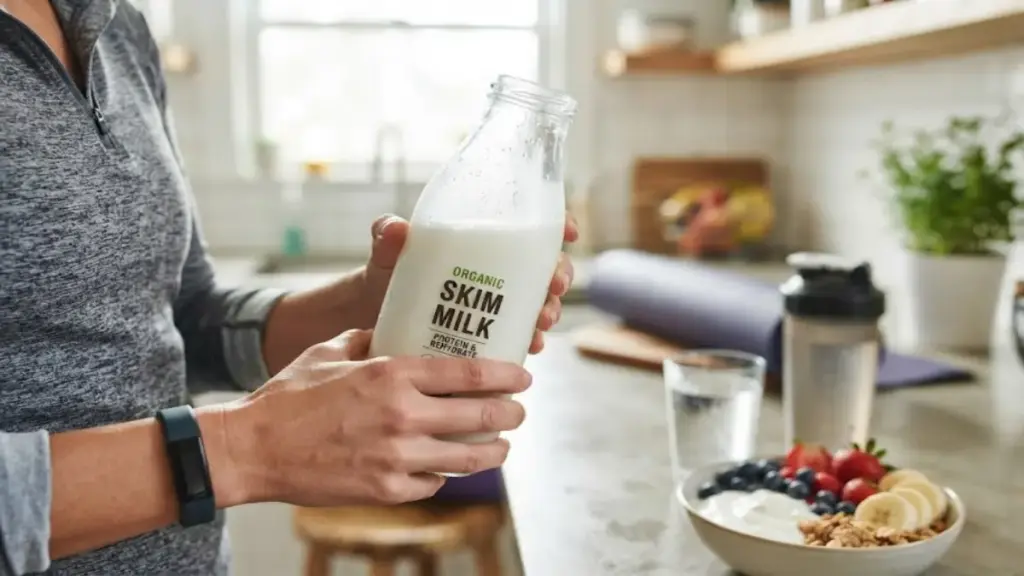
A Simple Guide to Safe and Comfortable Post-Workout Hydration
To help you enjoy this natural recovery drink safely without experiencing any stomach heaviness or bloating, let us explore some practical, easy-to-follow steps to customize your routine.
More Read

Step 1 – Avoid Chugging Ice-Cold Liquids Immediately After Training
When you finish a strenuous workout, your body directs blood flow away from your stomach to supply your working leg and arm muscles with oxygen. Tossing a large amount of ice-cold milk into your system immediately can cause your stomach muscles to contract uncomfortably, leading to painful cramps and bloating. Taking a few moments to cool down before drinking is essential to protect your digestion during your milk after exercise routine.
Instead of rushing to the fridge the moment you drop your weights, spend fifteen minutes walking slowly and performing gentle stretches to help your heart rate return to normal. Once your breathing is calm and your body temperature has stabilized, enjoy a glass of cool or slightly warmed milk, sipping it slowly to support smooth, easy digestion. Using this relaxed approach ensures your body absorbs all the nutrients comfortably, proving the value of milk after exercise.

Step 2 – Match Your Milk Choice to Your Physical Fitness Goals
Different fitness goals require different nutritional focuses, and choosing the right type of milk can help you achieve your desired results faster. If you are focused on building bulk and increasing your muscle size, whole milk provides the extra calories and healthy fats needed to support muscle growth. Choosing this rich option is a highly effective way to fuel your muscles when enjoying milk after exercise.
On the other hand, if your primary goal is to trim body fat and build a lean, toned physique, low-fat or skim milk is a better choice for your recovery drink. These lighter options provide the exact same amount of muscle-rebuilding protein and minerals as whole milk, but with the fat and calories removed to keep your diet plan clean. Adjusting your dairy choices to match your goals is a smart way to get the most out of your milk after exercise routine.

Step 3 – Smart Dairy-Free Alternatives for Lactose Sensitivity
If you struggle with lactose intolerance, drinking traditional cow’s milk can lead to stomach discomfort, bloating, and digestive irritation after your workout. Fortunately, you can still enjoy all the muscle-building benefits of a recovery drink by choosing lactose-free dairy or high-protein plant milks. These gentle alternatives keep your stomach comfortable while supporting your health during your milk after exercise routine.
Unsweetened soy milk and pea-protein milk are excellent plant-based options, delivering about eight grams of quality protein per cup to help your muscles repair themselves. You can blend these plant milks with a ripe banana and a spoonful of peanut butter to create a rich, delicious recovery shake that is gentle on your stomach. Exploring these plant-based options ensures you can refuel your body comfortably, demonstrating the versatility of milk after exercise.
Understanding Your Post-Workout Recovery Routine
How can I enjoy milk after a workout without causing skin breakouts?
If you are prone to skin breakouts or hormonal acne, drinking large amounts of cow’s milk can sometimes stimulate your skin’s oil glands, causing clogged pores and blemishes. This skin sensitivity can be avoided by switching to high-protein plant milks like unsweetened soy milk or almond milk mixed with plant protein after your workouts. These plant-based alternatives provide excellent muscle-rebuilding nutrients while helping to keep your skin clear and healthy, making them great choices for your milk after exercise drink.
- Plant milks are naturally free from the hormones found in dairy, helping to prevent excess oil production and skin inflammation.
- Make sure to choose unsweetened varieties of plant milk to avoid high sugar levels that can also trigger skin breakouts.
- This simple dietary switch protects your skin’s natural health, allowing you to support your muscles safely and comfortably.
- Enjoying clean, plant-based recovery drinks keeps your fitness routine simple, helping you get the most out of your milk after exercise habits.

What is an easy, budget-friendly recipe to prepare a recovery milk drink?
Preparing a nutritious, delicious recovery drink at home is incredibly easy and much more affordable than buying commercial, packaged protein shakes. A classic banana milkshake provides a perfect balance of simple carbohydrates, quality protein, and essential electrolytes to help your body recover after a sweaty workout. Enjoying this fresh, homemade smoothie is a fantastic, natural way to refuel your muscles and support your milk after exercise routine.
- Blend one ripe banana, one cup of low-fat milk, and a spoonful of natural peanut butter until the mixture is smooth.
- Add a tiny pinch of sea salt to the blender to help replace the sodium lost through sweat during your workout.
- This simple, whole-food recipe delivers a rich supply of potassium, protein, and clean energy to help your muscles rebuild.
- Preparing your own post-workout drinks at home keeps your nutrition clean, showing the practical value of milk after exercise.
Reversing nighttime anxiety is a masterclass in behavioral balancing; true recovery success requires removing attention rewards and tracking exit timing with absolute clinical discipline to complete your home training program properly and manage the benefits of a milk after exercise routine.
Ri
Establishing Wholesome Habits for Long-Term Physical Stamina
Rebuilding a healthy, active lifestyle requires a simple, consistent focus on high-quality nutrition and proper food safety habits. When you store your fresh dairy or plant milks in a clean, organized refrigerator, you prevent environmental moisture from causing rot that can harbor dormant pathogens. This careful approach to food storage protects your stomach from irritation, helping you maintain a safe and comfortable home throughout your milk after exercise journey.
Keep your kitchen storage bins clean and wash your ingredients with fresh, cold water before cooking to remove any dirt or debris. If you use an automated food processor to prepare healthy meals, take the container apart completely to scrub away any food residue. This simple cleaning routine removes waste before it can breed bacteria, keeping your tools perfectly safe.
Furthermore, checking the official FDA nutrition guides regularly ensures you make smart, safe food choices for your family during grocery runs. Balancing your food choices and eating a wide variety of nutrients is the most effective way to protect your loved ones from severe deficiencies. Keeping your kitchen organized and staying informed about the latest health alerts lets you prepare delicious, nutritious meals with absolute confidence and peace of mind.
PLEASE LEAVE A COMMENT TO RECEIVE A FREE CONSULTATION FROM OUR EXPERTS OR FOLLOW OUR WEBSITE THE COUCH INSIDER TO UPDATE THE LATEST KNOWLEDGE.