

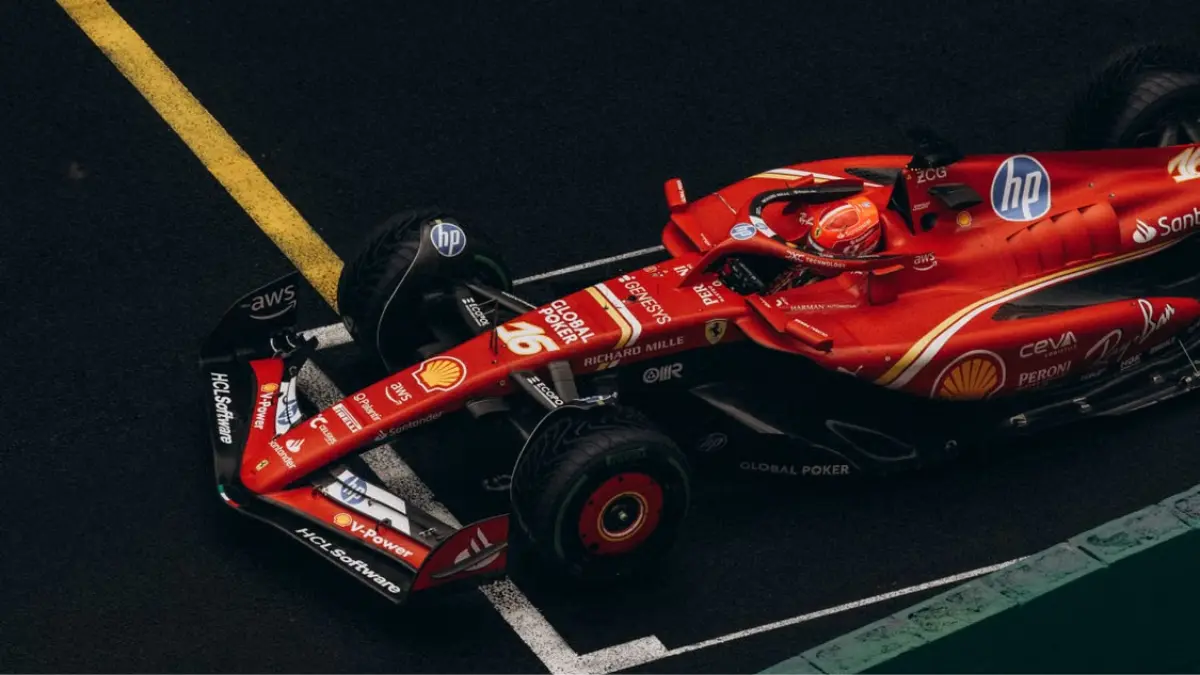
The thrill of a Formula 1 race weekend is unparalleled, but for many, the experience is increasingly defined by what they cannot see. As the sport surges in global popularity, the landscape of trackside accessibility is shifting rapidly, leaving General Admission Fans to navigate a more restricted environment. While the spectacle on the tarmac remains elite, the physical reality for those holding entry-level passes is becoming a test of patience rather than a celebration of speed.
- Who Are General Admission Fans, and What Does Their Ticket Really Include?
- Why Trackside Racing Is Becoming Harder for General Admission Fans
- What Is Driving This Change Across Modern Formula 1 Events?
- Are These Problems Limited to Silverstone?
- Can Formula 1 Improve the General Admission Experience Without Sacrificing Revenue?
- Frequently Asked Questions (FAQ)
- Conclusion
Who Are General Admission Fans, and What Does Their Ticket Really Include?
General Admission Fans represent the heartbeat of the Formula 1 fan experience, often characterized by their dedication, endurance, and love for the sport’s raw atmosphere. Unlike spectators tucked away in private boxes, these supporters embrace the grassroots nature of race weekends, finding spots on grassy banks or fences to catch a glimpse of the action.
How General Admission differs from grandstand and hospitality tickets
When purchasing Formula 1 tickets, there is a clear hierarchy of access. Hospitality packages offer climate-controlled environments, gourmet dining, and prime views, while grandstands provide assigned seating with guaranteed sightlines. In contrast, General Admission (GA) acts as a roaming permit. It grants access to the venue grounds but does not guarantee a specific seat or even a clear view of the track.
Read more: Why the LEGO Technic Aston Martin AMR26 Looks Different From the Real F1 Car: 5 Surprising Truths
Why General Admission has traditionally been Formula 1’s most accessible ticket option
Historically, GA was the entry point for the average supporter. It was the most affordable way to participate in an F1 race weekend. For many, the value was found in the ability to move around, explore different corners, and soak in the paddock atmosphere. It was a democratic way to enjoy the sport, emphasizing the communal joy of racing over the luxury of private viewing decks.
Why Trackside Racing Is Becoming Harder for General Admission Fans
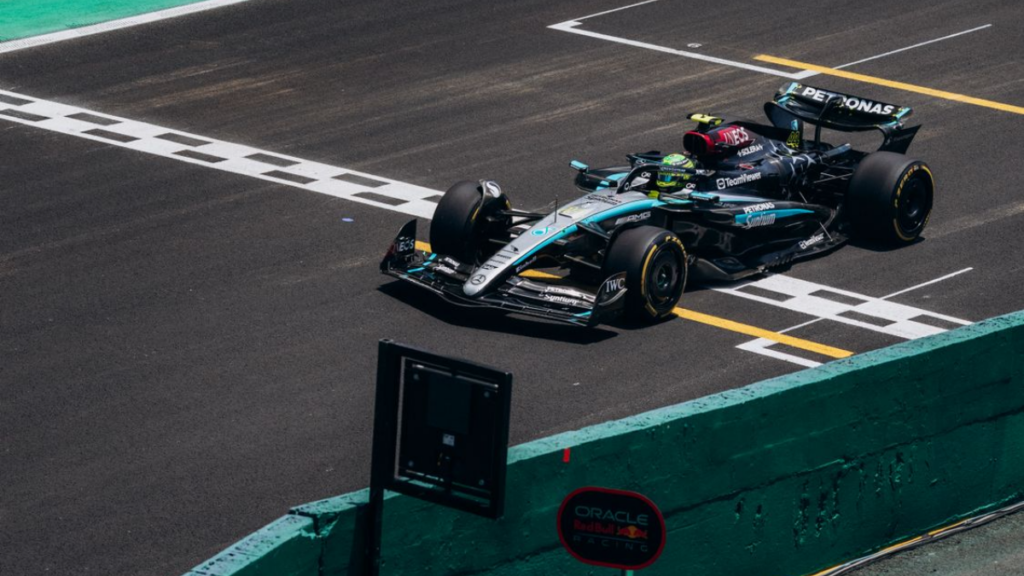
The golden era of wandering freely to find the perfect corner is fading. As modern circuits prioritize infrastructure, trackside viewing has become a premium commodity rather than a communal right.
More viewing areas are moving behind premium barriers
Circuit promoters are under immense pressure to maximize every square meter of space. Consequently, prime mounds and vantage points that were once open to General Admission Fans are being reclaimed. These spaces are now occupied by temporary grandstands or massive Formula 1 hospitality structures, effectively pushing GA ticket holders to the peripheries of the circuit.
Why fans are increasingly being redirected away from trackside locations
Safety protocols and commercial zoning have become convenient tools for crowd management. Promoters often cite safety concerns when closing off areas, but in many instances, these closures force fans toward designated “fan zones” equipped with large screens rather than direct views of the track. This redirection ensures that the most lucrative spots are reserved for those willing to pay a premium.
What Is Driving This Change Across Modern Formula 1 Events?
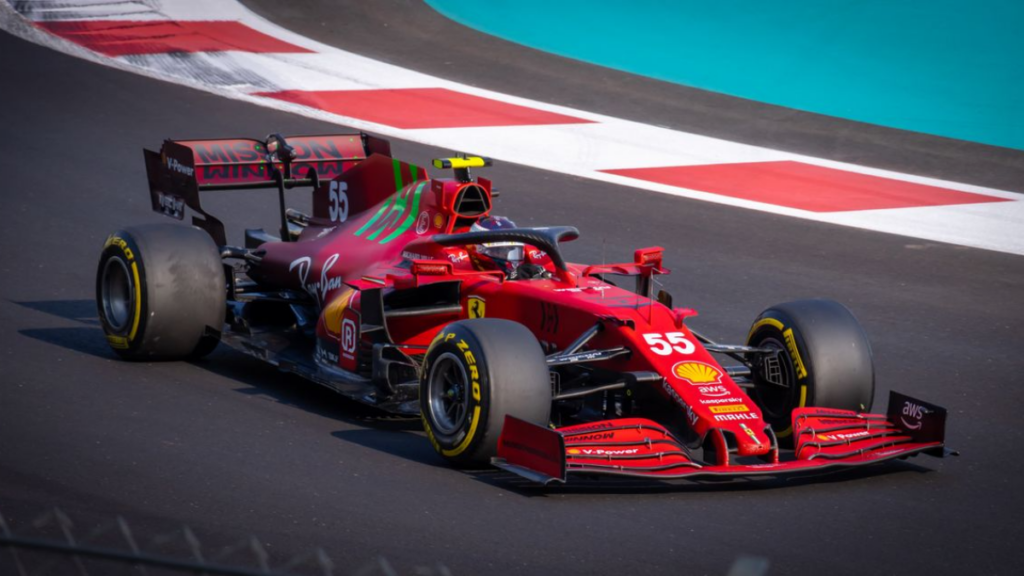
The shift in the Formula 1 fan experience is not an accident; it is the result of a calculated evolution in how events are operated and monetized.
The growing role of hospitality, VIP experiences, and premium seating
The commercial engine of F1 now relies heavily on corporate hospitality. Sponsors and high-net-worth individuals demand exclusive viewing experiences. As a result, the “real estate” of the track is being partitioned to favor those who bring the highest revenue. This shift inevitably displaces the casual supporter who relies on GA access.
How safety, crowd management, and commercial priorities intersect
Safety is the paramount concern at any major sporting event. However, the intersection of safety and commerce is complex. Expanding VIP zones requires more security and better infrastructure, which naturally restricts the flow of large crowds. While regulators argue this is for fan safety, the result is a sanitized, controlled experience that limits the spontaneity of the traditional F1 enthusiast.
“The democratization of sport is challenged when the best views are no longer accessible to the fans who bring the passion, but only to those who bring the capital.”
Jade
Are These Problems Limited to Silverstone?
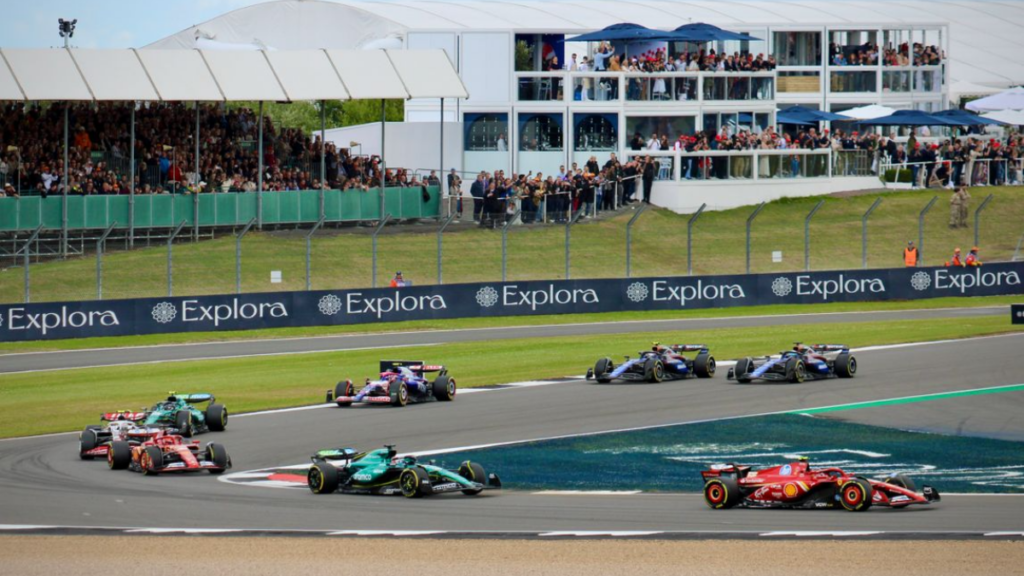
While Silverstone General Admission is often cited as a point of contention due to its massive size and historical layout, this is a systemic issue affecting the entire calendar.
Comparing fan experiences at Silverstone, Jeddah, Montreal, and other Grands Prix
Every circuit faces the same pressure to host more people in a smaller footprint. At purpose-built circuits like Jeddah, the track is often surrounded by massive walls and VIP compounds, leaving almost zero room for roaming fans. In contrast, street circuits like Montreal offer limited public access points, creating bottlenecks that frustrate GA holders seeking a view of the race.
More Read

Which restrictions come from Formula 1 and which come from local race promoters
It is crucial to distinguish between league-wide mandates and localized promoter decisions. Formula 1 provides the regulatory framework, but local promoters decide how to pack their venue to recoup the hosting fees. Therefore, the erosion of GA access is often a local financial survival strategy that trickles down to the fan experience.
Can Formula 1 Improve the General Admission Experience Without Sacrificing Revenue?
Finding a middle ground is possible, provided the sport prioritizes long-term fan loyalty over short-term revenue spikes.
What General Admission fans say they value most
Fans consistently demand two things: visibility and fairness. They don’t necessarily need a five-star dining experience; they need to see the cars. Better use of elevated viewing platforms in non-premium areas or more affordable “upgraded” viewing add-ons could bridge the gap without stripping away the core GA experience.
Possible solutions that balance accessibility with premium experiences
- Dynamic Screen Placement: Investing in better-positioned screens in GA areas to compensate for lost line-of-sight.
- Rotating Access: Allowing GA fans short-term access to certain grandstands during practice or qualifying sessions.
- Infrastructure Optimization: Building vertical rather than horizontal VIP structures to reclaim ground space for GA spectators.
Frequently Asked Questions (FAQ)
Is General Admission worth it at a Formula 1 race?
It depends on your expectations. If you value the atmosphere and the ability to roam, it can be excellent. However, if you prioritize a clear view of the racing action, you may find the limitations frustrating.
Why are some trackside viewing areas restricted during Formula 1 weekends?
Most restrictions are due to safety regulations, VIP capacity, and the physical limitations of the circuit to accommodate large, moving crowds in high-risk zones.
What’s the difference between General Admission and grandstand tickets?
General Admission provides access to the grounds and non-assigned viewing spots, whereas grandstand tickets guarantee a specific seat with a pre-determined view of the track.
Conclusion
The evolution of Formula 1 is creating a dichotomy between elite access and the traditional viewing experience. While the sport has never been more popular, the struggle for General Admission Fans to find decent trackside real estate is a genuine concern that needs addressing. Ensuring that the grassroots base remains engaged is vital for the sport’s long-term health. IF YOU HAVE QUESTIONS ABOUT YOUR NEXT RACE TRIP, PLEASE LEAVE A COMMENT FOR EXPERT ADVICE, OR FOLLOW THE COUCH INSIDER TO STAY UPDATED ON THE LATEST F1 KNOWLEDGE.