



Maintaining your climate control system is often treated as a chore, yet the reality is that poor ac unit maintenance is the silent thief of both your comfort and your wallet. Most manufacturers and mainstream blogs provide sanitized, overly simplistic guides that ignore the harsh realities of unit degradation. When you dig into the trenches of long-term ownership, the experience of real users paints a far more complicated picture. This article strips away the marketing fluff to examine what actually happens inside your machine, the specific risks of DIY interventions, and how to effectively extend the lifespan of your cooling hardware.
- The uncomfortable truth: why professional maintenance guides hide the mess
- The gritty reality of DIY window ac unit maintenance: what works and what backfires
- Battle-tested tips for maximizing window ac unit maintenance and lifespan
- User confessions: when window ac unit maintenance goes horribly wrong
- Final verdict: the pragmatic maintenance plan for the modern homeowner
“The true cost of neglected equipment is measured not just in repair bills, but in the slow, silent death of efficiency that most owners never even notice until the compressor finally fails.”
Ri
The uncomfortable truth: why professional maintenance guides hide the mess
Many standard manuals suggest that routine ac unit maintenance is as simple as pulling out a plastic mesh filter and running it under a faucet. While true, this advice ignores the deep-seated buildup of debris, bacterial colonies, and oxidative damage that occurs over years of operation. The industry often stays quiet about the catastrophic failures caused by well-intentioned but ill-equipped owners.
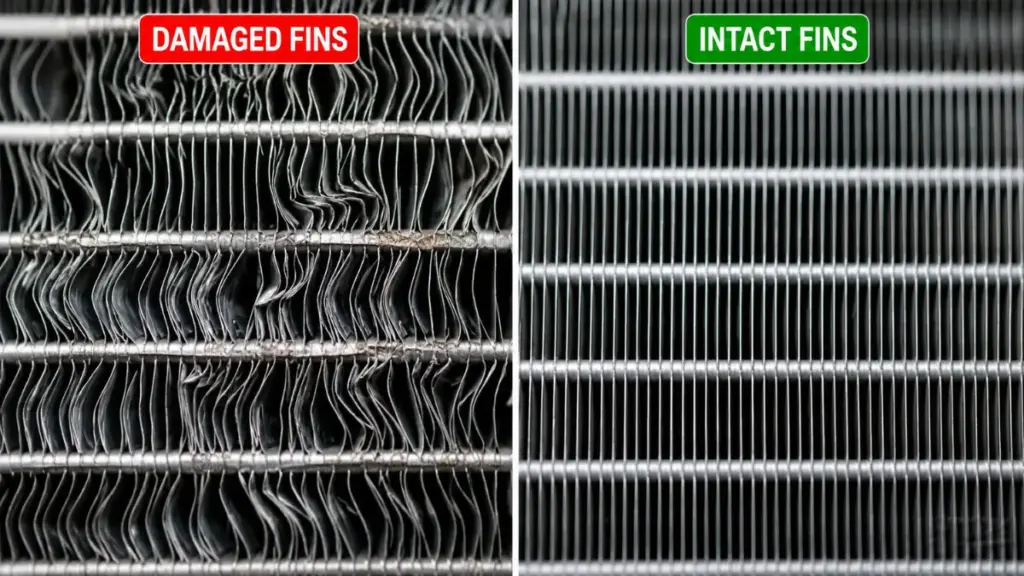
The “pressure washer trap”: how following basic advice ruins aluminum fins forever
One of the most dangerous myths circulating in DIY circles is the recommendation to use high-pressure water to clean condenser coils. While a pressure washer effectively clears mud, the force is almost always sufficient to flatten the delicate aluminum fins that facilitate heat exchange. Once these fins are bent, the airflow is permanently restricted. You are essentially trading a bit of surface dirt for a permanent reduction in your unit’s thermodynamic efficiency. Proper ac unit maintenance requires low-pressure, controlled cleaning agents and gravity, not raw force.
Chemical cleaners: the hidden corrosion risks behind those “quick-fix” sprays
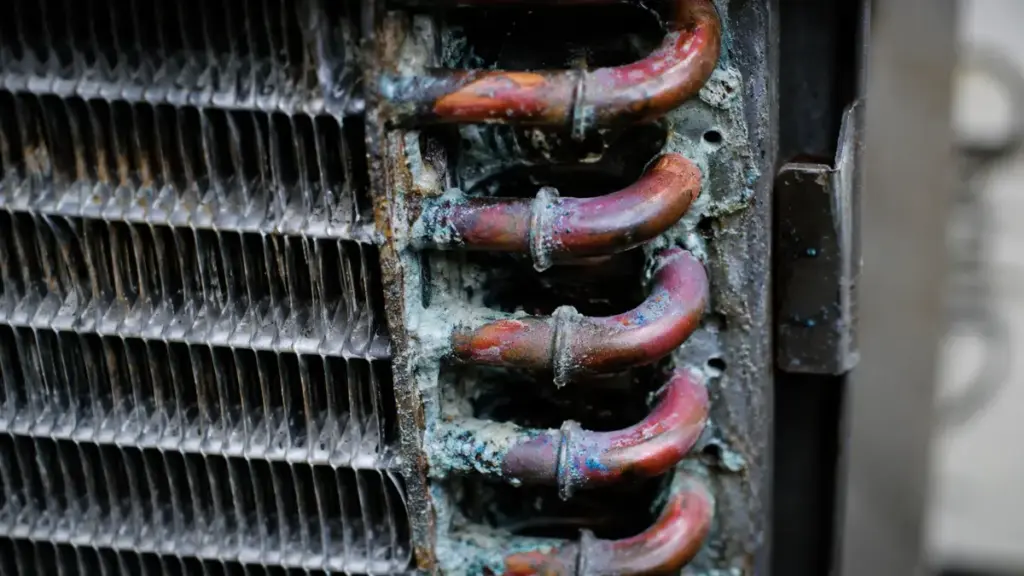
Walk into any hardware store, and you will find “no-rinse” foaming cleaners. Users often find that these chemicals, if left to sit, turn into a sticky residue that traps more dust and lint than ever before, creating a “mat” of filth on the coils. Furthermore, many of these cleaners are acidic; if not perfectly neutralized, they will aggressively corrode the copper tubing and solder joints. This is a classic case of ac unit maintenance gone wrong, where the “solution” accelerates the very leak it was meant to prevent.
The drainage dilemma: why clearing the port is a double-edged sword for rust
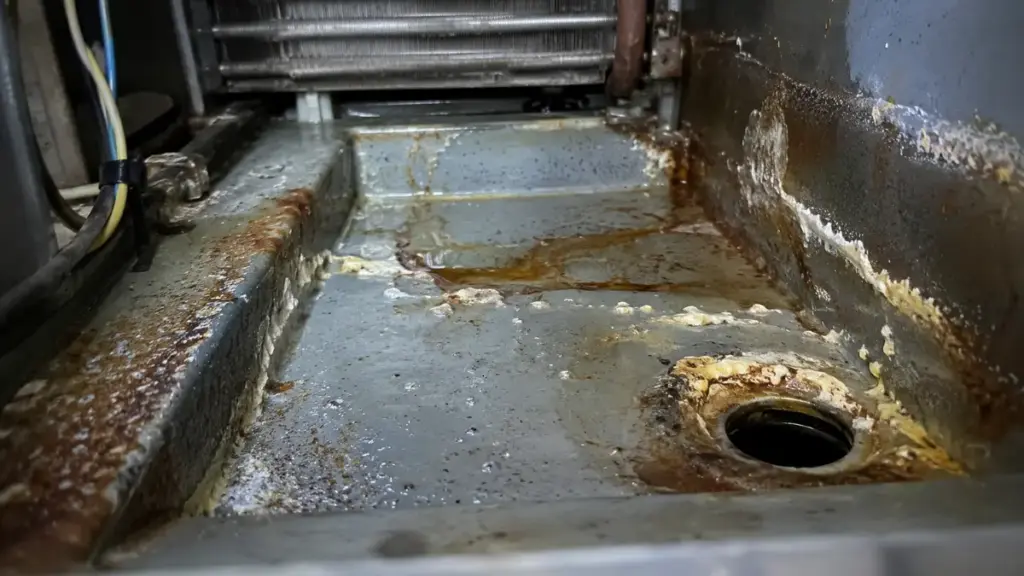
The condensate drain is critical, yet users rarely realize that poking these holes with rigid wire can damage the internal pan. The stagnant water trapped here is a breeding ground for biological growth. The “uncomfortable truth” is that persistent moisture combined with inferior steel construction leads to rust-through. Effective ac unit maintenance involves managing this drainage without compromising the integrity of the base pan, which often leads to the dreaded water-leaking-inside-the-wall scenario.
The gritty reality of DIY window ac unit maintenance: what works and what backfires
When you transition from theoretical maintenance to hands-on work, you quickly learn that some problems are persistent. Users frequently encounter issues that seem minor but, if neglected during ac unit maintenance, can lead to total system failure.
Decoding the “musty smell”: is it mold, or is it a deeper electrical issue?
That sweet, damp odor is rarely just dust; it is a complex biofilm. While many suggest a simple spray, real-world users know that the smell persists because the evaporator coil sits directly in the path of continuous moisture. If you are performing ac unit maintenance and notice a “fishy” or acrid scent, this is not just mold—it is often burning electrical insulation or stagnant water contacting the fan motor. Ignoring this during your scheduled cleaning can lead to a fire hazard.
The filter fallacy: why just washing filters won’t save your compressor
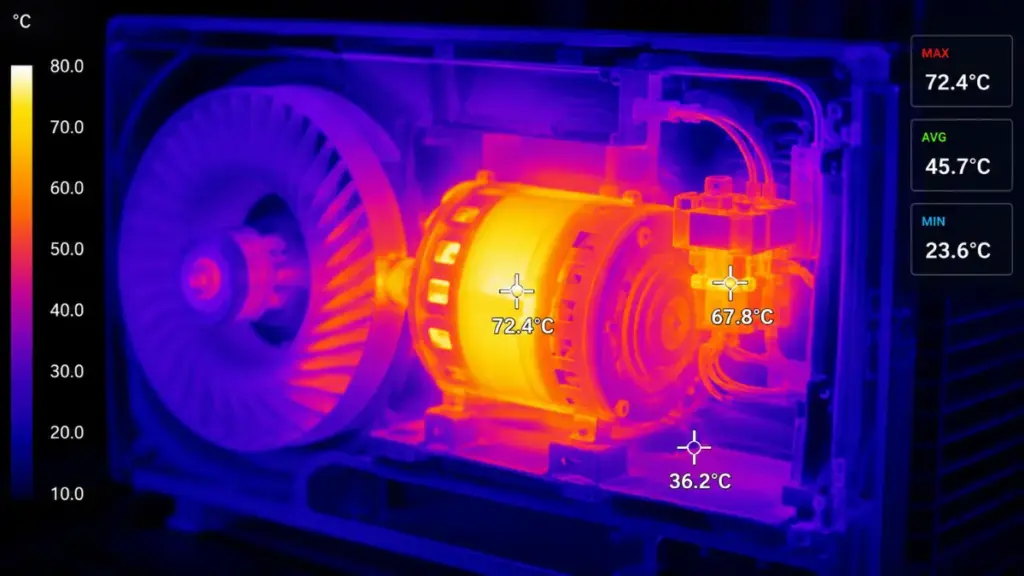
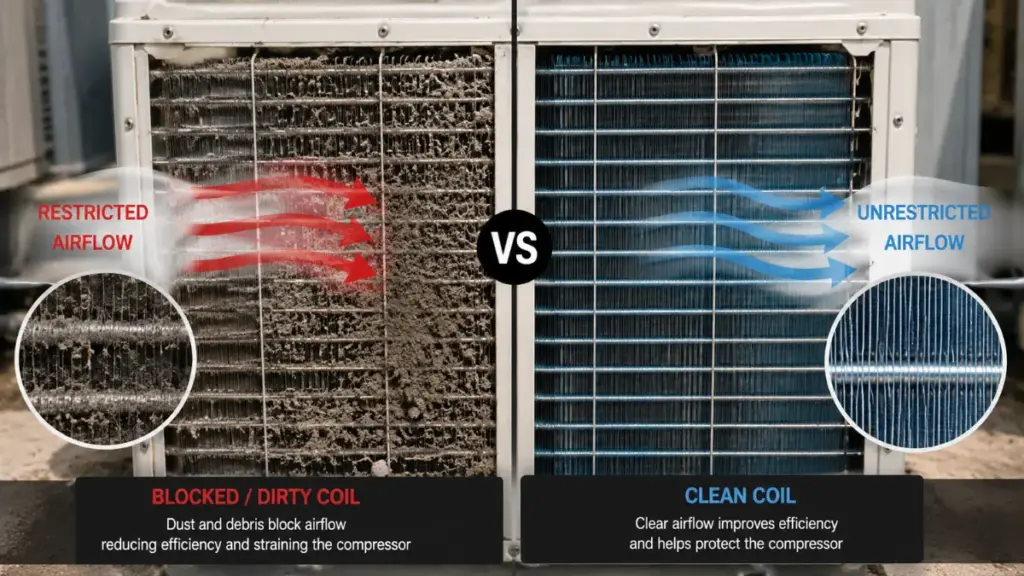
Many owners believe that washing the plastic filter monthly is the gold standard for ac unit maintenance. However, if your condenser coils (the part outside the window) are blocked with debris, the compressor is forced to work against extreme head pressures. The filter being clean on the inside is irrelevant if the exterior fins cannot shed heat. Your compressor will eventually overheat and seize. You must prioritize exterior airflow just as much as interior filtration.
Dealing with the “noisy neighbor” syndrome: vibration issues that simple tightening won’t fix
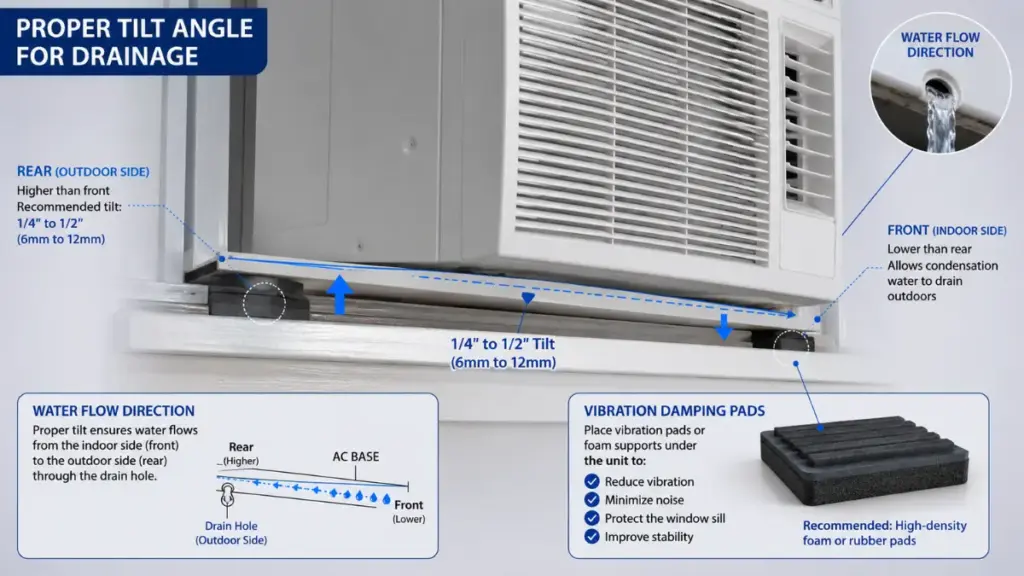
Vibration is the silent killer of solder joints. If your unit rattles, it is not just annoying—it is slowly snapping the copper refrigeration lines. Often, the frame of the window or the mounting bracket itself is the culprit. Proactive ac unit maintenance involves checking the pitch (angle) of the unit. Most units need to be slightly tilted toward the exterior to ensure water flows out. If the pitch is wrong, water pools inside, adding weight and inducing rust, which amplifies noise.
Battle-tested tips for maximizing window ac unit maintenance and lifespan
To truly optimize your machine, you have to move beyond the manual. Real-world expertise is about prevention and precision.
“Precision is the difference between a cooling machine and a scrap metal heap; treat your condenser fins like glass, not steel, or prepare for permanent performance loss.”
Ri
Sealing gaps: the difference between amateur weather stripping and thermal-lock perfection
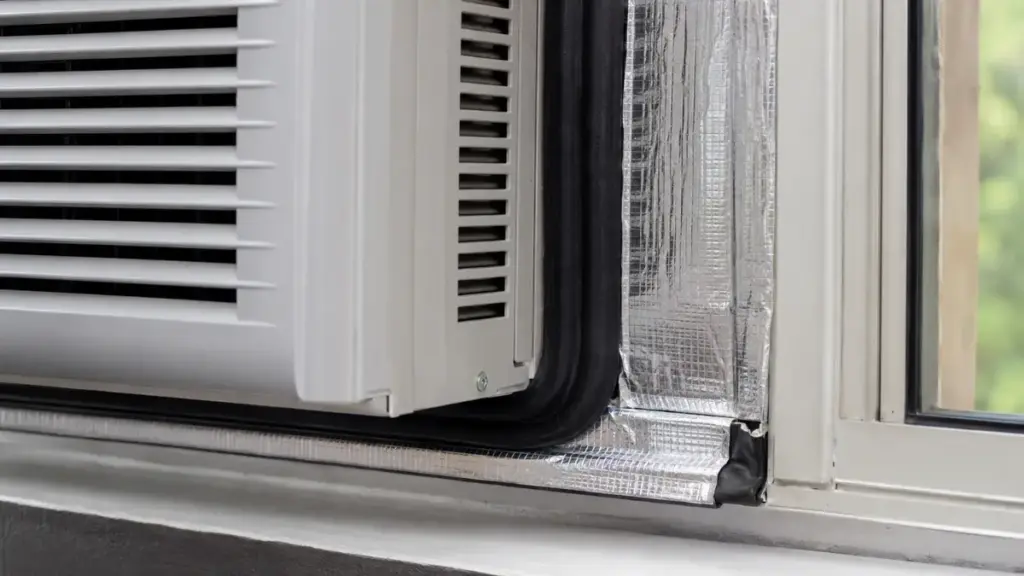
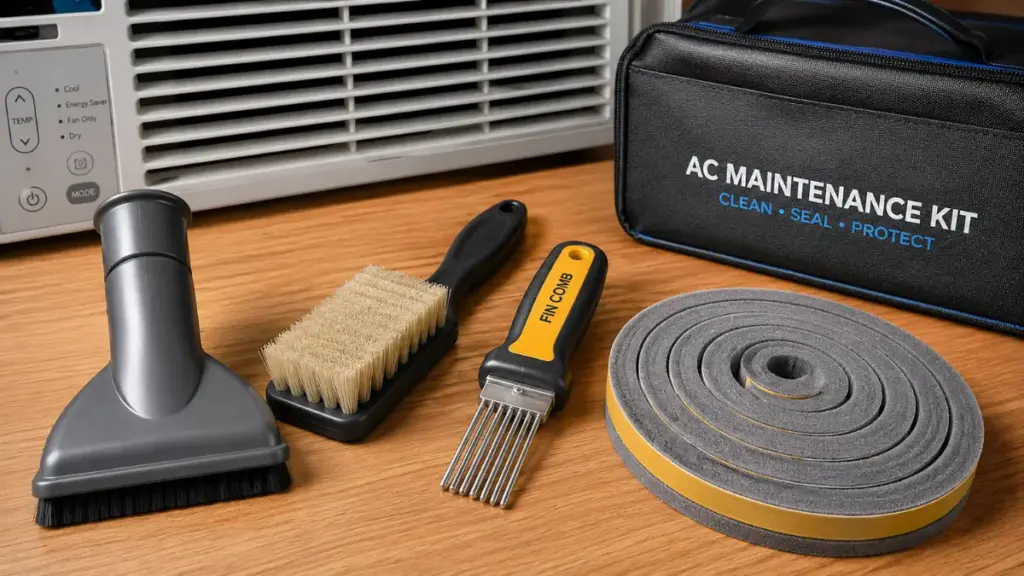
Poor sealing is the primary cause of high energy bills. Most people use cheap foam tape that degrades in the sun within a month. Superior ac unit maintenance involves using UV-resistant rubber seals or rigid foam boards sealed with professional-grade aluminum tape. This prevents hot, humid air from bypassing the unit, which is the leading cause of ice buildup on evaporator coils—a condition often mistaken for a “refrigerant leak.”
More Read

The art of coil straightening: a tedious but essential ritual for cooling performance
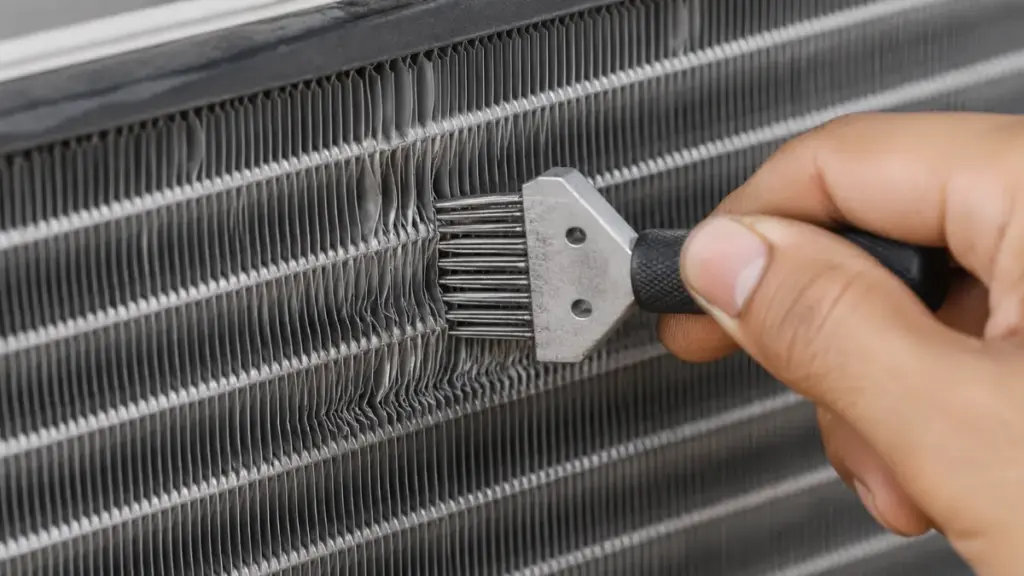
If you have bent fins, you need a fin comb. This is a specialized tool that pulls the metal back into alignment. This is the most underrated aspect of ac unit maintenance. It requires infinite patience and a steady hand. While it does not fix internal damage, it is the only way to recover the surface area required for heat exchange without replacing the entire condenser assembly.
Managing the “end-of-season” storage: why your preparation is killing your unit by spring
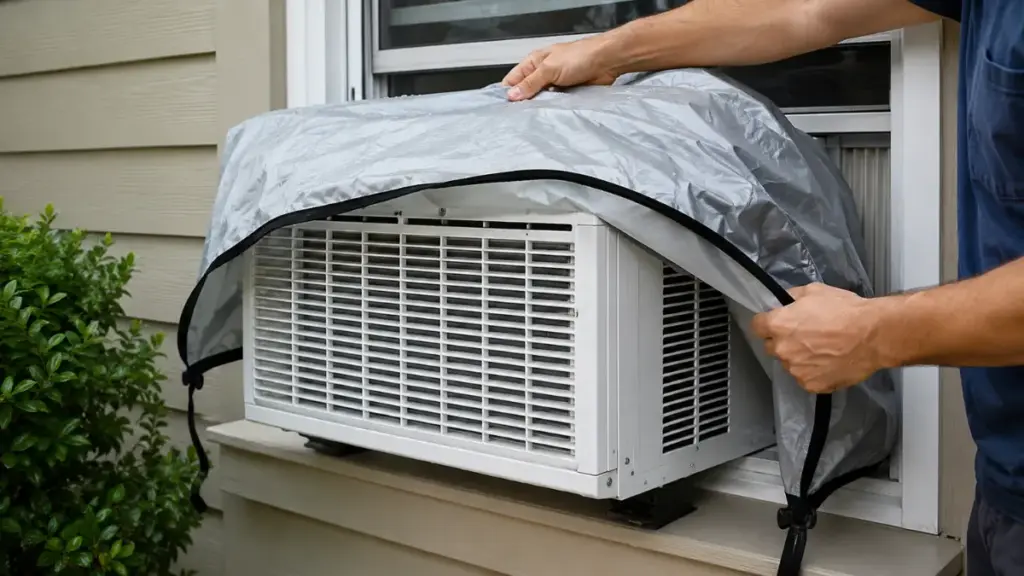
The most common “death” of an AC occurs in April. After a winter of sitting in a humid environment, the remaining moisture inside the casing causes the starting capacitor to corrode or the fan to seize. If you are doing proper ac unit maintenance, you must ensure the unit is bone-dry before covering it. If it remains in a window all year, ensure the drain path is completely cleared before the temperature drops, or ice will expand and crack the internal water-collection channels.
User confessions: when window ac unit maintenance goes horribly wrong
When we look at community experiences, we see patterns of failure that highlight what to avoid. These stories are the bedrock of our ac unit maintenance philosophy.
The “DIY gone bad” stories: catastrophic leaks and short circuits
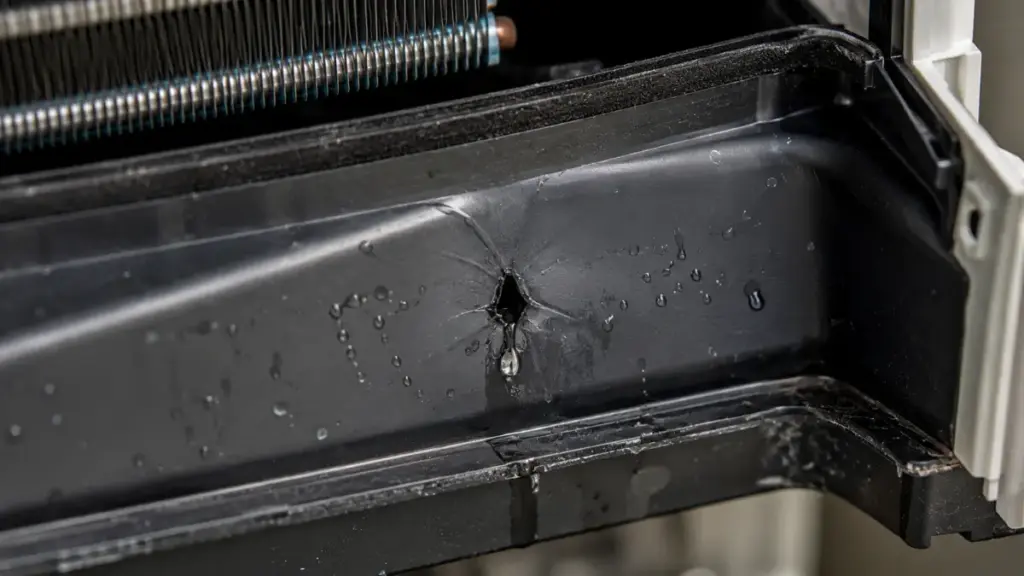
Users on support forums frequently recount “flooding their own bedrooms.” By aggressively trying to clear drainage holes with screwdrivers, they puncture the sealed plastic pan. Once the pan is compromised, the water drips directly onto the circuit board or the internal wiring. This is a terminal failure. The takeaway: if you cannot clear the drain with soft pressure or a vacuum from the outside, do not force it.
Why some users refuse to touch internal components (and they might be right)
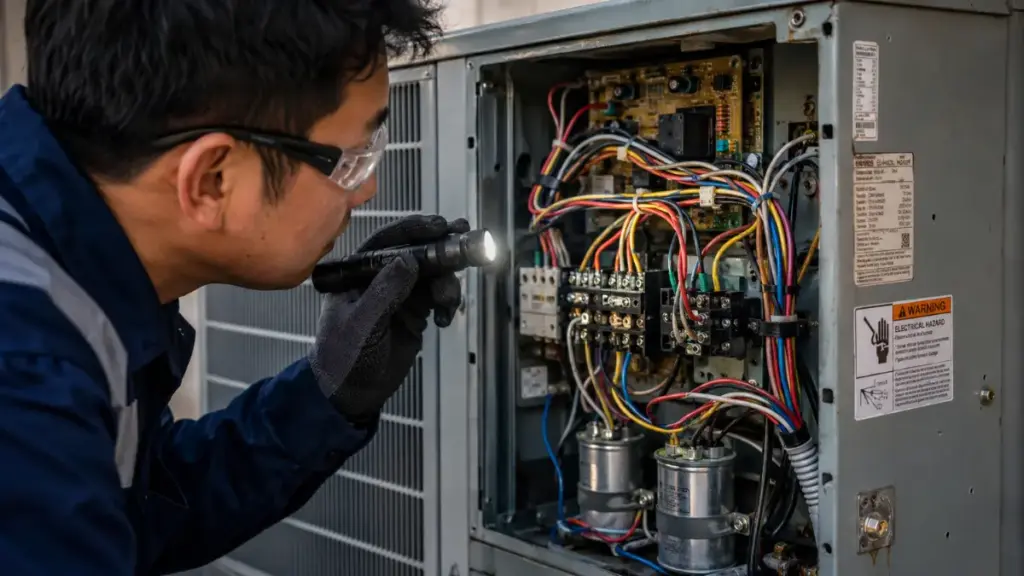
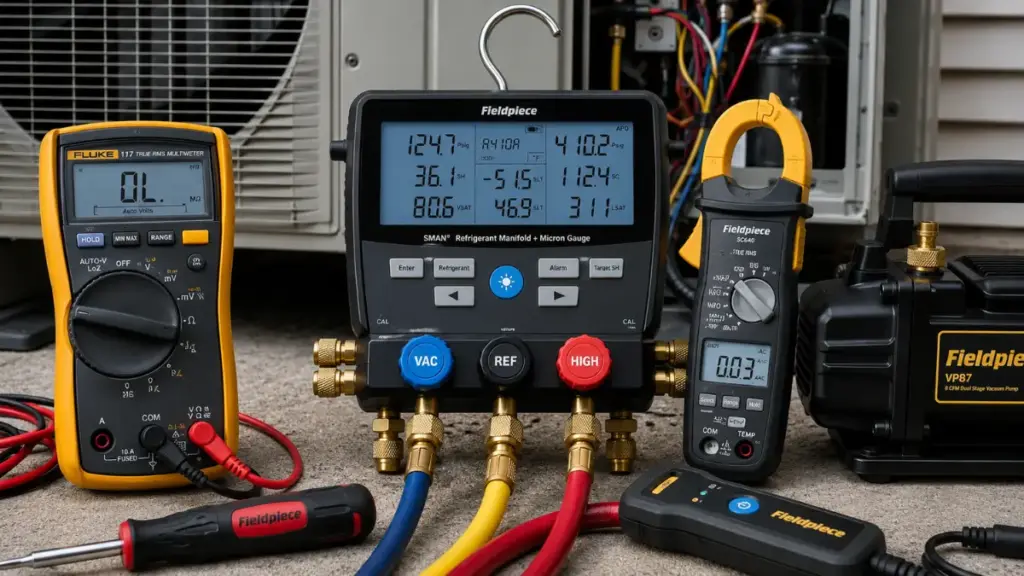
There is a segment of the population that believes in “hands-off” ac unit maintenance. They argue that unless you have specialized tools for refrigeration, you should only touch the filters and the exterior housing. Looking at the data, they are not entirely wrong. If you lack the tools to verify charge levels or electrical continuity, poking at the internal components is a high-risk endeavor that rarely yields long-term benefits.
Comparing the cost of “learning by breaking” versus preventive professional service
Is ac unit maintenance actually cheaper when you do it yourself? If you ruin your unit’s fins, cause a water leak, or blow a capacitor because you didn’t know how to discharge it, the answer is a resounding no. The cost of a professional tune-up—which includes testing the refrigerant charge and checking electrical contacts—is often less than the cost of a new window unit installed every two years.
Final verdict: the pragmatic maintenance plan for the modern homeowner
True ac unit maintenance is not about constant tinkering; it is about consistent, low-impact monitoring. Clean your filters regularly, keep the exterior coil free of debris, ensure your drainage is pitched correctly, and seal the gaps with high-quality materials. Everything else should be reserved for visual inspection.
Read more: Best portable air conditioner: Real-world rankings and the truth about brand longevity
| Task | Frequency | Impact on Longevity |
| Filter Cleaning | Monthly | High |
| Coil Debris Removal | Bi-Annually | Very High |
| Condensate Drain Check | Start of Season | Critical |
| Seal Inspection | Start of Season | Medium |
| Capacitor Check | Yearly (Professional) | High |
Read more: You Are Poisoning Your Body While Trying to Cool Down: 4 Fatal Summer Cooling Mistakes.
Q&A: Addressing the community pain points
Q: Can I use a garden hose on my coils?
A: Only if you have a spray nozzle that can be adjusted to a fine mist. Never use a high-pressure jet, as it will flatten the fins and permanently lower your ac unit maintenance efficiency.
Q: Should I drill a hole to fix drainage?
A: Absolutely not. Modifying the base pan will cause internal leaks and void your warranty. Focus on cleaning the existing port instead.
Q: Why does my room feel humid even when the AC is running?
A: Often, this is due to improper sealing. If hot outside air leaks through gaps around the unit, it overpowers the dehumidification process, a common failure in ac unit maintenance plans.
Conclusion
Understanding the real-world risks and rewards of ac unit maintenance allows you to navigate the line between proactive care and destructive interference. By respecting the mechanical design and focusing on airflow and sealing, you ensure that your investment lasts.
LEAVE A COMMENT FOR FREE EXPERT CONSULTATION OR FOLLOW THE COUCH INSIDER WEBSITE TO STAY UPDATED WITH THE LATEST KNOWLEDGE.