


You are doing everything right—sleeping 8 hours, working out, and stepping away from your desk—yet the deep, bone-crushing fatigue remains. You are struggling with getting enough rest because you are likely treating your nervous system like a machine that only needs a power-off button. This article exposes the uncomfortable truths about why traditional rest fails and how real people actually reclaim their energy.
- The uncomfortable truth: Why your “rest” is actually a high-stimulus trap
- The “Broken Battery” syndrome: When sleep is not the cure
- The social cost of getting enough rest: Dealing with the guilt
- Chronic fatigue or hidden health killers? What mainstream media hides
- Rethinking recovery: Why you need to unmask and stop “faking” energy
- Practical “Low-Input” protocols for the modern burnout
- When to stop self-diagnosing and see a pro
- Conclusion
The uncomfortable truth: Why your “rest” is actually a high-stimulus trap
Read more: Alone at 4 AM? The 10-Minute Stroke Survival Protocol to Save Your Life.
Most people confuse being sedentary with being rested. When you finish a draining workday, your instinct is to collapse onto the couch and scroll through social media or play video games for hours. You believe you are getting enough rest, but your brain is actually receiving a constant stream of visual and auditory inputs.
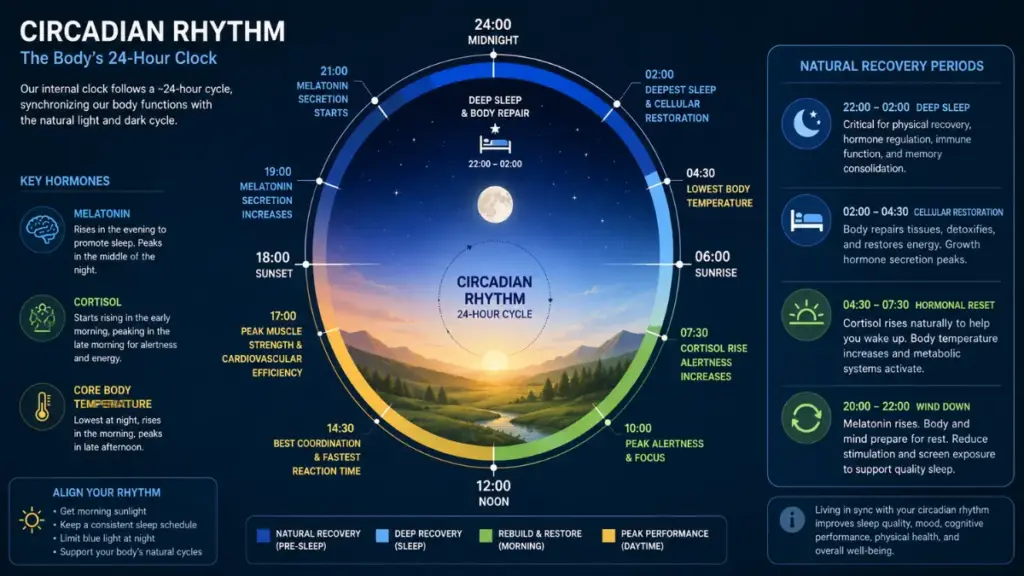
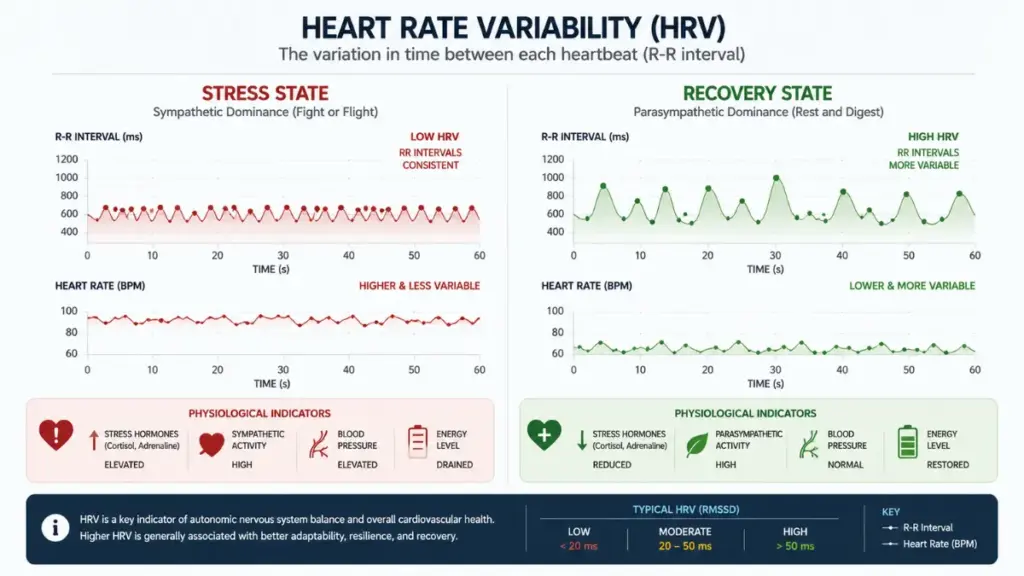
Neurologically, this is not rest. It is a high-stimulus engagement that prevents your parasympathetic nervous system from ever kicking into gear. You are not recharging; you are just switching the type of work your brain is doing. True recovery requires the total cessation of external input, which is a concept that modern digital life makes nearly impossible to achieve.
The “Broken Battery” syndrome: When sleep is not the cure
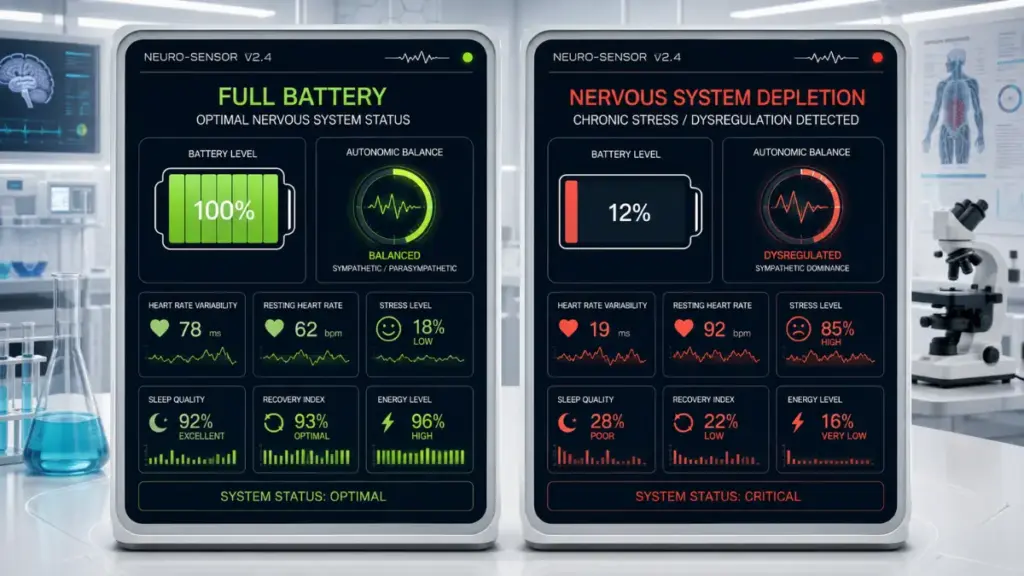
Many individuals report a phenomenon best described as “Broken Battery Syndrome.” You might sleep for 9 hours, yet you wake up feeling like your internal energy storage has leaked out overnight. If you find yourself consistently getting enough rest by the clock, yet feeling like you are operating at 20% capacity, you may have a fundamental mismatch between your neurotype and your lifestyle demands.
For some, the capacity to recover is genetically or neurologically limited. You cannot force a specialized nervous system to behave like a standard one. When you push past these limits, you do not just get tired; you shut down. This shutdown is a biological defense mechanism, not a lack of willpower, and it highlights why you might be struggling with getting enough rest despite your best efforts to maintain a normal schedule.
The social cost of getting enough rest: Dealing with the guilt
The biggest barrier to getting enough rest is the pervasive social guilt attached to it. Society rewards the hustle and views a “do-nothing” day as a character flaw rather than a biological necessity. When you reach a point where you need to completely disconnect for 48 hours just to function, you face the judgment of peers who demand constant availability.
This guilt creates a vicious cycle. You take your rest day, but because you feel guilty, you don’t actually let your brain switch off. You check emails, worry about chores, or apologize for your absence, which prevents you from getting enough rest. Ultimately, this heavy emotional labor negates the benefits of the time you took off, leaving you even more depleted.
Chronic fatigue or hidden health killers? What mainstream media hides
While media outlets focus on sleep hygiene, they rarely discuss the “hidden killers” of energy that real users encounter. You might be getting enough rest, but your environment is actively poisoning your energy reserves. Issues like poor air quality in urban apartments, undetected mold toxicity, or chronic sub-clinical inflammation can mimic burnout.

Furthermore, many people are living with undiagnosed deficiencies in ferritin, Vitamin B12, or thyroid function. These are not always flagged in standard blood panels unless you specifically ask for them. If your fatigue is persistent, you must move beyond the “get more sleep” advice and look at your blood markers and living environment.
More Read

Read more: You Are Poisoning Your Body While Trying to Cool Down: 4 Fatal Summer Cooling Mistakes.
Rethinking recovery: Why you need to unmask and stop “faking” energy
One of the most exhaustive activities you perform is “masking”—the effort to appear energetic and normal when your system is screaming for downtime. If you are getting enough rest but still feel drained, check if you are spending your waking hours performing a role.
Unmasking involves acknowledging your specific energy needs without trying to fit into a standard 5-day work week if your body cannot handle it. For many, transitioning to a 4-day week is not a career demotion—it is a vital energy-preservation strategy that allows for sustainable productivity.
“True rest is not just the absence of activity, but the active regulation of your nervous system in a low-stimulus environment.”
Ri
Practical “Low-Input” protocols for the modern burnout
The 30-minute nature walk
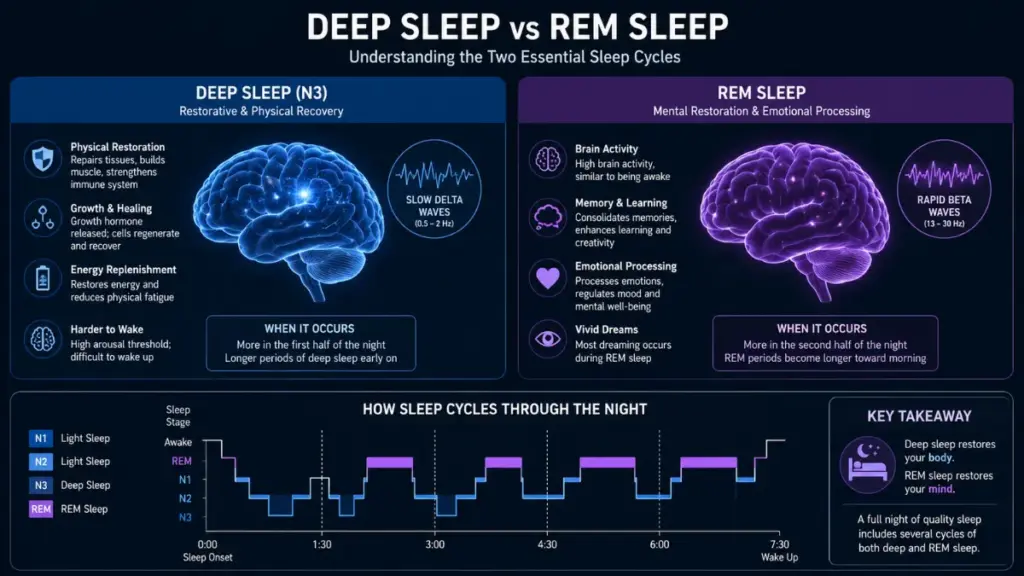
Human brains are evolved for nature, not blue light. A 30-minute walk in an environment with trees or water—without a phone—allows your brain to enter a “soft fascination” state. This is the only time your prefrontal cortex truly stops working, which is vital for getting enough rest.
Sensory deprivation as a tool
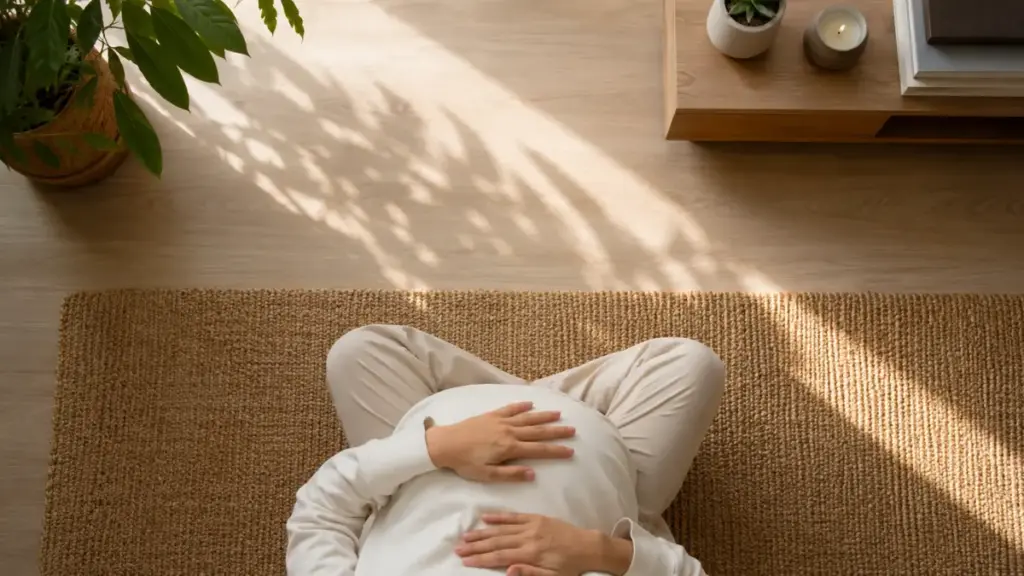
If your job is high-stimulus, your downtime must be the opposite. This means silence. No music, no podcasts, no screens. Just sitting in a dark, quiet room. It sounds boring, but that boredom is exactly what your nervous system needs to calibrate.
When to stop self-diagnosing and see a pro
There is a point where no amount of “low-input” living will solve your exhaustion. If you have optimized your sleep, diet, and sensory input but remain chronically fatigued, stop self-diagnosing. You could be dealing with sleep apnea, autoimmune disorders, or clinical depression.
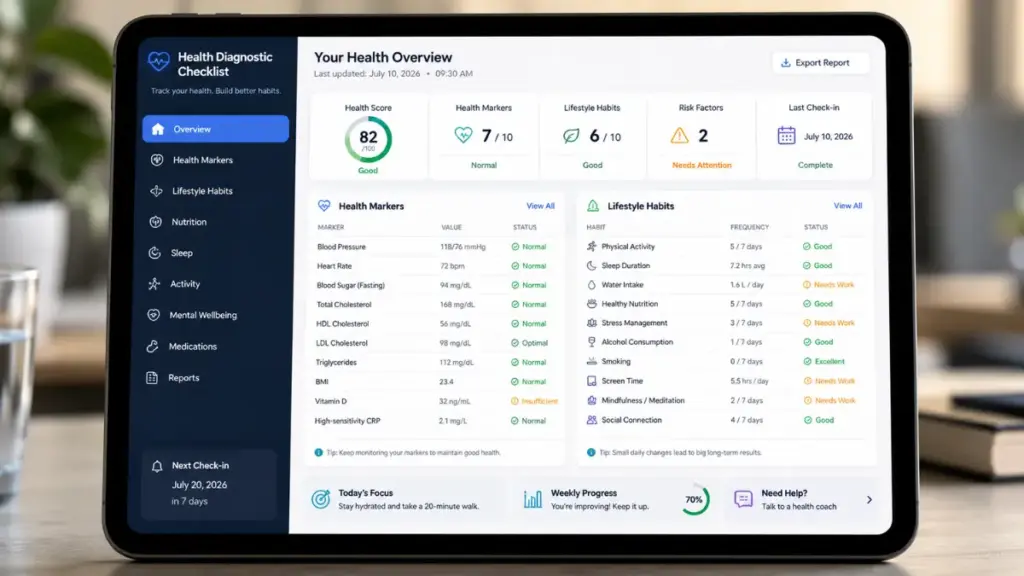
Getting a professional to order a comprehensive blood panel—checking testosterone, iron, thyroid, and vitamin levels—is a proactive step. Do not view this as an admission of defeat; view it as gathering data to help you succeed in getting enough rest.
Read more: 10 Harsh Realities of Insomnia After Chemotherapy and How Survivors Actually Cope.

Conclusion
The pursuit of getting enough rest is not a luxury; it is the fundamental maintenance required for a high-functioning life. You must stop equating inactivity with recovery and start treating your nervous system with the precision it requires. If you are struggling, remember that the goal is not to “fix” yourself to fit into a system that burns people out, but to build a lifestyle that supports your biological reality.
LEAVE A COMMENT FOR FREE EXPERT CONSULTATION OR FOLLOW THE COUCH INSIDER WEBSITE TO UPDATE THE LATEST KNOWLEDGE.