



Checking a high letter grade online before choosing a healthcare facility can give you a false sense of security during a medical emergency. Assuming that top scores automatically guarantee flaw-free care and failing to realize how official hospital safety ratings overlook key clinical variables like staff burnout and ER cross-infection risks means you could face unexpected medical errors.
- The Illusion of Official Hospital Safety Ratings and Media Headlines
- Unmasking the Flawed Metrics Inside Hospital Safety Ratings
- Insider Perspectives on Why Hospital Safety Ratings Fail to Show Operational Stress
- Patient Communities Deconstruct Hospital Safety Ratings with Real-World Experiences
- Practical Emergency Strategies to Protect Yourself Beyond Hospital Safety Ratings
- Frequently Asked Questions About Hospital Safety Ratings
- Navigating Healthcare Safety Beyond Public Ratings
Protecting yourself or a loved one during an emergency admission requires looking beyond high-level administrative scores. By exploring how patient communities decode hidden rating criteria, analyzing the real-world impact of healthcare worker fatigue, and mastering 5 actionable self-advocacy steps for emergency hospital stays, you can navigate your hospital visit safely and protect your health.
The Illusion of Official Hospital Safety Ratings and Media Headlines
Official metrics designed to evaluate clinical facilities often create a false sense of security for the public. Published scores transform immensely complex healthcare environments into simple, single-letter grades that news outlets broadcast without critical context. When searching for reliable hospital safety ratings, patients must understand that these scores represent retrospective administrative compilations rather than real-time guarantees of personal physical safety.
| Safety Rating Dimension | Official Grade Illusion (“A” Score) | Real-Time Ward Reality |
| Reporting & Staffing | High administrative compliance scores | Chronic nurse understaffing and burnout |
| Data & Operations | Delayed claims and billing metrics | High unmonitored cross-infection vectors |
| Monitoring & Response | Clean statistical aggregation on paper | Unaddressed patient call lights for long periods |
Why Headlines Focus Exclusively on Flashing D or F Grades
Media outlets naturally prioritize extreme score drops because sensational letter grades generate immediate public engagement and viral click-through rates. When local news broadcasts highlight a facility falling to a D or F grade, the reporting rarely explains the statistical methodology behind the evaluation. These headlines reduce hundreds of clinical operational variables into a single dramatic story, overlooking how minor documentation delays can drastically drag down a score without reflecting an immediate drop in clinical care standard.
Furthermore, consumer news coverage regularly ignores critical contextual factors such as hospital case-mix index, trauma facility designations, and patient socio-economic demographics. Safety evaluation systems heavily penalize safety-net facilities that treat highly vulnerable populations with multiple pre-existing conditions. As a result, news coverage creates a skewed narrative where well-funded elective surgical centers appear vastly safer than essential community safety-net hospitals that handle complex emergency presentations daily.

The Fundamental Gap Between Public Perception and Actual Clinical Care Quality
The general public operates under the reasonable assumption that a top-tier safety mark guarantees zero medical errors during emergency admissions. In practice, an elite score merely indicates that a facility’s quality assurance department excels at administrative data submission and compliance reporting. A patient entering an emergency room at peak capacity faces immediate clinical risks—such as delayed triage or missed medication windows—regardless of the facility’s pristine annual evaluation score.
High-performing specialty care centers and high-volume teaching institutions are often penalized by raw statistical aggregation models. A hospital managing high-risk organ transplants or complex multi-trauma cases naturally experiences higher complication rates than an ambulatory surgery center. Standard evaluation algorithms struggle to adjust fairly for these clinical realities, leaving patients with a distorted perception of actual bedside risk when evaluating national hospital safety ratings.
Unmasking the Flawed Metrics Inside Hospital Safety Ratings
To evaluate healthcare quality accurately, one must examine how scoring organizations collect, process, and weight clinical data. Most published safety figures reflect institutional record-keeping efficiency rather than direct observations of daily nursing practices or sanitation standards. Evaluating published hospital safety ratings requires understanding the inherent limitations of healthcare data collection systems.
| Data Processing Stage | Operational Action / Clinical Event | Data Status & Processing | Data Lag Duration |
| Stage 1 | Clinical Event Occurs | Initial ward logging | Real-Time |
| Stage 2 | Billing Claims Filed | Converted to insurance codes | Short-Term Lag |
| Stage 3 | Data Audit | Administrative chart review | Mid-Term Lag |
| Stage 4 | Processing & Analysis | Statistical algorithm runs | 12 to 24 Months Lag |
| Stage 5 | Public Release | Report published to media | 12 to 24 Months Lag |
| Stage 6 | Published Safety Score | Displayed on public portals | 12 to 24 Months Delayed |
Methodological Blind Spots in Standard Safety Scoring Algorithms
Standard safety scoring organizations rely heavily on billing claims data and self-reported administrative forms submitted by hospital risk management teams. Billing records are generated primarily for financial reimbursement rather than clinical safety tracking, meaning they capture financial coding precision rather than actual bedside outcomes. This lag in data processing means that a safety score published today often reflects hospital operating conditions from twelve to twenty-four months ago.

In addition, standard algorithms assign disproportionate statistical weight to formal documentation compliance over actual physical care delivery. A hospital with impeccably organized chart notes can maintain a top-tier rating despite systemic operational issues on the floor. Conversely, a unit with exceptional nursing care but understaffed administrative support may receive lowered scores due to incomplete digital documentation entries.
What Official Metrics Miss Regarding Daily Hospital Operations
Near-miss events—such as incorrect drug dosages caught by a nurse seconds before administration or improper equipment sterilization noticed before surgery—are rarely captured in public datasets. Because hospitals face severe financial penalties and legal liability when reporting errors, institutional risk managers are incentivized to classify incidents narrowly. This systemic underreporting obscures recurring operational vulnerabilities that compromise daily patient safety.
Static annual scores fail completely to account for real-time ward volatility during seasonal flu surges, local emergency crises, or sudden staffing shortages. A facility rated at the top of national standards can experience catastrophic operational failure during a night shift if nurse-to-patient ratios collapse. Relying solely on historical hospital safety ratings leaves patients unaware of the acute staffing and resource pressures occurring on the floor right now.
Insider Perspectives on Why Hospital Safety Ratings Fail to Show Operational Stress
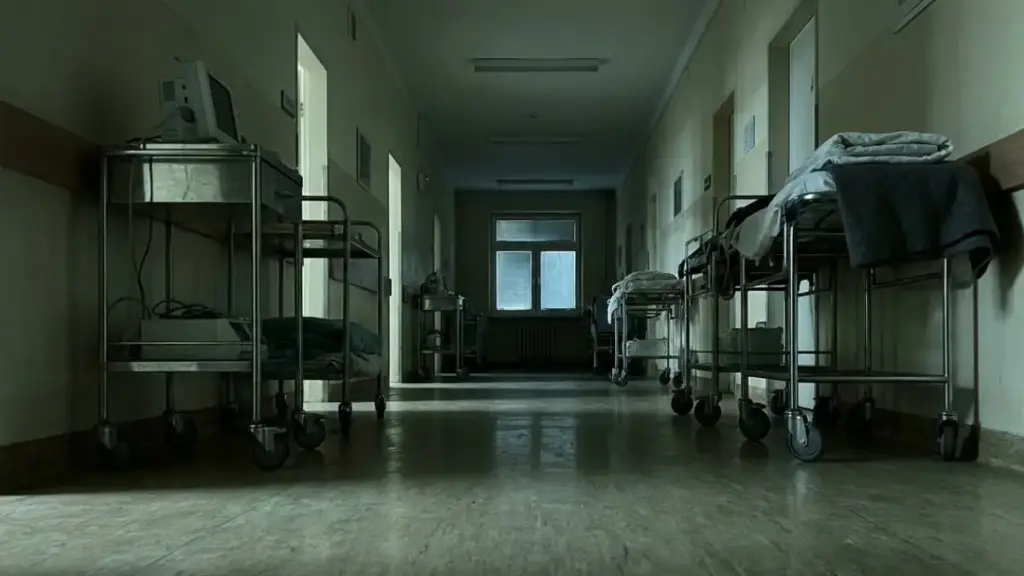
Healthcare workers operating inside emergency departments and inpatient wards experience operational realities that paper audits cannot capture. Nurses, technicians, and resident physicians regularly observe how administrative pressure to maintain high public scores conflicts with floor realities. True operational health is determined by human resources, shift fatigue, and physical sanitation maintenance—factors routinely obscured within national hospital safety ratings.
| Safety Metric Component | What Public Scores Show | What Insiders Experience |
| Nurse-to-Patient Ratios | Average annual ratio calculations | Severe night-shift staffing shortages |
| Infection Control | Protocol documentation compliance | Rushed room turnover times between admissions |
| Near-Miss Reporting | Low recorded incident numbers | Fear of institutional liability suppressing reports |
| Medication Safety | Automated dispensing system usage | Delayed delivery caused by pharmacy bottlenecks |
The Hidden Epidemic of Staff Burnout and Unsafe Nurse-to-Patient Ratios
Chronic understaffing represents the single greatest threat to inpatient safety, yet public scorecards struggle to measure real-time floor staffing levels accurately. When a single registered nurse is assigned to care for eight or nine complex medical patients simultaneously, critical nursing duties are inevitably delayed. Nurses forced to operate under these condition must prioritize basic stabilization, leaving little time to monitor subtle changes in patient vital signs.

Exhausted medical teams operating under severe cognitive fatigue are statistically more likely to commit medication errors, overlook sanitation steps, and miss early indicators of clinical decline. Despite the direct link between nurse fatigue and adverse patient outcomes, official evaluation algorithms evaluate staff numbers as static annual averages. Consequently, a facility can maintain an elite score while running critically unsafe nurse-to-patient ratios on night and weekend shifts.
Navigating the complex healthcare landscape requires looking past superficial administrative marks to uncover true clinical quality on the floor. Equipping yourself with active advocacy strategies and critical observational skills ensures that your physical safety remains protected, regardless of published hospital safety ratings.
Ri
Unseen Transmission Chains and Healthcare-Associated Infection Risks
Environmental sanitation relies on dedicated housekeeping personnel who are frequently subjected to severe time constraints. When hospital management prioritizes rapid bed turnover times to maximize patient admissions, environmental services staff are forced to clean rooms in fractions of the recommended time. This rushed sanitization process leaves unseen viral and bacterial pathogens on high-touch surfaces, including call buttons, bed rails, and IV poles.

Cross-contamination vectors proliferate rapidly in overcrowded emergency department waiting areas and high-volume triage units. When patients infected with contagious respiratory or gastrointestinal illnesses share unventilated spaces with immunocompromised individuals, transmission risks surge. These localized outbreaks are rarely reflected in public metrics until months after infection chains have spread, rendering public hospital safety ratings ineffective for real-time infection avoidance.
Patient Communities Deconstruct Hospital Safety Ratings with Real-World Experiences
Online patient advocacy groups and healthcare forums have emerged as powerful platforms for uncovering the truth behind official clinical metrics. On platforms like Reddit, verified medical professionals and former patients share candid experiences that challenge polished corporate public relations narratives. Analyzing these community discussions provides crucial context that traditional hospital safety ratings systematically fail to provide.
More Read

| Healthcare Evaluation Focus | Official PR Claims | Reddit Insider Revelations |
| Safety Standards | Top-ranked overall safety scores | Pre-audit prep distorts operational realities |
| Infection Control | Low recorded incidence rates | Rushed room turnover leads to missed sanitation |
| Care Quality | Modern state-of-the-art care | Severe weekend understaffing creates care gaps |
Insights from Reddit Communities on the True Value of Leapfrog Grades
Discussions across medical forums frequently highlight how healthcare management teams prepare for predictable safety audits. Registered nurses describe intense institutional efforts to audit medical charts, clean visible public corridors, and temporarily adjust nurse staffing ratios specifically during evaluation periods. Once the audit window closes, floor staffing routinely returns to baseline levels, demonstrating that high grades often reflect audit preparation rather than daily standard operating procedures.

Patient anecdotes posted online frequently contrast top-tier hospital grades with severe care breakdowns experienced during personal hospital stays. Individuals detail long delays in receiving prescribed pain medications, unanswered call lights lasting for hours, and unmonitored patient falls in rooms located far from nursing stations. These personal accounts serve as an essential reality check against over-reliance on published administrative hospital safety ratings.
Crowd-Sourced Red Flags to Watch for Upon Hospital Admission
Community members and insider nurses have compiled practical observational indicators that immediately signal operational stress inside a medical facility. Upon entering an inpatient unit, observing cluttered hallway carts, dirty utility room doors propped open, or unorganized nursing stations provides immediate evidence of floor chaos. When nursing stations appear chaotic and disorganized, care coordination routinely suffers.
| Visual Red Flag Indicator | Threat Level | Real-World Ward Impact |
| Unanswered Call Lights | High | Prolonged delays (>15 mins) in responding to urgent patient needs |
| Cluttered Hallways | Medium | Abandoned supply carts blocking access and creating slip hazards |
| Bypassed Hand Hygiene | High | Clinicians entering patient rooms without sanitizing hands |
| Disorganized Stations | Medium | Overloaded administrative areas leading to communication errors |
Another major red flag is the ambient soundscape of the hospital unit. Continuous, unaddressed call bell alarms ringing across a floor indicate that nursing staff are overwhelmed and unable to respond promptly to patient requests. Furthermore, observing staff members moving quickly from room to room without pausing at hand-sanitizing stations signals that staff burnout has compromised basic hygiene practices, regardless of the published hospital safety ratings.

Read more: Say Goodbye to Joint Pain: 4 Life-Changing Older Adults Fitness Moves
Practical Emergency Strategies to Protect Yourself Beyond Hospital Safety Ratings
Relying on public grade cards is insufficient when facing an unexpected emergency room visit or planned surgical admission. Patients and their families must adopt proactive advocacy strategies to ensure clinical safety on the floor. Protecting yourself requires active involvement in care management rather than passive reliance on published hospital safety ratings.
Essential Steps to Take During Emergency Room Visits and Hospitalization
The most effective step a patient can take is designating a trusted family member or advocate to remain present throughout the hospital stay. An advocate serves as a critical secondary check against medical errors, taking notes on care plans, tracking medication times, and asking questions when treatments seem unfamiliar. Having an active advocate at the bedside significantly reduces the risk of oversight during busy shift changes.
| Step Number | Bedside Advocacy Action Item | Practical Execution Detail |
| 1 | Designate a Patient Advocate | Appoint a trusted family member to stay present and track care |
| 2 | Enforce Hand Hygiene | Politely ask staff to sanitize hands before touching the patient |
| 3 | Verify Medications Verbally | Confirm patient name, drug name, and exact dose prior to delivery |
| 4 | Maintain Independent Logs | Keep a written log of all administered medications and times |
| 5 | Clarify Unknown Procedures | Ask clinicians to explain the purpose of any new treatment plan |

Patients and advocates must also establish firm communication boundaries regarding personal hygiene and medication verification. Politely asking every clinician to sanitize their hands upon entering the room is a simple, evidence-based intervention that prevents healthcare-associated infections. Additionally, requesting nurses to state the name and intended purpose of every medication before administration prevents costly drug mix-ups, ensuring safety beyond official hospital safety ratings.
How to Evaluate Local Healthcare Facilities Beyond Official Ratings
When researching local medical centers for planned procedures, combine official metrics with independent data sources. Examine specific clinical outcome metrics—such as 30-day readmission rates for specific conditions, surgical site infection percentages, and nurse retention rates—rather than relying on overall letter grades. Specialty-specific data provides a far more accurate assessment of a department’s true capability.

Direct communication with your primary care physician or trusted attending specialists provides invaluable insider perspective. Physicians regularly admit patients to multiple local facilities and possess firsthand knowledge regarding floor conditions, nursing quality, and surgical staff efficiency. Gathering qualitative professional feedback alongside empirical data enables patients to make informed healthcare choices independent of marketing-driven hospital safety ratings.
Frequently Asked Questions About Hospital Safety Ratings
What do hospital safety ratings actually measure?
Standard scoring systems measure a combination of administrative processes, patient outcome records, billing claims, and self-reported compliance data. They focus on structural safety protocols, healthcare-associated infection reporting, and surgical error documentation. However, they struggle to capture real-time floor staffing, staff burnout levels, or immediate daily hygiene compliance.
Can a hospital with an A rating still be unsafe?
Yes. An high safety score indicates strong historical compliance and effective data reporting, but it does not guarantee safe conditions on any specific shift. Severe understaffing, sudden emergency overcrowding, or individual clinician errors can occur in top-rated facilities, making active personal advocacy essential regardless of the grade.
Where can I find reliable independent data on local hospital quality?
Patients can consult Medicare’s Care Compare tool, state department of health inspection reports, and specialized clinical outcome databases. Combining these governmental databases with qualitative feedback from primary care physicians and verified patient advocacy forums offers a comprehensive view of local healthcare quality beyond commercial hospital safety ratings.
Navigating Healthcare Safety Beyond Public Ratings
Public safety scores offer a starting point for evaluating healthcare facilities, but they should never serve as the sole factor in medical decision-making. As patients and medical insiders continue to reveal, administrative scores frequently obscure critical operational vulnerabilities, including chronic nursing shortages, rushed sanitization, and infection transmission chains. Understanding the inherent limitations of standard scoring systems empowers consumers to evaluate medical facilities with healthy skepticism.
By recognizing physical red flags upon admission, maintaining active bedside advocacy, and consulting direct clinical outcomes alongside professional advice, patients can protect themselves effectively. Navigating the modern healthcare system requires shifting from passive reliance on marketing grades to active personal involvement in care delivery. Ultimately, informed advocacy and real-time awareness provide the strongest safeguard for your health when entering any medical facility, regardless of its official hospital safety ratings.
PLEASE LEAVE A COMMENT TO SHARE YOUR FAVORITE THOUGHTS OR FOLLOW OUR BLOG FOR THE LATEST UPDATES.