


Searching for the best portable air conditioner is a minefield. Marketing brochures promise silent operation and effortless cooling, but the reality inside thousands of homes tells a different story. If you are tired of reading “sponsored” top-10 lists, you are in the right place. This guide is built from the ground up using thousands of hours of real-world user data—documenting what actually survives a heatwave, what breaks within two summers, and what truly makes the neighbors complain about the noise.
- The truth about brand reliability: Why your neighbor’s unit lasted 15 years
- Comparison Table: Real-world performance vs “Paper specs”
- The “Big Three” breakdown: Midea, Whynter, and Frigidaire
- Brands to avoid: The “disposable” units
- What real users actually regret after buying
- How to spot a “rebadged” unit
- Final decision matrix: Matching your lifestyle
- The DIY “Pro” modifications
- Pro-Tips:
- Conclusion: The top 3 units worth your money in 2026
The truth about brand reliability: Why your neighbor’s unit lasted 15 years
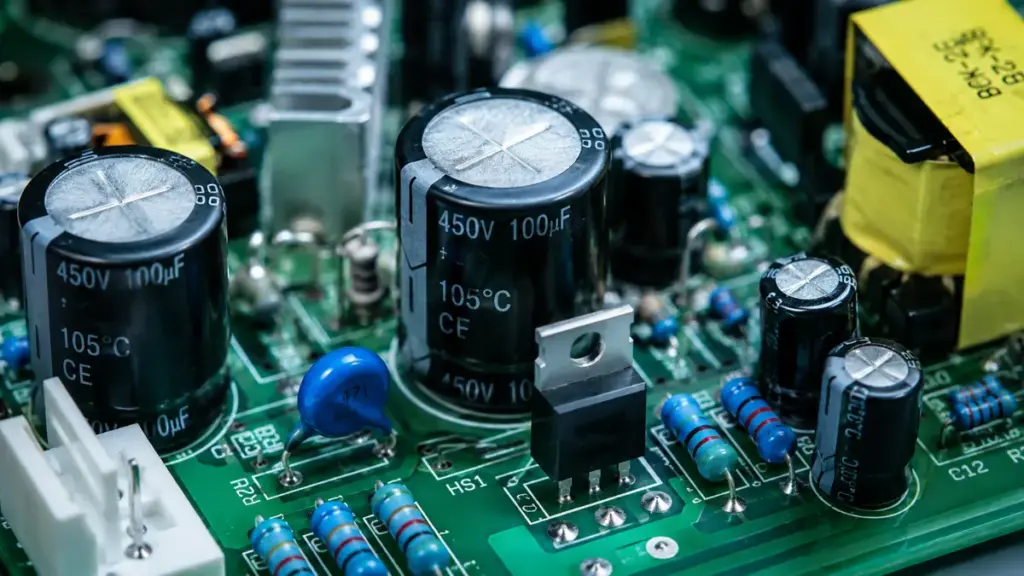
The industry has shifted significantly over the past decade. Many users report that legacy units, such as 16-year-old Frigidaire models, still perform exceptionally well in three-season rooms, whereas modern units often suffer from capacitor failures on circuit boards after just two seasons. When looking for the best portable air conditioner, longevity is a function of compressor quality and internal drainage management.
Read more: You Are Poisoning Your Body While Trying to Cool Down: 4 Fatal Summer Cooling Mistakes.
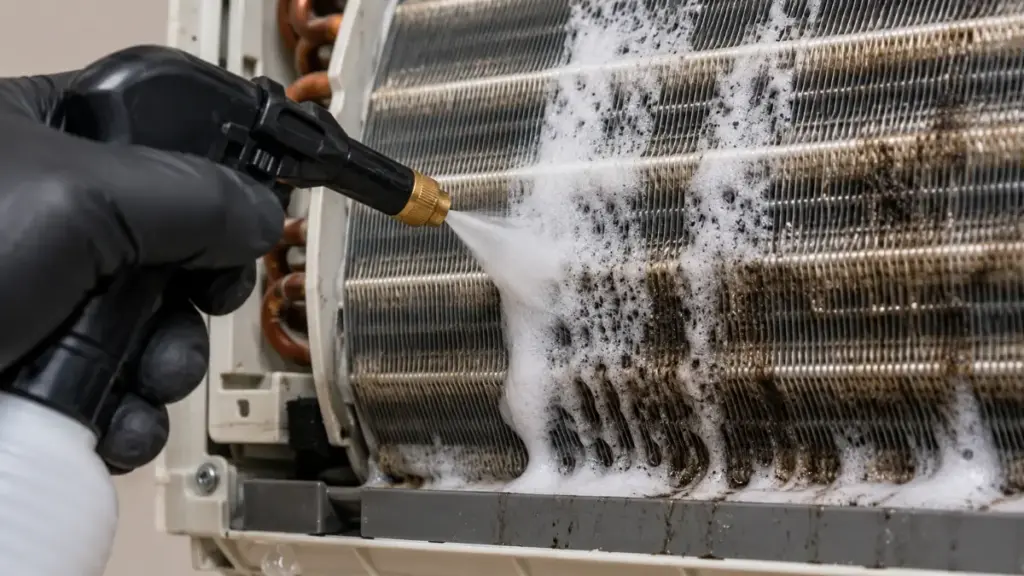
Users who prioritize reliability emphasize the importance of checking internal components. Models that are easy to open for coil cleaning tend to last significantly longer than “sealed” units that trap dust and humidity. If you want the best portable air conditioner for the long haul, look for brands that offer modularity or have a history of spare parts availability.
Comparison Table: Real-world performance vs “Paper specs”
While manufacturers boast about BTU ratings and decibel levels for every AC portable air conditioner, these laboratory numbers rarely align with the reality of a sweltering July afternoon in a 300-square-foot room. Most users find that the advertised cooling capacity of their AC portable air conditioner is often exaggerated, leading to a room that never quite reaches the desired comfort level despite the unit running at full blast.
| Feature/Metric | Midea Duo (Inverter) | Whynter ARC Series | Legacy Frigidaire | Generic 1-Hose Unit |
| Sleep Experience | Excellent (Inverter Quiet) | Poor (Loud Motor) | Poor (Industrial Fan) | Poor (Rattling Noise) |
| Real-World Cooling | High (Self-Adjusting) | Very High (Raw Power) | Medium (Consistent) | Very Low (Neg. Pressure) |
| Mold/Mildew Risk | Low (Auto-Dry Function) | Medium | Low (Easy Access) | Very High (Moisture Trap) |
| Drainage Convenience | Excellent (Auto-Pump) | Medium (Gravity/Bucket) | Low (Needs Hose) | Very Low (Manual Tank) |
| Component Longevity | High (Modern Tech) | Very High (Heavy Build) | Legendary (Built Tough) | Very Low (Circuit Failure) |
| Breaker Trip Risk | Low (Soft Start) | Medium (High Inrush) | High (Power Hungry) | Medium (High Current) |
| Hose Heat Leaching | Low (Hose-in-Hose) | High (Requires Wrap) | High (Requires Wrap) | High (Poor Quality) |
| Spare Parts Availability | Medium | High | Very Low | Non-Existent |
| User Satisfaction | Very High (Best Value) | High (Performance) | High (Reliability) | Very Low (Regret) |
| Cooling Speed | Fast (Inverter Boost) | Very Fast (High BTU) | Medium | Very Slow |
The “Big Three” breakdown: Midea, Whynter, and Frigidaire
Midea Duo: The current market leader
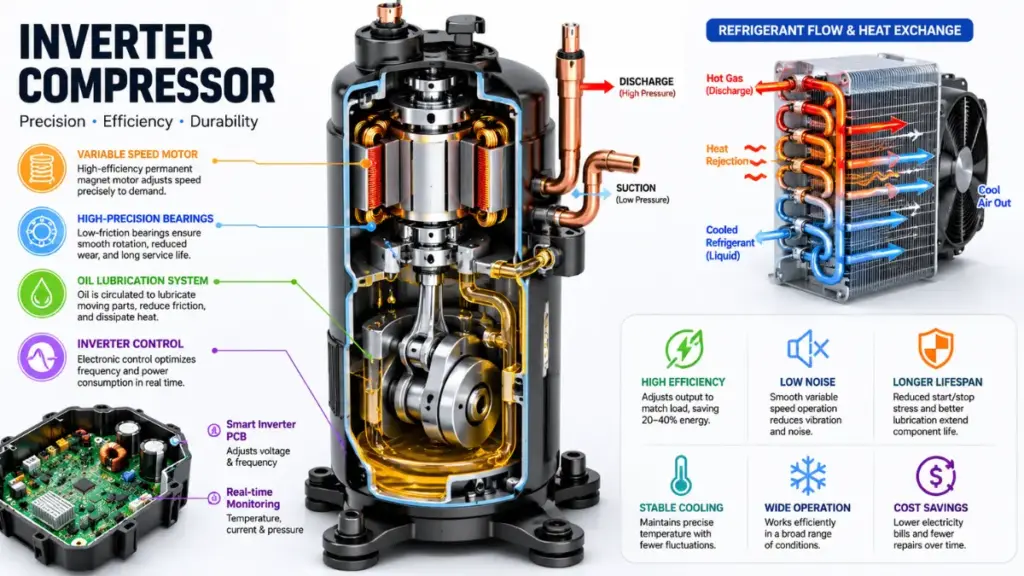
The Midea Duo is frequently cited as a game-changer for those who need the best portable air conditioner that utilizes inverter technology. Users report that it operates quietly after the initial cool-down phase. By adjusting compressor speed, it avoids the aggressive start-stop cycle that causes most noise. However, the complexity of its dual-hose design means it is more intricate to install in non-standard windows.
Whynter ARC: The heavy-duty workhorse
When people ask for the best portable air conditioner for large spaces (600+ sq ft), the Whynter ARC series is the consistent answer. It is unashamedly loud, but it moves massive volumes of air. The consensus is clear: if you need performance over silence, this is the machine for you. It is a “big girl,” as one user put it, but it handles extreme heat better than almost any other consumer-grade unit.
Frigidaire: The legacy stalwart
Frigidaire units are often viewed as the ‘dinosaurs’ of the industry—simple, loud, and effective. While the design of a modern AC portable air conditioner from Frigidaire has changed significantly, many households still rely on older, single-hose Frigidaire models that seem immune to heat death. If you are searching for the best AC portable air conditioner and happen to find a refurbished or older unit, it often represents far better value than a flashy, feature-heavy modern equivalent that may fail after just one season.
Brands to avoid: The “disposable” units
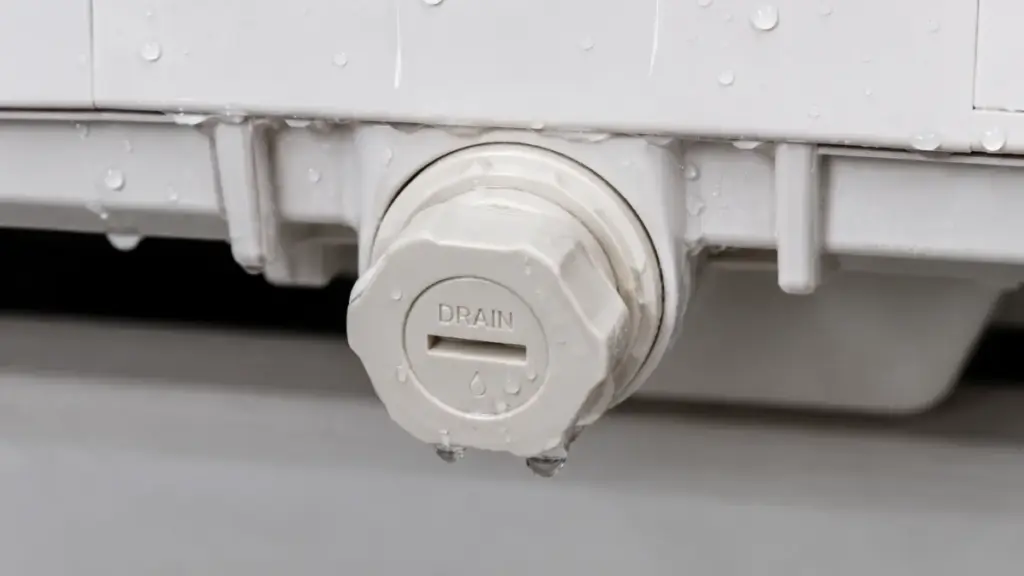
Not all units are created equal. The AC portable air conditioner market is saturated with rebranded, low-cost units that appear under different names but share the same flimsy plastic housing. Users frequently warn against any AC portable air conditioner that collects condensation in a tank requiring you to disconnect the entire unit to empty it. If an AC portable air conditioner forces you to unplug it and roll it to a staircase to drain a bucket, that specific model is failing you on basic usability and design efficiency.
Avoid units that lack proper insulation on their exhaust hoses. If the hose feels hot to the touch, you are losing efficiency, and the unit is essentially heating the room it is trying to cool. The best portable air conditioner is one that manages its thermal footprint, not one that radiates heat back into your sleeping space.
What real users actually regret after buying
The most common “buyer’s remorse” stems from the noise level. What sounds like a soft “white noise” in a showroom can feel like a plane taking off in a 16-square-meter bedroom. Users advise that if you are a light sleeper, you must prioritize units with inverter technology, regardless of the higher upfront cost.
Read more: AC portable air conditioner comparison: Real-world performance vs marketing myths.
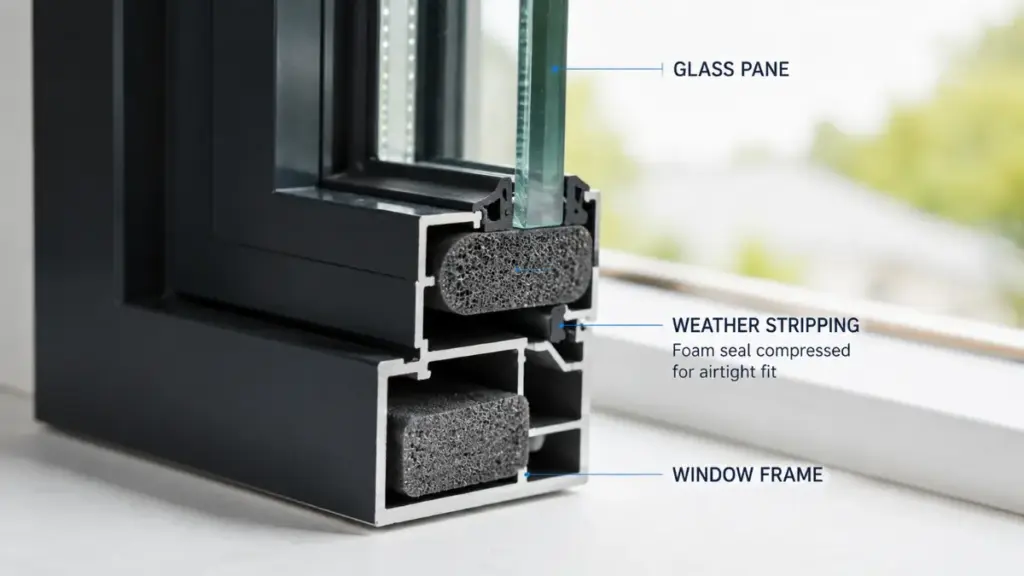
Another regret is the “negative pressure” trap. Users often fail to seal the window interface properly. Using a high-quality weather stripping kit or custom-cut acrylic makes the difference between an efficient cooling machine and one that just pulls hot, humid air from your kitchen and bathroom into your office.
More Read

How to spot a “rebadged” unit
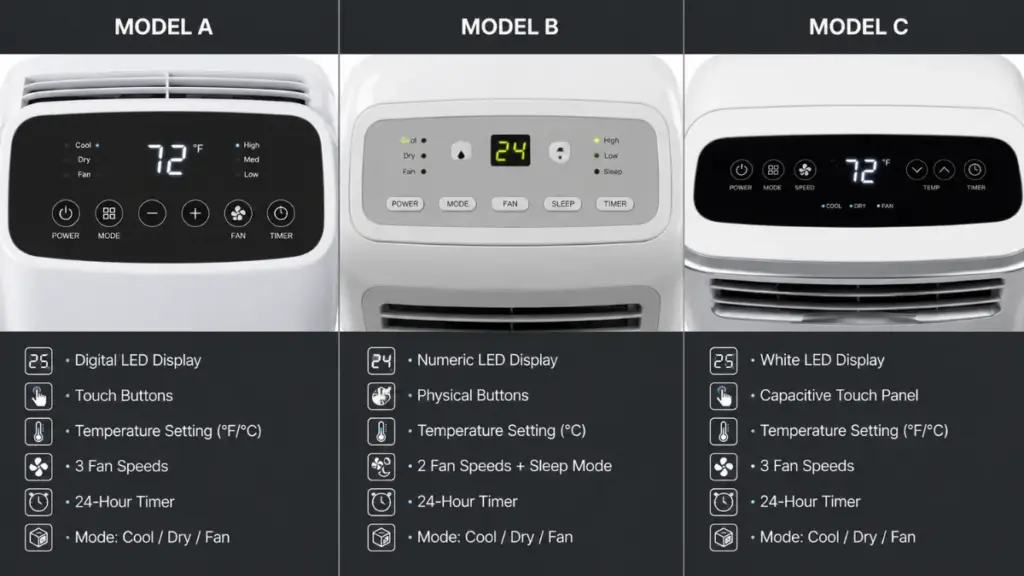
In the appliance world, many “brands” are simply white-labeled products sourced from the same factory. To identify the best portable air conditioner and avoid rebadged junk, look at the exhaust hose connector shape and the layout of the digital interface. If two different brands look identical in their control panel, they are likely identical under the hood. Stick to brands that control their own R&D, as they are more likely to have optimized airflow designs.
Final decision matrix: Matching your lifestyle
- For the Light Sleeper: Invest in the Midea Duo or a portable split system. The inverter compressor is not a luxury; it is a necessity.
- For the Office/Garage Workspace: Go for the Whynter ARC series. You need raw power, and the noise of the compressor is less of an issue in an active workspace.
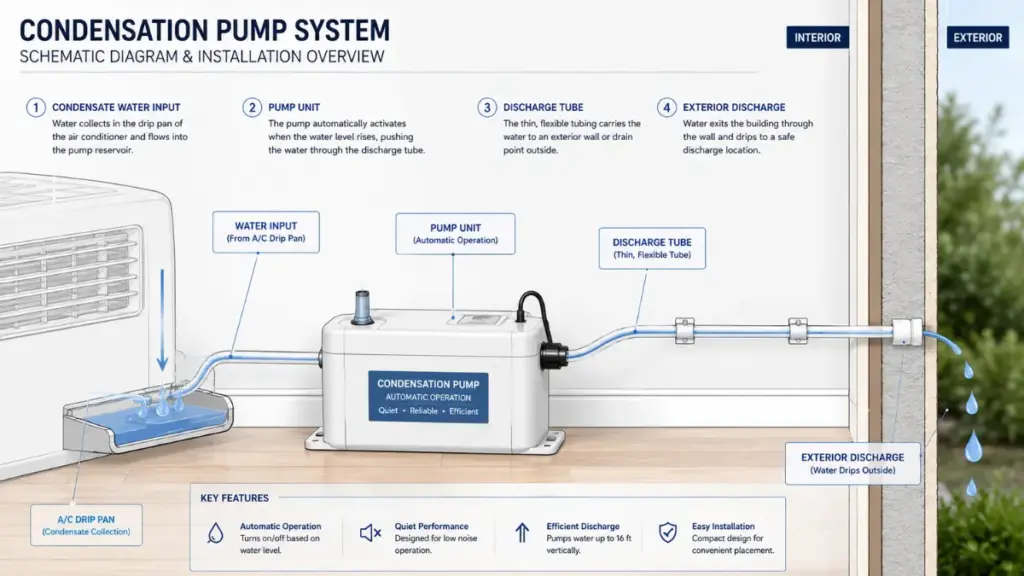
- For the High-Humidity Apartment: Seek out units with a built-in condensation pump. Emptying a bucket every four hours is not sustainable for a long-term cooling solution.
The DIY “Pro” modifications
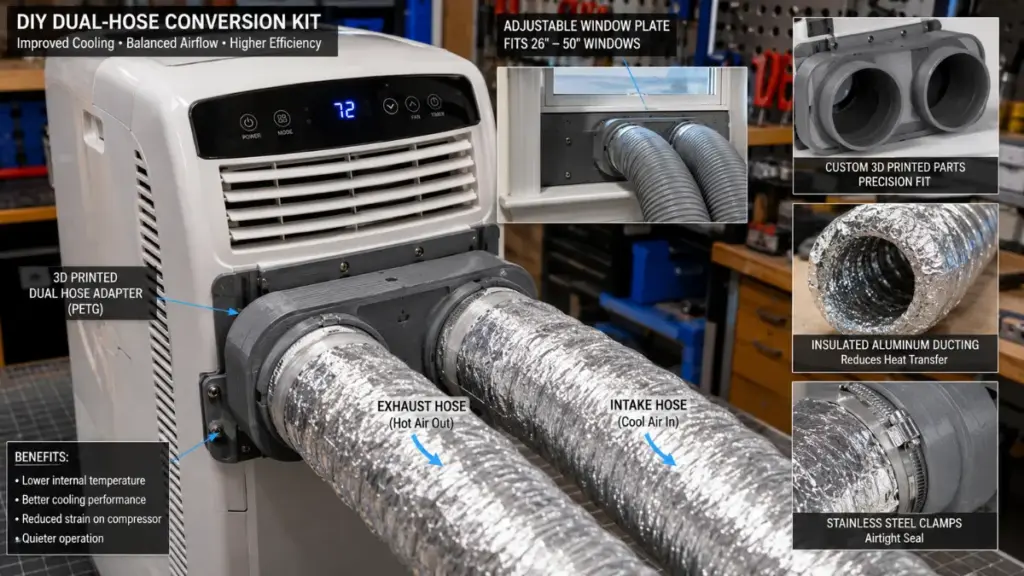
Even the best portable air conditioner can be improved. Users on specialized forums have perfected the “dual-hose conversion.” By taking a single-hose unit and adding an intake hose for the condenser, you effectively eliminate the negative pressure problem.
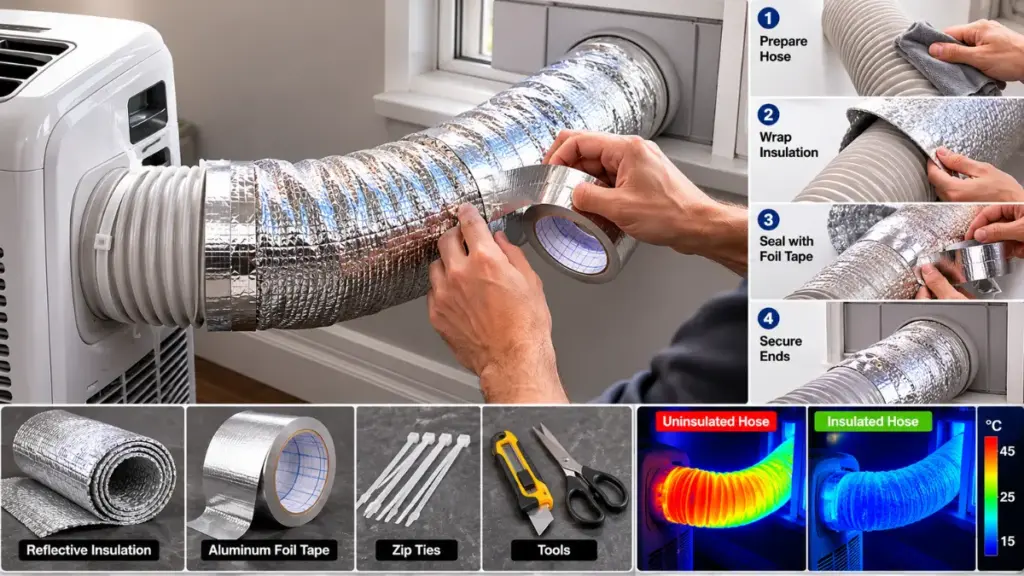
Furthermore, wrapping your exhaust hose in high-R-value thermal insulation sleeves is the easiest “hack” to gain 10-15% more cooling power. Many users ignore this simple step, essentially paying 15% more on their electricity bill just to combat the heat leaching from their own exhaust pipe.
Pro-Tips:
1. Reality Check – The Casement Window Hack:
Do not rely on the flimsy plastic kit included with your unit. If you have casement windows, measure your window frame and order a custom-cut, clear acrylic panel from a local fabrication shop. Seal this panel into the window frame and cut a precise hole for your exhaust hose. This is the only way to eliminate hot air infiltration and can reduce unit vibration and noise by up to 20%.
2. Warning – The “Disposal” Trap:
Avoid any unit that lacks a built-in condensation pump if you live in a climate with humidity above 60%. These units often require manual drainage every 4-6 hours. If you must buy one, commit to a routine of using a large external bucket, or you will find yourself unplugging the unit and lugging it across the room multiple times a day just to empty a tank.
3. User Tip – The “White Noise” Trade-off:
Many experienced users argue that the mechanical drone of older, heavy-duty units like the Whynter ARC or legacy Frigidaire models is actually an advantage for light sleepers. While inverter units are quieter, the sudden change in motor speed can be jarring. If you have trouble sleeping, the consistent, heavy white noise of a high-powered, fixed-speed unit can actually act as a sleep aid, masking exterior city sounds more effectively than a modern, variable-speed machine.
Conclusion: The top 3 units worth your money in 2026
If you are looking for the absolute best portable air conditioner, the market rewards those who do their homework. The Midea Duo (Inverter) is the top choice for those who value quietness and overall efficiency. The Whynter ARC series takes the crown for raw cooling power in large, demanding environments. Finally, look for refurbished legacy Frigidaire units if you are on a tight budget and want a machine that is built to last.
Stop looking for the cheapest sticker price. Look for the cost-per-season. A $500 unit that lasts five years is a far better “deal” than a $250 unit that requires replacement after two summers. Protect your sleep, save your energy bills, and choose wisely based on your actual room conditions rather than the marketing fluff.
LEAVE A COMMENT TO GET EXPERT ADVICE OR FOLLOW THE COUCH INSIDER TO GET UPDATED ON THE LATEST KNOWLEDGE.