

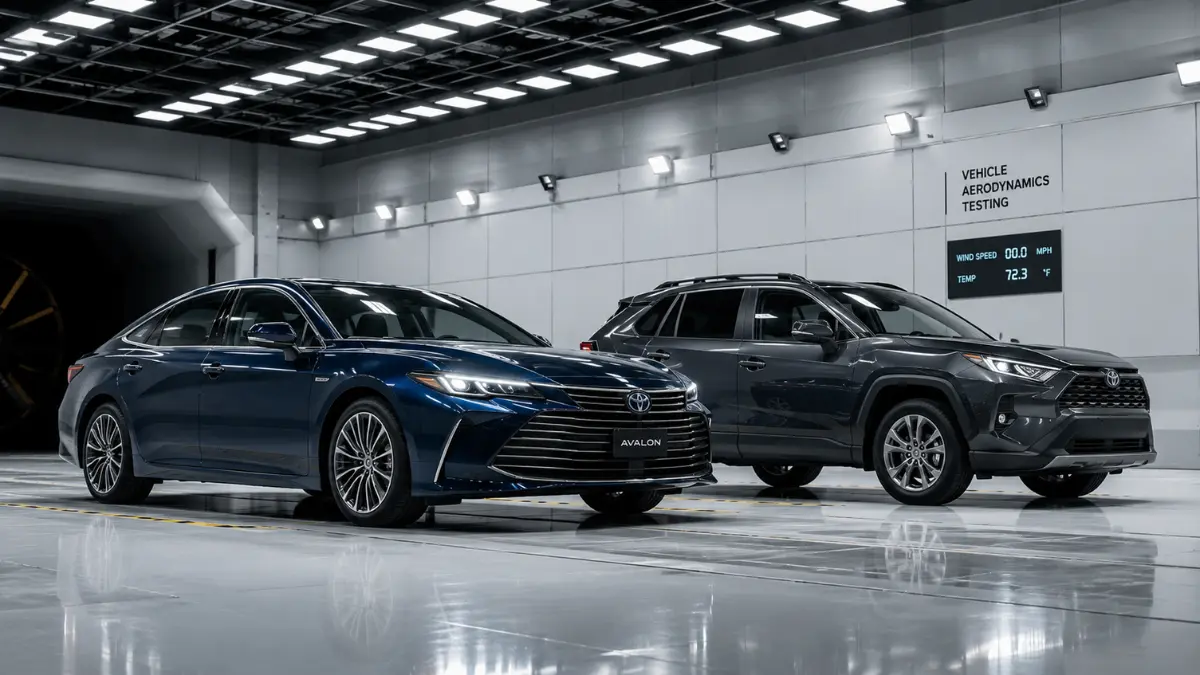

Navigating the contemporary automotive marketplace presents a frustrating dilemma for prospective vehicle buyers seeking comfort, reliability, and value. Showroom floors are dominated by compact crossover SUVs that frequently carry steep dealer markups, aggressive financing interest rates, and premium retail price tags.
- The Unseen Shift in the Full-Size Sedan Segment vs Compact SUVs
- Overcoming the Grandpa Car Myth Around the Toyota Avalon
- Maintenance Cost Comparison: Toyota Avalon vs Modern Compact SUVs
- Buyer’s Guide: Toyota Avalon Generations and Models to Watch
- Practical Steps Before Buying a Used Toyota Avalon
- Conclusion on the Toyota Avalon Full-Size Sedan Value
Prospective buyers venturing into dealerships often encounter basic compact crossovers equipped with harsh plastic interior trims, noisy cabin acoustics, and small turbocharged four-cylinder engines. These compromises are frequently presented as necessary trade-offs simply to secure an elevated seating position and basic all-weather utility.
However, an overlooked opportunity remains within the pre-owned vehicle market. A pre-owned Toyota Avalon delivers refined executive transportation, serene cabin sound insulation, and exceptional powertrain durability for a fraction of the cost of a modern compact crossover.
By evaluating engineering metrics rather than marketing trends, savvy buyers quickly discover that the Toyota Avalon represents one of the most compelling values in the used vehicle market today.
The Unseen Shift in the Full-Size Sedan Segment vs Compact SUVs
The automotive industry has experienced a massive structural transformation over the past decade as consumer demand dramatically migrated toward crossovers and sports utility vehicles. This market evolution forced major manufacturers to systematically retire traditionally popular four-door passenger cars across North America.
As production shifted toward high-margin utility vehicles, the full size sedan market contracted rapidly, leaving extraordinary bargains behind in the secondary pre-owned marketplace.
Understanding these structural shifts reveals why executive sedans offer vastly superior material quality, ride refinement, and mechanical longevity when evaluated against higher-priced compact crossover alternatives.
Why Crossover Popularity Caused a Near-Luxury Market Collapse
The rapid decline of the full-size executive sedan was not driven by engineering deficiencies or poor mechanical reliability. Instead, aggressive manufacturer marketing convinced mainstream buyers that elevated ride height was an essential daily necessity.
As fleet sales and individual consumer orders plummeted for traditional flagship passenger cars, nameplates like the Chevrolet Impala, Hyundai Azera, and Kia Cadenza were quietly discontinued.
This industry-wide abandonment created a steep depreciation curve for used flagship sedans, resulting in an exceptional near luxury sedan value proposition for informed pre-owned buyers.
Because mainstream buyers consistently overlook four-door cars in favor of used crossovers, used executive sedans trade at substantial price discounts relative to their original manufacturing cost and underlying material quality.
The Hidden Value of the Toyota Avalon Over Overpriced SUVs
When visiting modern vehicle dealerships, buyers seeking popular compact crossovers routinely face aggressive sales tactics, mandatory dealer add-ons, and inflated sticker prices. Paying premium prices for entry-level crossovers often yields unrefined road manners and basic cabin appointments.
In stark contrast, choosing a pre-owned Toyota Avalon secures a vehicle originally designed to compete with entry-level luxury vehicles. The interior features real leather seating, soft-touch dashboard padding, double-stitched door panels, and spacious rear legroom that exceeds most midsize crossovers.
Underneath the bodywork, the Toyota Avalon utilizes a sophisticated multi-link rear suspension architecture rather than the cheap torsion-beam setups found in many budget crossovers. This sophisticated chassis geometry absorbs severe road imperfections smoothly while keeping body roll well controlled.
Furthermore, the elongated wheelbase of an executive flagship eliminates the pitch and heave motions commonly experienced in short-wheelbase compact SUVs when traversing uneven highway expansion joints.
Overcoming the Grandpa Car Myth Around the Toyota Avalon
A long-standing stereotype suggests that full-size flagship sedans are strictly intended for older drivers seeking soft, uninspiring transportation. This outdated perception actively deters younger buyers from considering one of the most practical vehicles on the market.
In reality, automotive enthusiasts and practical commuters in their twenties and thirties are increasingly seeking out the Toyota Avalon due to its unmatched balance of comfort, power, and bulletproof mechanical reliability.
Dispelling these cosmetic stereotypes allows buyers to appreciate the engineered excellence and surprisingly energetic performance built into every generation of this flagship sedan.
Real-World Comfort and V6 Performance for Drivers of All Ages
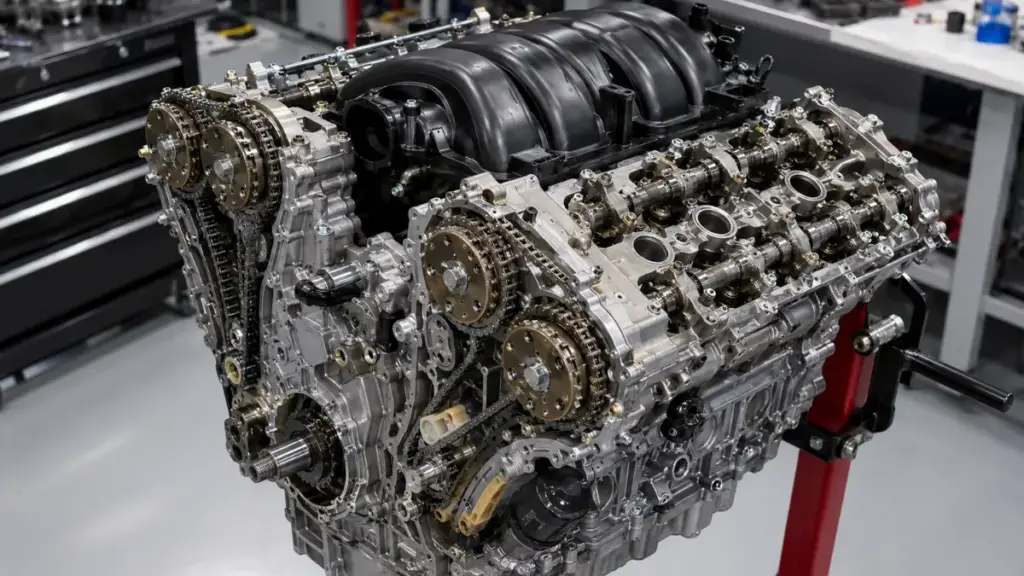
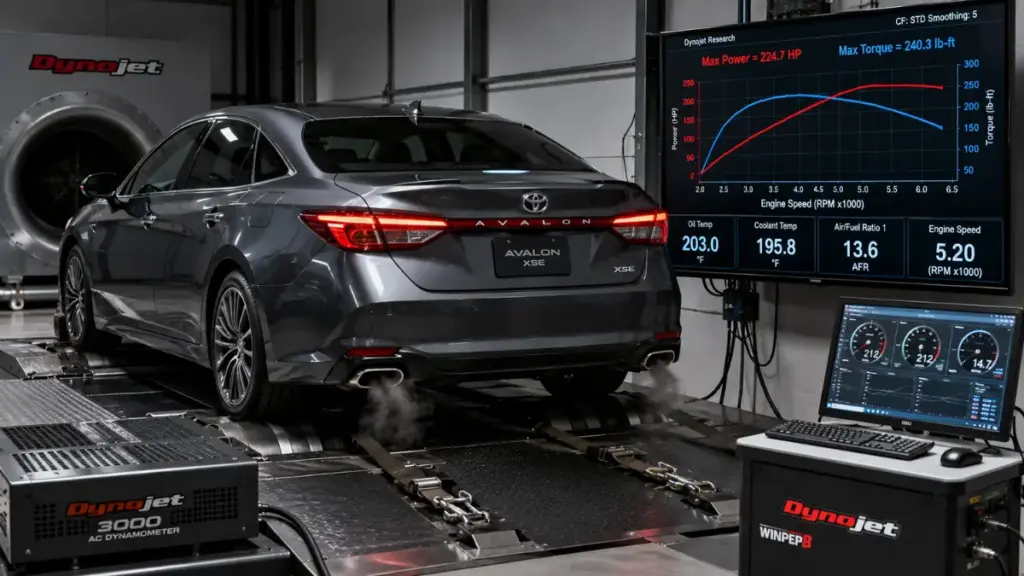
Far from being sluggish or floaty, modern iterations of the Toyota Avalon come equipped with a potent 3.5-liter naturally aspirated V6 engine producing upwards of 268 to 301 horsepower.
“True automotive luxury is not defined by aggressive exterior styling or firm sport suspension, but by effortless power delivery, mechanical serenity, and long-term owner peace of mind.”
Jade
This robust power plant accelerates the full-size sedan from zero to sixty miles per hour in roughly six seconds, effortlessly outpacing the small four-cylinder engines found in standard compact crossovers.
Furthermore, the long-term used Toyota Avalon reliability record means younger owners enjoy stress-free daily commutes without worrying about premature turbocharger failures or complex all-wheel-drive system breakdowns.
Insurance rates for this platform also remain significantly lower than those for sports cars or highly targeted utility vehicles, making monthly ownership costs remarkably affordable for young working professionals.
Comparing the Toyota Avalon Ride Quality to the Lincoln Town Car
Historically, buyers seeking maximum road isolation turned to full-size American luxury cruisers like the classic Lincoln Town Car. While those body-on-frame platform vehicles offered plush seating, they suffered from vague steering, excessive body lean, and high fuel consumption.
The Toyota Avalon modernized the full-size luxury concept by integrating unibody structural stiffness with front-wheel-drive efficiency and precise rack-and-pinion steering calibration.
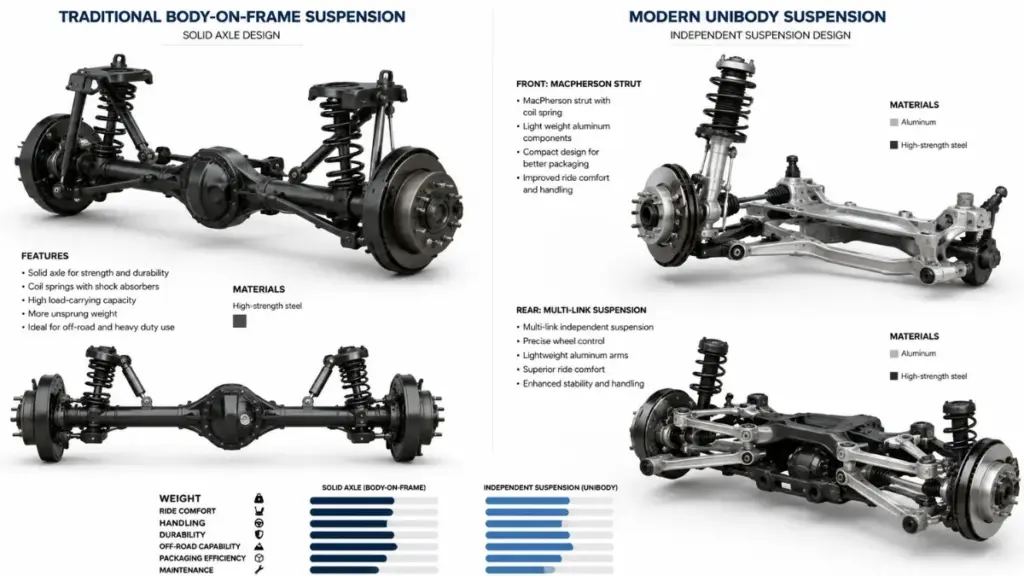
Compared to older traditional luxury land yachts, the Toyota Avalon offers far superior high-speed stability, vastly reduced stopping distances, and significantly better fuel economy while maintaining an extraordinarily quiet cabin environment.
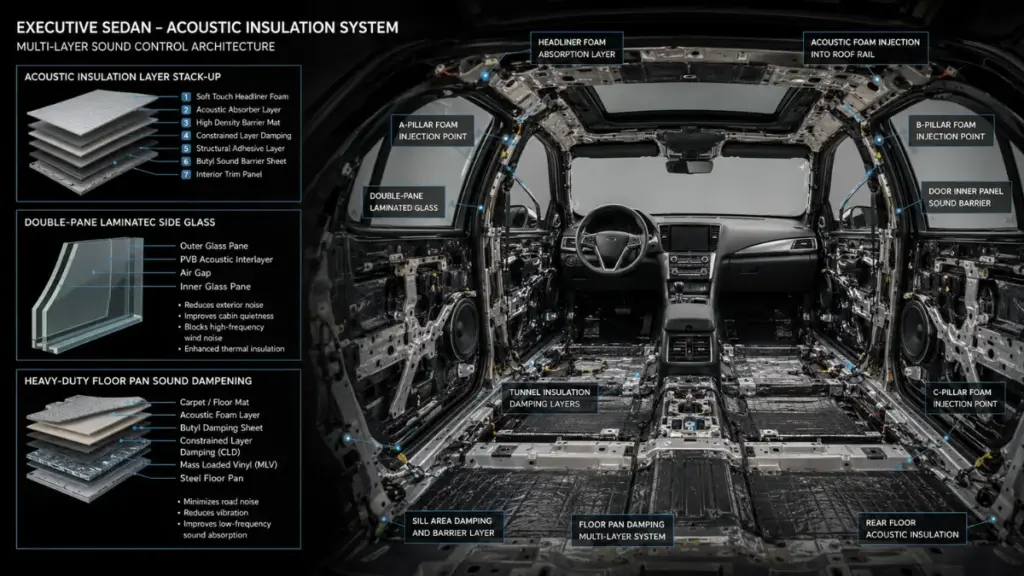
When evaluated against modern compact SUVs, the sedan isolates road noise and high-frequency pavement vibrations far more effectively due to its superior floor pan acoustic dampening materials and aerodynamic profile.
Maintenance Cost Comparison: Toyota Avalon vs Modern Compact SUVs
Long-term ownership cost is an area where the executive sedan completely outclasses both compact crossovers and pre-owned European luxury vehicles. Many buyers mistakenly assume that a larger car inherently incurs higher service and repair expenses over time.
More Read

Because the vehicle relies heavily on proven powertrain components shared across high-volume Toyota platforms, replacement parts are extraordinarily affordable and widely available at any qualified repair facility.
Evaluating the true Toyota Avalon maintenance cost over a 100,000-mile ownership period demonstrates remarkable savings compared to alternative vehicle classes.
Long-Term Reliability and Repair Expenditure Analysis
To understand the financial advantages of owning a full-size Japanese executive sedan, it is necessary to analyze routine maintenance expenses alongside unexpected repair probabilities over a multi-year ownership timeline.
The technical breakdown below compares estimated maintenance and component replacement costs between a pre-owned executive sedan, a standard compact utility crossover, and an aging European luxury vehicle across 100,000 miles of service.
| Maintenance & Service Category | Toyota Avalon (Pre-Owned 80k–120k Miles) | Popular Compact SUV (RAV4/CR-V Class) | Pre-Owned German Luxury Sedan (BMW 5-Series / Audi A6) | Technical & Engineering Context |
| Synthetic Engine Oil & Filter Change | $65 – $85 per service (5,000–7,500 mile intervals) | $70 – $90 per service (5,000–7,500 mile intervals) | $150 – $220 per service (5,000–10,000 mile intervals) | The V6 uses standard synthetic oil formulations and low-cost oil filters shared across millions of Toyota engines. |
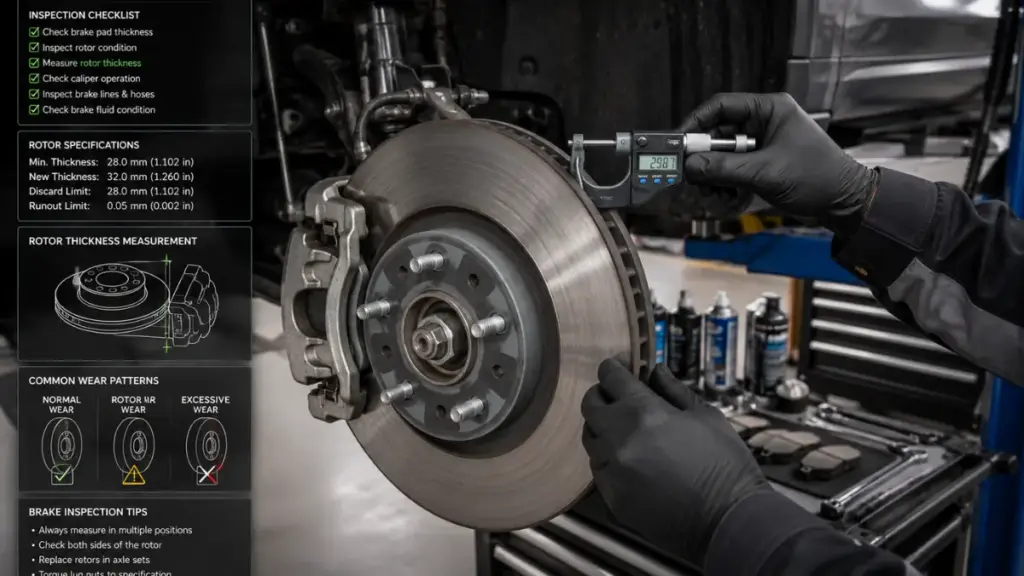
| Complete Brake Service (Pads & Rotors, 4 Wheels) | $450 – $600 total parts & labor | $500 – $700 total parts & labor | $1,200 – $1,800 total parts & labor | Standard steel brake rotors and high-volume brake pads keep replacement component pricing extremely low. |
| Complete Tire Replacement (Set of 4) | $550 – $750 (Standard 17-inch or 18-inch touring tires) | $750 – $1,100 (Higher profile or heavy-duty SUV load tires) | $1,100 – $1,600 (Low profile run-flat tires with staggered fitment) | Standard passenger car tire sizes are significantly less expensive than specialized crossover or run-flat options. |
| Spark Plug & Ignition Coil Service | $220 – $320 (3.5L V6 engine, 100,000-mile iridium plugs) | $180 – $260 (4-cylinder engine, 60,000–100,000 mile plugs) | $450 – $700 (Turbocharged engine, frequent coil pack degradation) | Long-life iridium spark plugs provide exceptional ignition stability across extended service intervals. |
| Water Pump & Thermostat Replacement | $400 – $600 (Typical lifespan exceeds 120,000 miles) | $350 – $500 (Typical lifespan exceeds 100,000 miles) | $900 – $1,400 (Electric water pumps prone to sudden plastic housing failures) | Mechanical belt-driven water pumps offer long operational life and simple, affordable mechanical replacement. |
| Suspension Strut & Shock Replacement | $800 – $1,100 (Complete 4-wheel OEM style assembly replacement) | $850 – $1,200 (Heavy-duty struts designed for elevated vehicle weight) | $2,200 – $4,000+ (Complex adaptive electronic or air suspension systems) | Standard hydraulic twin-tube shock absorbers provide superior ride comfort without costly electronic sensors. |
| Transmission & Differential Fluid Service | $180 – $250 (Fluid refresh every 60,000 miles) | $220 – $300 (Includes rear differential & transfer case fluid on AWD) | $500 – $800 (Specialized synthetic fluid for dual-clutch or ZF transmissions) | Front-wheel-drive layout eliminates the need to service complex rear differentials and transfer cases. |
| Annual Comprehensive Insurance Costs | $1,200 – $1,400 average annual premium | $1,500 – $1,800 average annual premium | $2,000 – $2,600 average annual premium | Lower historical theft rates and excellent safety crash scores result in lower annual insurance premiums. |
| Unscheduled Repair Expense Risk (100k-150k Miles) | $800 – $1,500 total estimated risk | $1,000 – $2,000 total estimated risk | $4,500 – $8,000+ total estimated risk | Proven naturally aspirated engine designs avoid turbocharger failure points and complex oil-leak issues. |
Mechanical Component Longevity and Parts Ecosystem
The extraordinary financial efficiency of maintaining a Toyota Avalon stems directly from platform component sharing. Approximately eighty percent of the core mechanical hardware under the skin is identical to parts utilized in the Toyota Camry, Highlander, and Sienna.
This massive shared parts ecosystem guarantees that replacement components remain in full production worldwide, keeping retail prices low and preventing supply chain delays when service is required.
In contrast, modern compact crossovers frequently utilize complex turbocharged engines paired with continuously variable transmissions (CVT). These downsized powertrains operate under higher internal thermal stress and elevated boost pressures, increasing long-term wear on rubber seals, intercoolers, and direct-injection fuel injectors.
By utilizing a large displacement, naturally aspirated V6 engine running at lower operating pressures, the executive sedan achieves exceptional engine mechanical longevity while routinely exceeding 250,000 miles on original major components.
Furthermore, opting for a front-wheel-drive sedan layout eliminates the auxiliary drive shafts, rear differentials, and electronic transfer cases required by all-wheel-drive utility vehicles.
Eliminating these additional rotating mechanical components reduces parasitic driveline drag, improves fuel efficiency, and permanently removes several expensive failure points from your long-term vehicle maintenance ledger.
Read more: Which of the 4 Iconic 2004 Roadsters Should You Buy When Searching for a Used Porsche Boxster?
Buyer’s Guide: Toyota Avalon Generations and Models to Watch
Selecting the ideal pre-owned model year requires understanding subtle engineering updates, suspension recalibrations, and specific mechanical items to inspect prior to purchase.
While the overall platform enjoys an immaculate safety and reliability reputation, certain production years offer better value, updated technology, or smoother suspension tuning than others.
Years to Avoid and the Most Reliable Model Years
When searching the pre-owned market, buyers should exercise specific caution regarding early production years of certain generational cycles to ensure maximum long-term satisfaction.
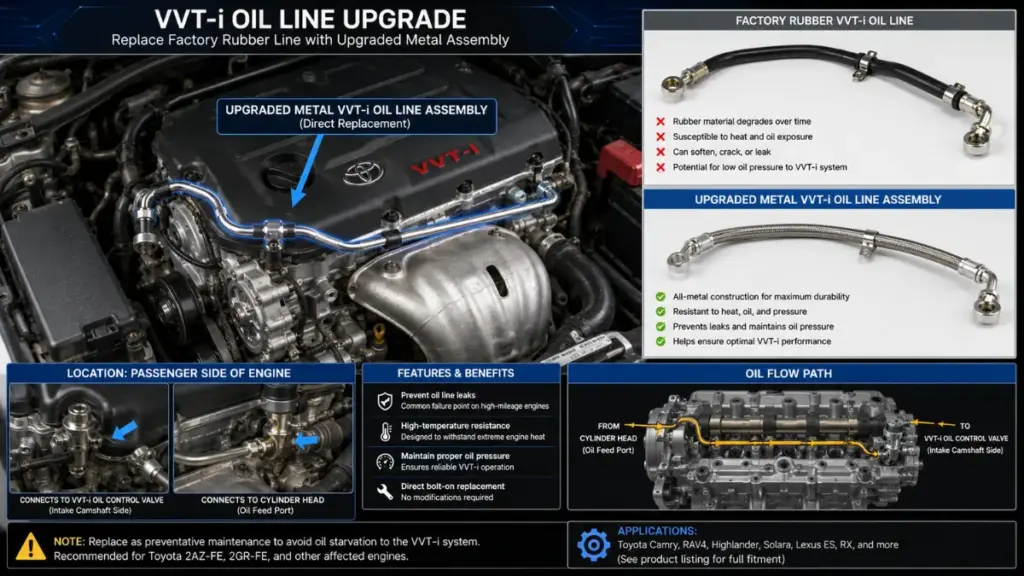
Early 2005 and 2006 model years featuring the initial launch of the 3.5-liter 2GR-FE V6 engine were equipped with a rubber section in the VVT-i oil supply line. Over extended time and thermal cycles, this rubber hose section could degrade and leak engine oil rapidly.
Most affected vehicles received an updated all-metal oil line under dealer recall programs, but verifying this repair is critical when inspecting early third-generation models. Additionally, early 2005 automatic transmissions occasionally exhibited gear flare during cold acceleration shifts.
Another crucial distinction occurs in the 2013 model year, which marked the redesign for the fourth generation. In an attempt to project a sporty image, engineers calibrated the 2013 suspension springs and dampeners to be excessively firm.
This stiff ride calibration compromised the traditional plush road isolation that buyers expected from the nameplate. Responding to customer feedback, factory engineers revised the suspension dampening for the 2014 model year and softened it further during the mid-cycle 2016 facelift.
“When inspecting pre-owned executive sedans, prioritize vehicles with verified oil change records over low mileage alone; clean lubrication preserves variable valve timing actuators indefinitely.”
Jade
The premier “sweet spot” production years for pre-owned buyers include:
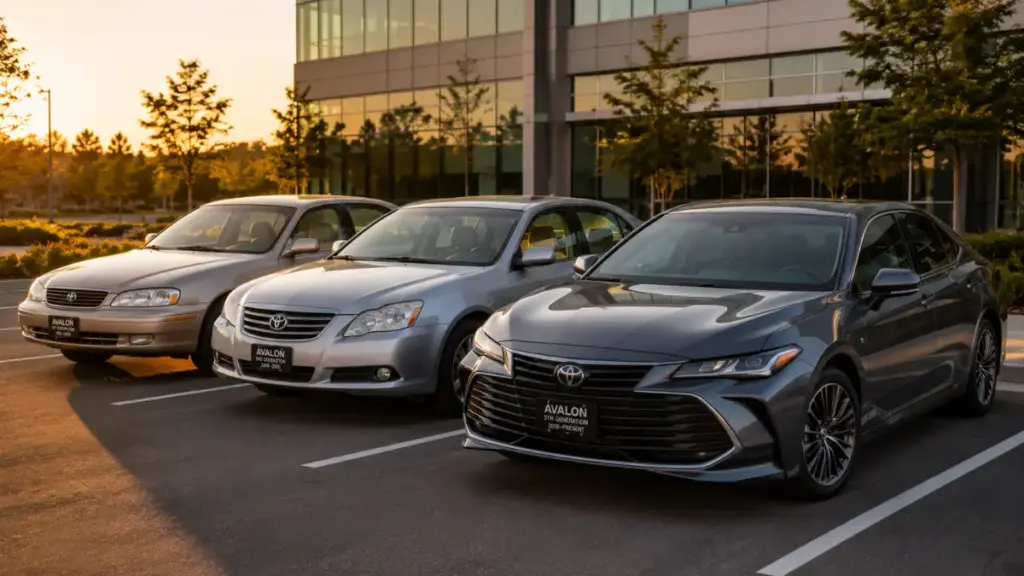
- 2007–2012 (Third Generation Facelift): Offers exceptionally plush ride quality, spacious rear legroom, updated transmission cooling, and a factory-resolved VVT-i oil line setup.
- 2014–2018 (Fourth Generation Facelift): Delivers updated body styling, modernized interior infotainment options, advanced safety features, and a comfortable suspension setup.
- 2019–2022 (Fifth Generation): Built on the ultra-stiff TNGA-K platform, offering Lexus-grade cabin quietness, Apple CarPlay/Android Auto compatibility, and optional refined hybrid powertrains.
Choosing Between the Smooth V6 and the Fuel-Efficient Hybrid
Beginning in the 2013 model year, buyers were offered a choice between the traditional 3.5-liter V6 engine and a highly efficient 2.5-liter four-cylinder Hybrid Synergy Drive system.
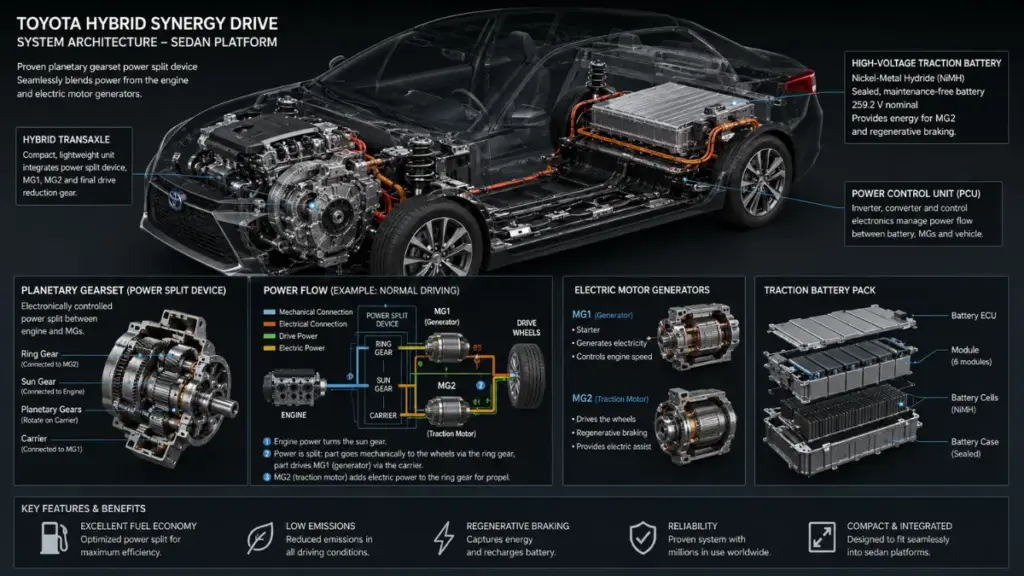
The V6 powertrain delivers effortless, linear acceleration with 268 to 301 horsepower, making it the ideal choice for long-distance highway cruising and drivers who prefer responsive passing power.
The Hybrid variant utilizes a naturally aspirated Atkinson-cycle four-cylinder engine paired with an electric motor and an electronically controlled continuously variable transmission.
This hybrid powertrain generates a combined 200 to 215 horsepower while delivering an astonishing EPA-estimated 40 to 44 miles per gallon in combined city and highway driving.
Because Toyota hybrid battery packs and electronic power control units regularly exceed 200,000 miles of service life without degradation, pre-owned hybrid models represent incredible daily commuting efficiency for high-mileage drivers.
Practical Steps Before Buying a Used Toyota Avalon
Executing a methodical pre-purchase inspection strategy ensures that you secure a pristine vehicle while avoiding hidden repair expenses or past maintenance neglect.
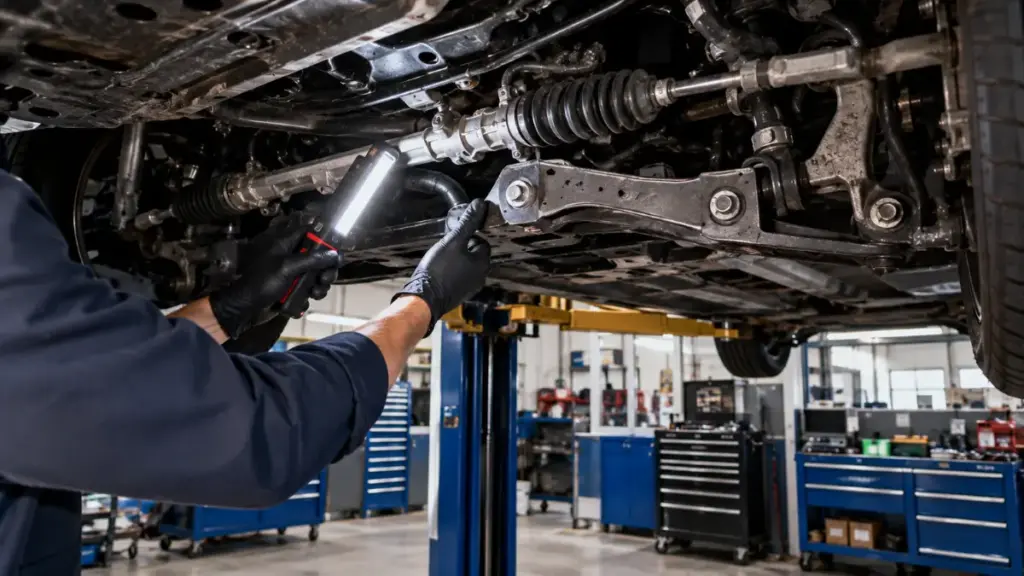
Before completing any purchase agreement, insist on executing the following technical verification steps:
- Verify Engine Lubrication History: Request complete maintenance records showing synthetic engine oil changes executed every 5,000 to 7,500 miles to prevent VVT-i actuator wear.
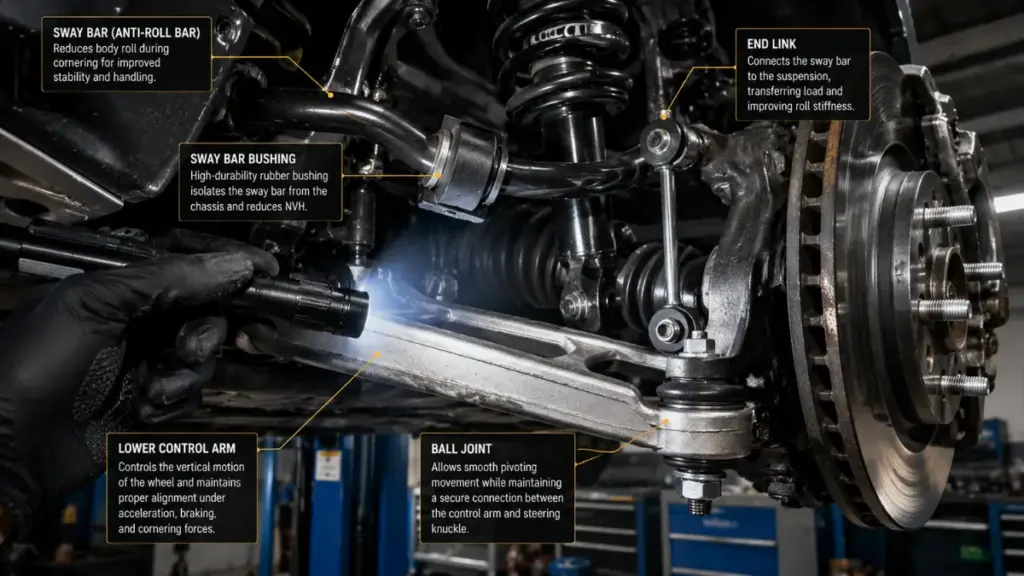
- Inspect the Front Undercarriage: Examine the front CV axle boots, lower ball joints, and steering rack bellows for sign of grease leakage or rubber dry rot.
- Test Transmission Shift Quality: Ensure cold shifting between park, reverse, and drive occurs smoothly without hesitation, clunking, or gear flare.
- Check Acoustic Side Glass: On higher trim levels such as the Limited or Touring, verify that original acoustic laminated side window glass remains installed without aftermarket replacements.
- Scan ECU Diagnostic Memory: Connect an OBD-II diagnostic scanner to verify that no pending engine fault codes or historical hybrid battery resistance warnings exist in system memory.
Conclusion on the Toyota Avalon Full-Size Sedan Value
Choosing to bypass overpriced compact crossovers in favor of a pre-owned Toyota Avalon represents one of the most financially astute decisions an automotive consumer can make today.
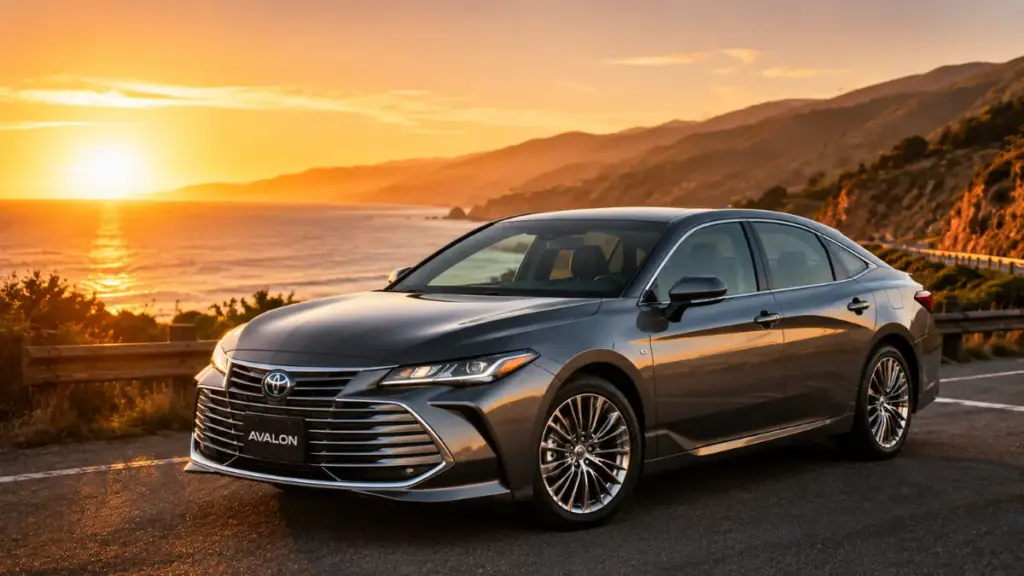
By purchasing a vehicle engineered for executive comfort, you enjoy quiet cabin acoustics, proven mechanical reliability, and luxury-level interior appointments without paying inflated SUV price premiums.
With minimal routine maintenance, a well-maintained full-size sedan will deliver hundreds of thousands of miles of comfortable, reliable transportation while preserving your personal financial resources.
LEAVE A COMMENT BELOW TO GET FREE EXPERT CONSULTATION OR FOLLOW OUR WEBSITE TO STAY UPDATED WITH THE LATEST AUTOMOTIVE INSIGHTS AND MARKET ANALYSIS.