

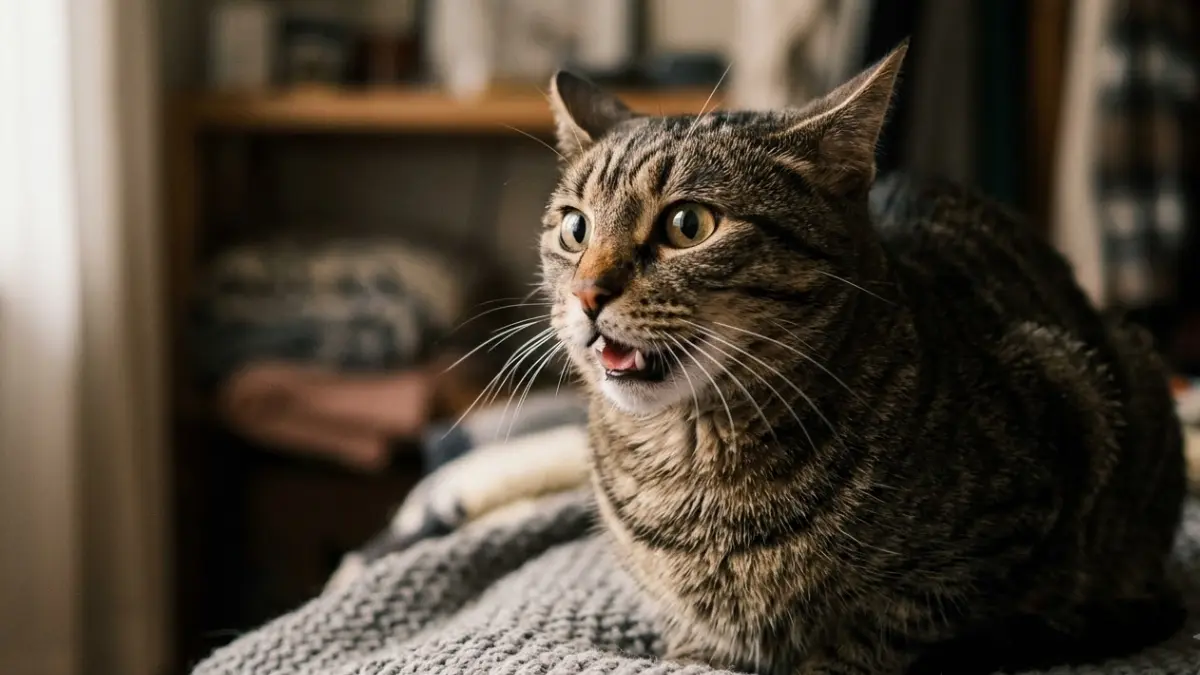

Cat heavy breathing and open-mouth breathing are critical respiratory red flags that pet parents should never ignore. Unlike dogs, cats rarely pant from exertion, making mouth breathing a sign of acute respiratory distress and severe oxygen deprivation.
- Understanding the Dangerous Physiology of Open-Mouth Breathing and the Core Mechanism of Crisis in cats
- Top Causes Triggering a Crisis in cats That Lead to Abnormal Heavy Breathing
- Step-by-Step Emergency Protocol to Manage a Crisis in cats and Ensure Pet Safety
- Common Mistakes by Owners That Worsen a Crisis in cats and Long-Term Prevention Strategies
- Frequently Asked Questions About Crisis in cats
- Recognizing Urgent Signals to Prevent a Tragic Crisis in cats
Understanding the true nature of a Crisis in cats is essential for recognizing these life-threatening warning signs early. When oxygen exchange fails, cats are forced to gasp through their mouths, leading to rapid panic, lethargy, and potential respiratory collapse.
To safeguard your pet’s life, every owner must know how to assess the severity of breathing difficulties and execute proper first-aid steps. This guide provides actionable emergency procedures and preventative care strategies to help you react quickly and effectively.
Cat open-mouth breathing indicates an immediate medical emergency caused by severe hypoxia, requiring urgent stabilization and veterinary intervention rather than home observation.
Understanding the Dangerous Physiology of Open-Mouth Breathing and the Core Mechanism of Crisis in cats
Mouth Breathing Signals Severe Oxygen Deprivation in the Feline Body
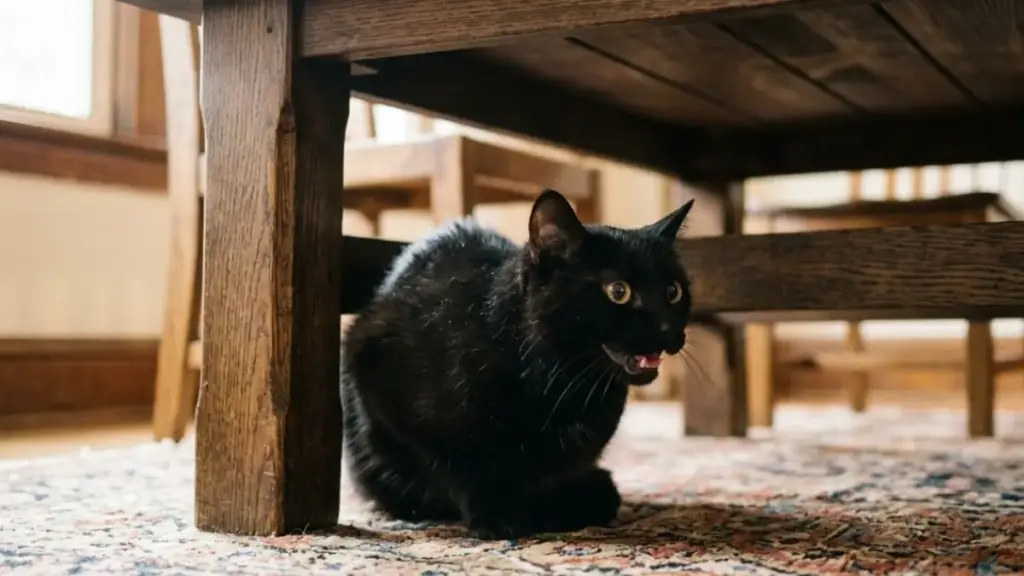
Feline respiratory physiology is built almost exclusively for nasal breathing. When a cat transitions to open-mouth breathing, it signals that normal nasal airway passages can no longer deliver adequate oxygen to the vital organs. During a Crisis in cats, the lungs fail to perform efficient gas exchange, driving the body into acute hypoxia. This physiological emergency forces the diaphragm and intercostal muscles to work overtime, creating visible, rapid chest and abdominal movements as the animal desperately tries to draw air into its compromised lungs.
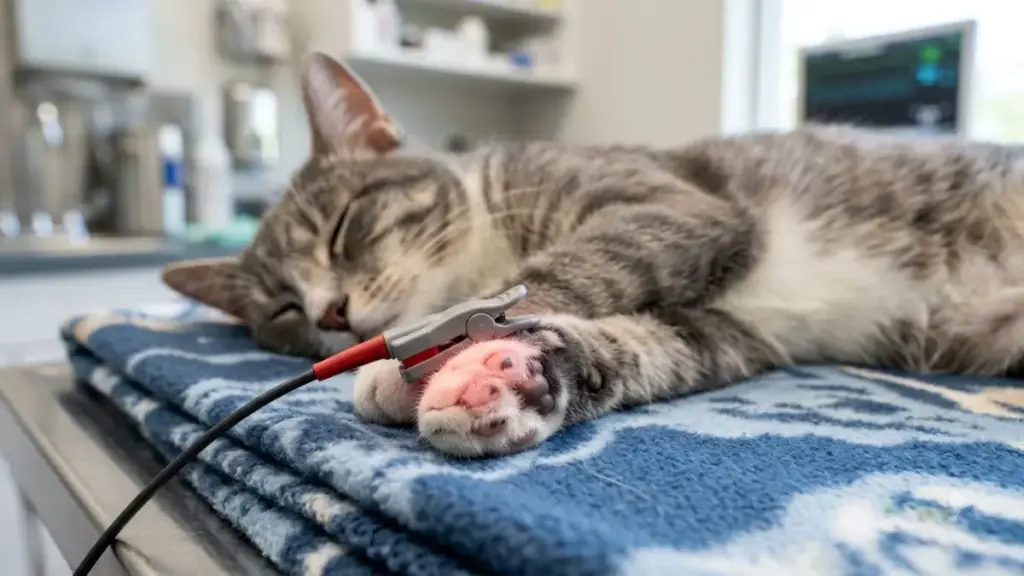
The difference between normal shallow nasal breathing and open-mouth gasping is stark. Healthy cats breathe smoothly through their nostrils at a rate that is barely noticeable to the untrained eye. In contrast, mouth breathing involves a wide stance, extended neck, and flared nostrils. This exaggerated posture is a desperate mechanical adaptation to straighten the airway. Without immediate intervention during a Crisis in cats, tissue oxygenation plunges rapidly, leading to organ failure and cardiovascular collapse.
Distinguishing Health Risk Levels When a Crisis in cats Occurs
Recognizing the boundary between minor distress and a life-threatening emergency requires monitoring vital signs. A healthy cat at rest typically takes 15 to 30 breaths per minute. When resting respiratory rates consistently exceed 40 breaths per minute, or when open-mouth panting begins, the animal has entered a dangerous Crisis in cats. Tracking this baseline allows pet owners to detect subtle increases in respiratory effort long before full-scale collapse occurs.
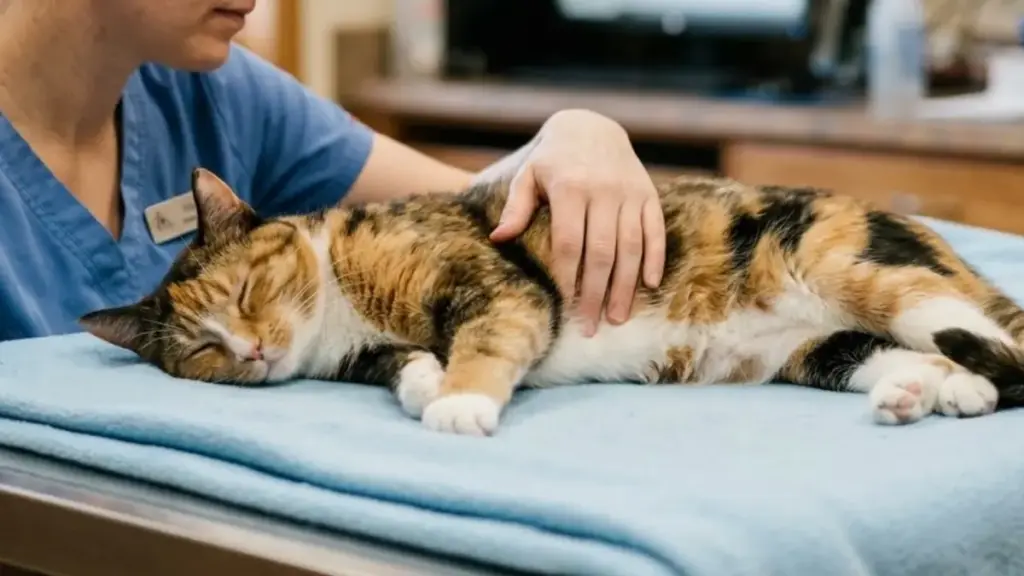
Secondary symptoms provide further clarity on the severity of the situation. Look closely at the mucous membranes, such as the gums and tongue. Healthy gums are pink, but during an acute Crisis in cats, they may turn pale, blue, or deep purple (cyanosis). Accompanying signs like sudden lethargy, collapse, vocalization of distress, or uncharacteristic panic confirm that the respiratory system is failing rapidly.
Top Causes Triggering a Crisis in cats That Lead to Abnormal Heavy Breathing
Underlying Respiratory and Cardiovascular Conditions Causing Acute Distress
Feline asthma and acute pneumonia are leading pulmonary triggers for severe breathlessness. In asthmatic individuals, chronic inflammation constricts the bronchioles, trapping air and preventing fresh oxygen from reaching the alveoli. When an asthma attack escalates into a Crisis in cats, mucus plugs can completely block airways, causing sudden panting, wheezing, and violent coughing fits that severely restrict oxygen intake.
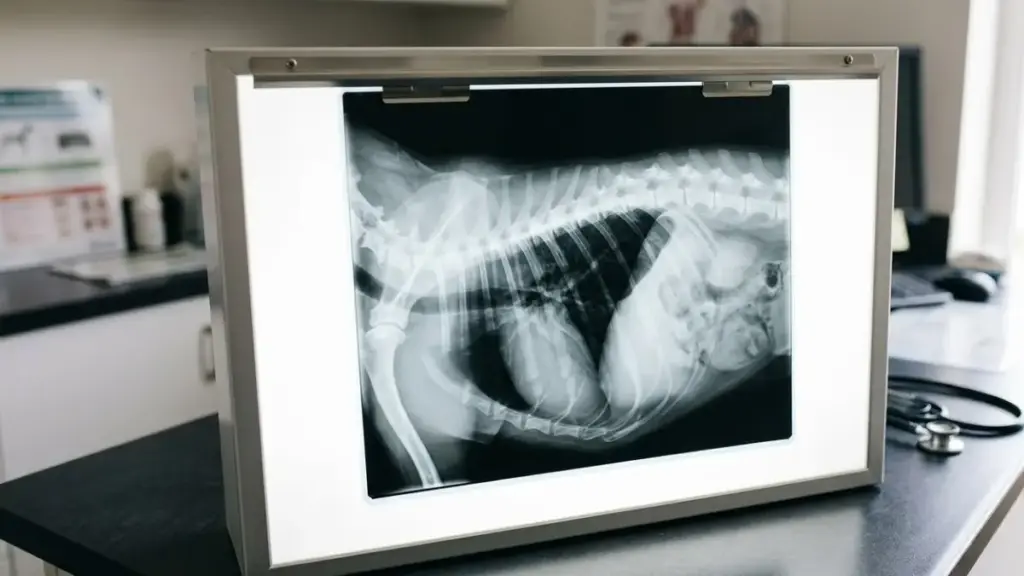
Cardiovascular disease, particularly Hypertrophic Cardiomyopathy (HCM), represents another grave threat. HCM causes the heart walls to thicken, impairing pumping efficiency and leading to fluid accumulation in the lungs (pulmonary edema) or chest cavity (pleural effusion). As fluid fills the thoracic space, the lungs cannot expand, triggering a critical Crisis in cats where every breath becomes an agonizing struggle for survival.
Recognizing the early signs of respiratory distress is the greatest defense every pet owner has against a unexpected Crisis in cats. Stay vigilant, act calmly during emergencies, and prioritize routine veterinary diagnostics to give your beloved companion a safe, happy, and healthy life.
Anna
Environmental Factors and Extreme Psychological Stress
Environmental heat exposure presents a severe threat because cats possess very few sweat glands, located primarily on their paw pads. When exposed to high ambient temperatures or left in poorly ventilated spaces, a cat’s body temperature rises rapidly. To dissipate heat, the animal may resort to open-mouth panting, rapidly escalating into heatstroke—a severe thermal Crisis in cats that causes systemic tissue damage.

Extreme psychological stress or intense panic can similarly overload the respiratory system. Sudden environmental changes, traumatic events, or prolonged physical overexertion trigger a massive surge of adrenaline. This adrenaline rush elevates heart rate and oxygen demand instantly, precipitating an acute Crisis in cats in individuals with pre-existing or undiagnosed respiratory vulnerabilities.
Step-by-Step Emergency Protocol to Manage a Crisis in cats and Ensure Pet Safety
Immediate On-Site First Aid to Lower Temperature and Stabilize Airflow
The moment open-mouth breathing is identified, immediate action must be taken to minimize metabolic oxygen demand. First, eliminate all noise, bright lights, and sudden movements. Create a tranquil, cool environment by turning on air conditioning or fans, but do not blow cold air directly onto the animal. Lowering ambient stress is vital during a Crisis in cats to prevent cardiac overload.
More Read


Handling during this vulnerable window must be kept to an absolute minimum. Avoid compressing the chest or abdominal area, as any pressure on the lungs reduces tidal volume. If you must move the animal, support the hindquarters and lower chest gently using a soft towel. Proper handling prevents additional panic and conserves remaining oxygen reserves throughout a Crisis in cats.
Emergency Transport Protocol to the Nearest Veterinary Clinic
Safe transport requires a well-ventilated carrier lined with absorbent, soft bedding. Ensure the carrier top can be removed easily so veterinary staff can access the cat without causing additional trauma. Maintaining a cool, stable temperature inside the vehicle is essential when transporting a patient in the middle of a Crisis in cats.
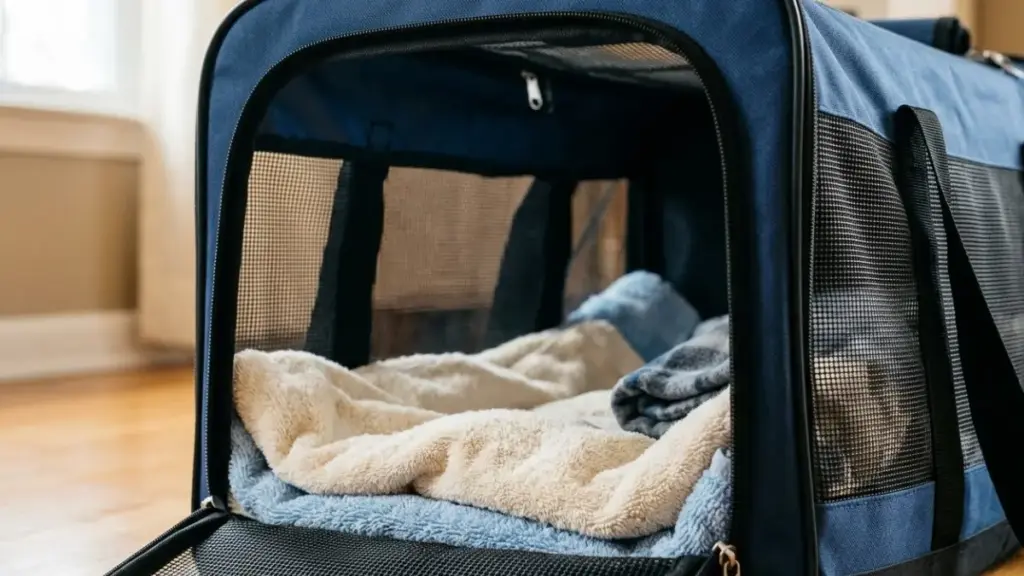
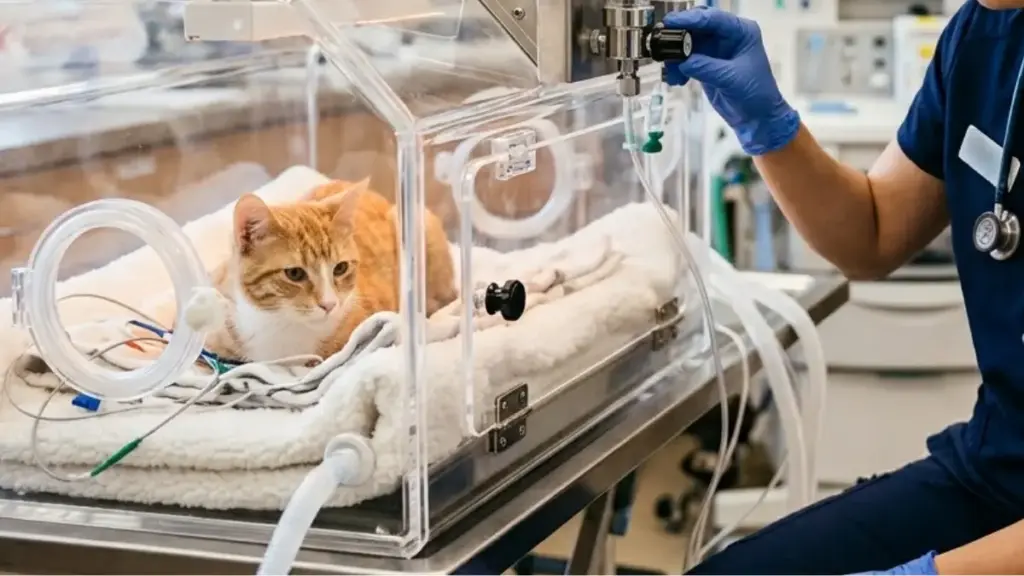
Always call the emergency veterinary hospital while en route. Notifying the clinic in advance allows the medical team to prepare an oxygen cage, emergency sedation, and diagnostic equipment before your arrival. Immediate access to flow-by oxygen upon arrival is often the deciding factor in surviving a severe Crisis in cats.
Common Mistakes by Owners That Worsen a Crisis in cats and Long-Term Prevention Strategies
Incorrect First-Aid Actions That Exacerbate Respiratory Distress
One of the most dangerous errors pet owners make is attempting to force liquids or oral medications into a panting cat’s mouth. When an animal is gasping for air, the epiglottis may not close properly, allowing liquids to enter the trachea directly. Aspiration pneumonia resulting from forced fluids rapidly intensifies a Crisis in cats, often proving fatal.
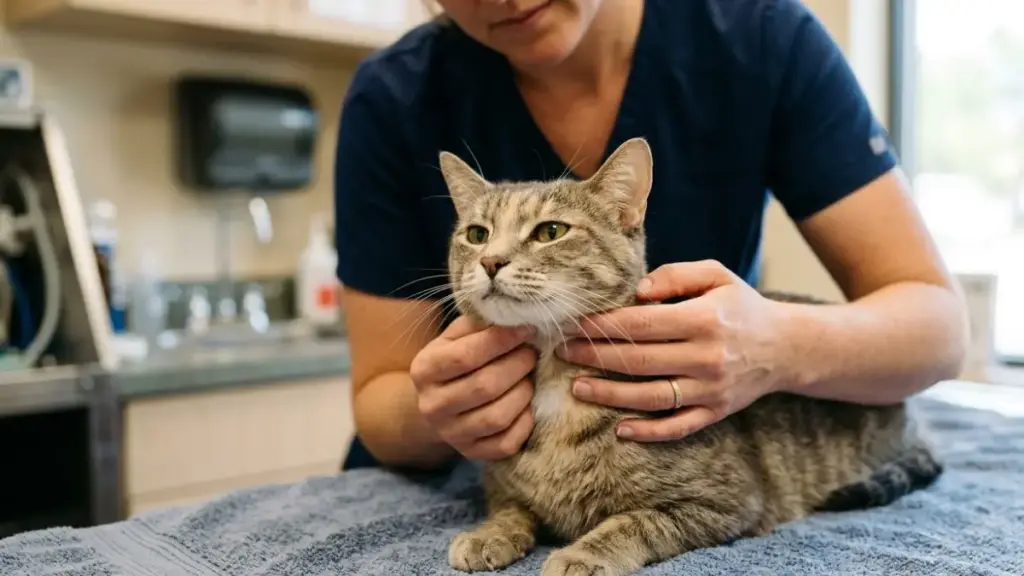
Another common mistake is excessive restraint, constant cradling, or frantic fussing. While motivated by affection, over-handling increases the cat’s anxiety and spikes its metabolic heart rate. Physical restraint restricts chest wall movement, turning a manageable breathing problem into a catastrophic Crisis in cats.
Read more: What to Do When Your Pet Is Bitten by a Stray Cat: 7 Urgent First Aid Steps to Prevent Rabies
Proactive Care Strategies to Prevent Recurrent Respiratory Emergencies
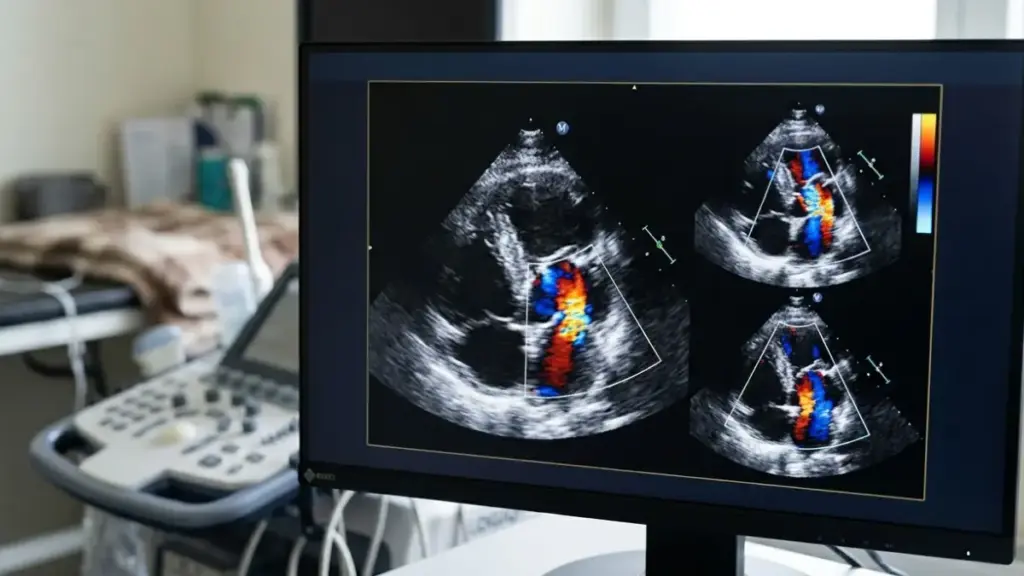
Preventing future respiratory emergencies relies on comprehensive diagnostic screening. Regular veterinary check-ups should include thoracic radiographs, cardiac biomarker blood tests (proBNP), and echocardiograms for high-risk breeds like Maine Coons or Ragdolls. Early detection of structural heart changes allows proactive medical management before a Crisis in cats ever manifests.
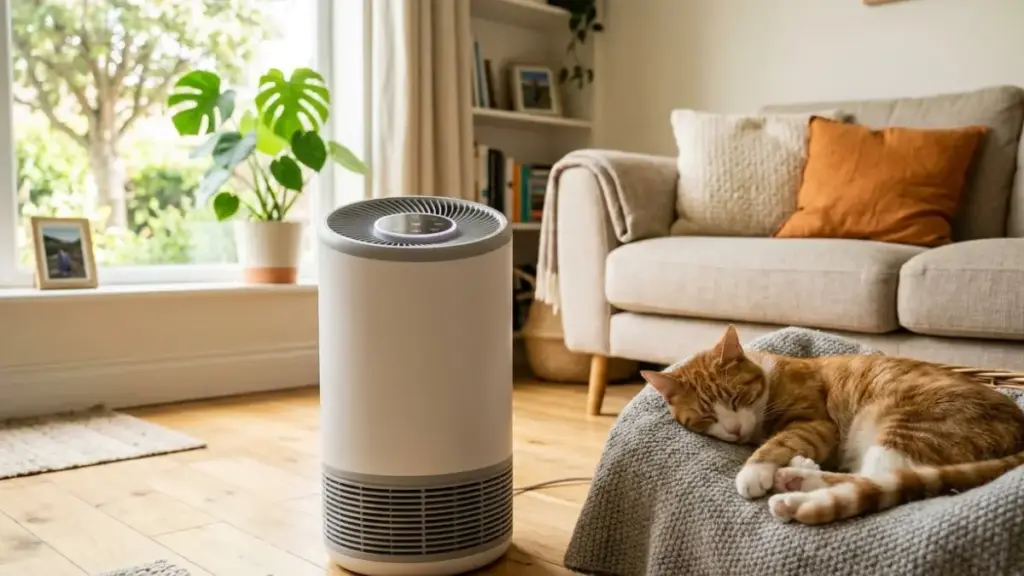
Optimizing the home environment provides a critical safety net. Maintain clean indoor air by using HEPA air purifiers, eliminating scented candles, avoiding cigarette smoke, and selecting dust-free cat litter. Combined with consistent temperature control, these preventive measures dramatically reduce respiratory triggers and safeguard your pet against a recurrent Crisis in cats.
Frequently Asked Questions About Crisis in cats
Is open-mouth breathing in cats ever considered normal?
Open-mouth breathing is almost never normal in cats. While dogs pant routinely to regulate body temperature after exertion, cats only breathe through their mouth under extreme physiological stress, severe heatstroke, intense pain, or advanced respiratory failure. Any instance of panting that lasts longer than a few seconds after intense play warrants an immediate evaluation for a underlying Crisis in cats.
How long can a cat survive while displaying open-mouth breathing?
A cat exhibiting open-mouth breathing is in a state of decompensated respiratory failure and can deteriorate within minutes to a few hours. Because oxygen levels in the bloodstream fall rapidly during a Crisis in cats, brain damage or cardiac arrest can occur quickly without supplemental oxygen therapy. Emergency veterinary care must be sought immediately.

What should I do if my cat starts panting during a car ride?
Panting during travel is often driven by acute stress or overheating inside the vehicle. To manage this potential Crisis in cats, immediately pull over safely, turn up the air conditioning, cover the carrier loosely with a light towel to block visual stimuli, and speak softly. If breathing does not return to normal within minutes after cooling and quiet, proceed directly to the nearest emergency clinic.
Recognizing Urgent Signals to Prevent a Tragic Crisis in cats
Understanding the grave implications of open-mouth breathing and rapid panting empowers cat owners to act decisively when every second counts. Respiratory distress in felines is an uncompromising medical emergency that demands quiet stabilization, careful handling, and immediate professional veterinary intervention. By maintaining a stress-free environment, monitoring resting breathing rates, and pursuing routine diagnostic screenings, you can effectively protect your feline companion from life-threatening respiratory events. Prompt awareness remains the single most effective tool to safeguard your pet’s health and prevent a fatal outcome.
PLEASE LEAVE A COMMENT TO SHARE YOUR FAVORITE THOUGHTS OR FOLLOW OUR BLOG FOR THE LATEST UPDATES.