
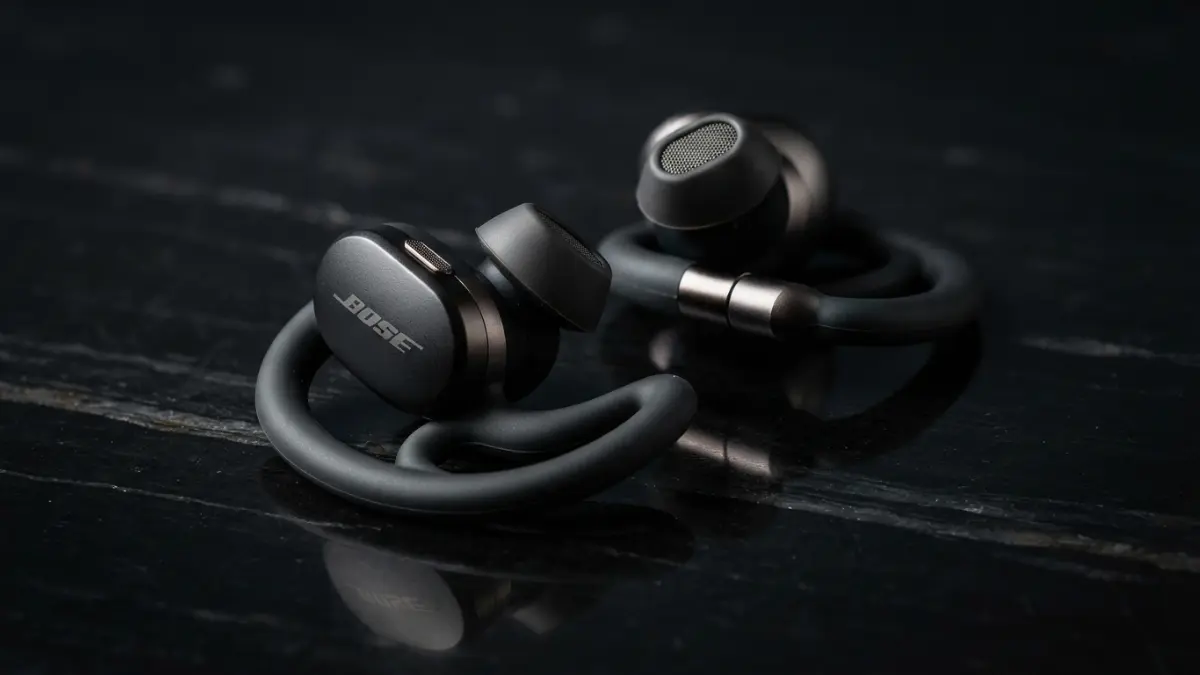

Investing in high-end personal audio equipment should guarantee seamless functionality, crystal-clear acoustics, and multi-year mechanical durability. However, long-term user reports and extensive field feedback reveal severe manufacturing, battery, and software flaws embedded within bose ultra open earbuds. Despite carrying a premium price tag, these open-ear wearables suffer from catastrophic hardware bricking, structural charging cradle degradation, and persistent connectivity glitches that frustrate even the most loyal audio enthusiasts.
- Reason 1: Sudden Battery Bricking and Complete Left Earbud Power Loss
- Reason 2: Extreme Fragility and Inadequate Moisture Protection During Workouts
- Reason 3: Defective Charging Case Pins and Spring Mechanism Failure
- Reason 4: Unreliable Warranty Replacement Cycles and Inconsistent Support
- Reason 5: Frequent Software Disconnections and App Synchronization Glitches
- Reason 6: Complete Lack of Built-In Location Tracking Features
- Reason 7: Volume Limitations in Loud Environments and Excessive Sound Leakage
- Detailed Evaluation of Proven Market Alternatives
When consumers evaluate bose ultra open earbuds solely based on initial promotional materials, they often overlook critical operational hazards. This comprehensive breakdown analyzes real-world failure patterns, technical hardware limitations, customer service shortcomings, and superior market alternatives so you can make a fully informed purchasing decision before spending your hard-earned money.
Reason 1: Sudden Battery Bricking and Complete Left Earbud Power Loss
The most severe flaw reported across user communities involves the total catastrophic failure of internal power storage within bose ultra open earbuds. Without warning, a single earpiece—predominantly the left earbud unit—completely ceases to accept an electrical charge or power on. This issue transforms a premium dual-audio system into a completely useless single piece of plastic within a matter of months.
Unlike typical battery degradation where playback duration gradually diminishes over years of active use, bose ultra open earbuds experience sudden hardware death.
Read more: You Might Not Need AirPods Pro 3 If Your Current Earbuds Already Support These 7 Features
Users who meticulously maintain their equipment under mild indoor conditions report experiencing total unit shutdown after merely two to six months of ownership. This alarming pattern points to severe power management board instability rather than standard lithium-ion chemical aging. When an earbud dies completely without physical impact or liquid exposure, users have no software remedy available to recover the device.
Reason 2: Extreme Fragility and Inadequate Moisture Protection During Workouts
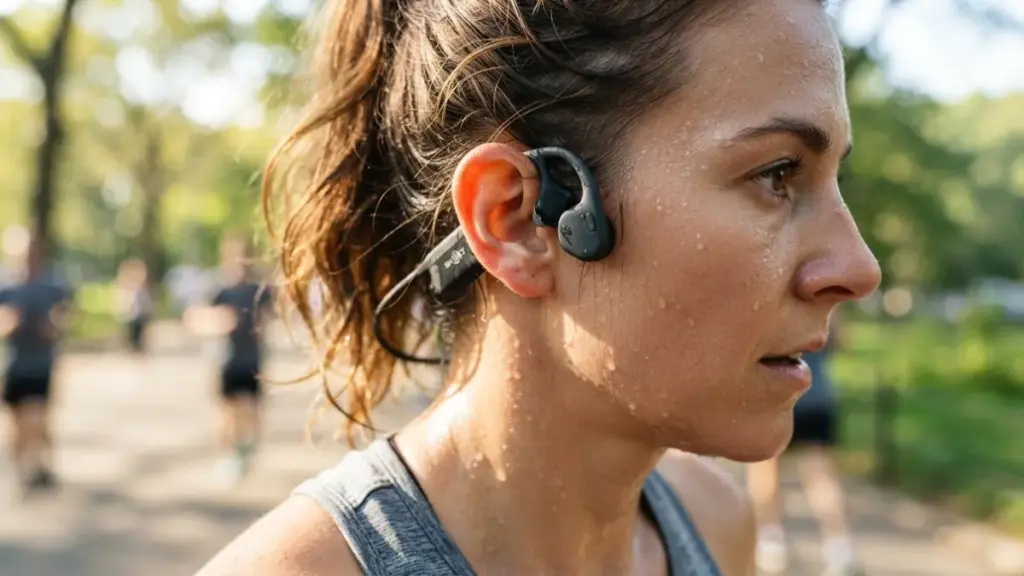
The open-ear clip architecture naturally appeals to runners, cyclists, and fitness enthusiasts who require ambient situational awareness during outdoor workouts. However, standard body sweat during light jogging routines frequently compromises the internal circuitry of bose ultra open earbuds. Although these earbuds are marketed for active lifestyles, mild moisture ingress degrades internal components rapidly.
“A premium sports-oriented earbud that cannot withstand routine body sweat without experiencing permanent electrical failure fails its primary functional premise.”
Luna
When simple sweat exposure disables internal components despite users avoiding rain or swimming, the product exposes a fundamental flaw in liquid ingress protection and acoustic enclosure sealing. Sweat acidity slowly degrades micro-gaskets, allowing moisture to reach the motherboard and causing short circuits that permanently disable the charging circuits.
Reason 3: Defective Charging Case Pins and Spring Mechanism Failure
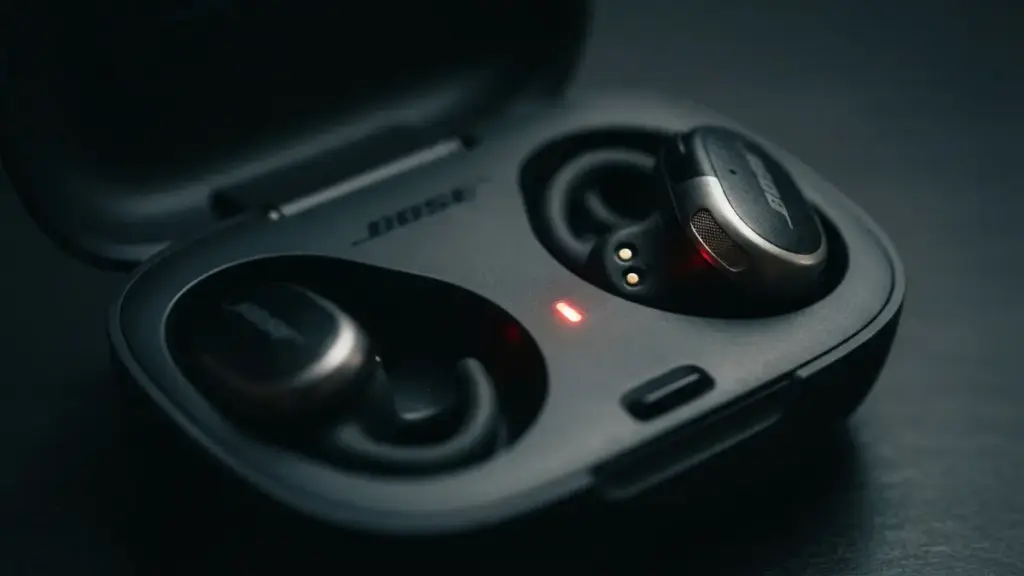
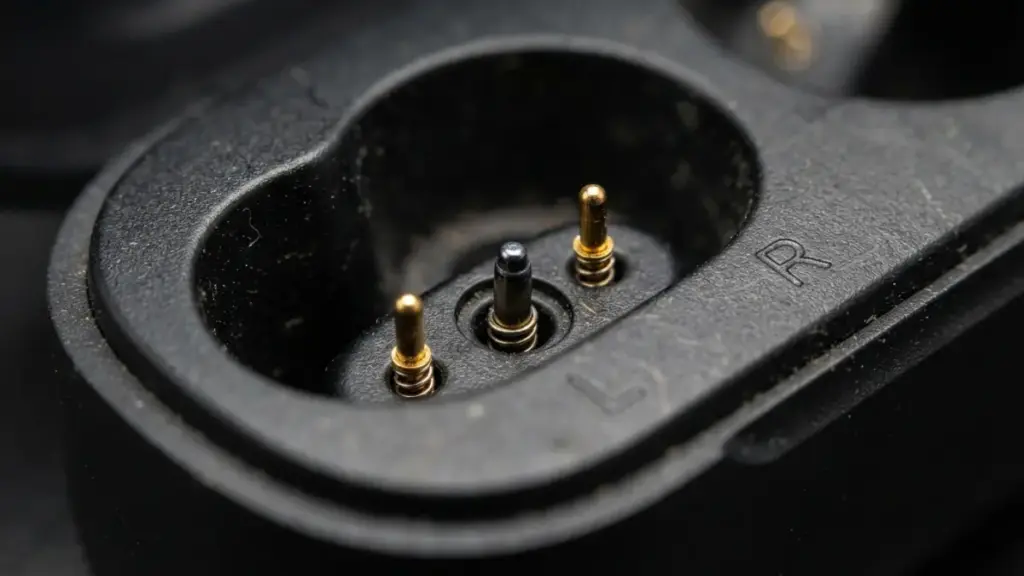
Underneath the sleek exterior of the charging cradle lies a critical mechanical vulnerability that plagues bose ultra open earbuds owners after continuous use. The charging case relies on microscopic spring-loaded pogo pins to establish physical contact with the earbud charging pads. Over two to eighteen months of routine insertion and removal, these tiny internal springs lose mechanical elasticity or lock permanently in a depressed position.
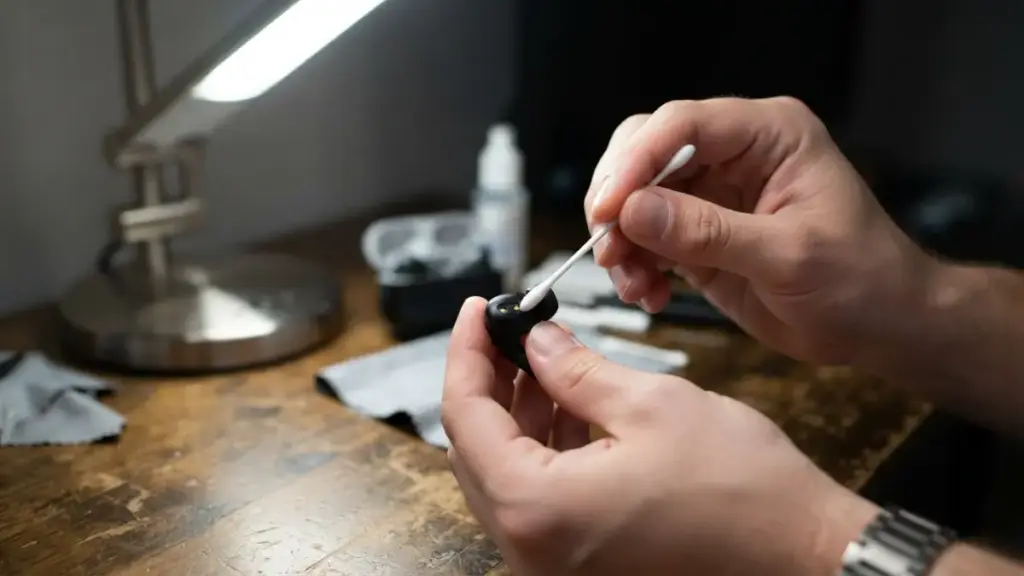
When a spring pin becomes stuck due to ambient micro-dust, skin oils, or mechanical metal fatigue, physical contact breaks entirely. As a result, one earbud refuses to charge beyond low thresholds such as seventy percent, requiring users to manually wiggle, clean, or force the earbud into position every night.
Engineering Comparison of Charging Contacts Across Leading Open-Ear Brands
To understand why bose ultra open earbuds suffer higher cradle failure rates than competitors, examining the mechanical charging designs of competing brands highlights key differences in physical engineering:
| Feature & Specification | Bose Ultra Open Earbuds | JLab Epic Open Sport | Shokz OpenFit Series |
| Charging Contact Type | Recessed Spring Pogo Pins | Flat Magnetic Contacts | Flush Heavy-Duty Pins |
| Dust & Sweat Vulnerability | Very High (Pins Jam Easily) | Low (Sealed Surface Pads) | Moderate (Protected Well) |
| Spring Tension Longevity | Fails in 2 to 12 Months | High Magnetic Retention | Durable Mechanical Retention |
| Max Battery Resolution | Stuck at 70% When Dirty | Full 100% Consistent Charge | Full 100% Consistent Charge |
| High-Res Audio Codec | Qualcomm aptX Adaptive | LDAC 96kHz/24-bit Support | AAC / SBC Standard |

Reason 4: Unreliable Warranty Replacement Cycles and Inconsistent Support
When buyers encounter power failures with bose ultra open earbuds, contacting customer support usually yields a warranty replacement rather than a permanent hardware revision. Multiple long-term owners report replacing their left or right earbuds up to four separate times within a single year. Each replacement unit originates from the exact same manufacturing batch specifications, causing identical charging and power defects to resurface within months.
More Read

This endless cycle of shipping defective units back and waiting for refurbishments destroys user trust. Long-time brand loyalists who used legacy products for over a decade report abandoning the ecosystem entirely after experiencing repeated replacement failures and inconsistent customer service responses.
Reason 5: Frequent Software Disconnections and App Synchronization Glitches
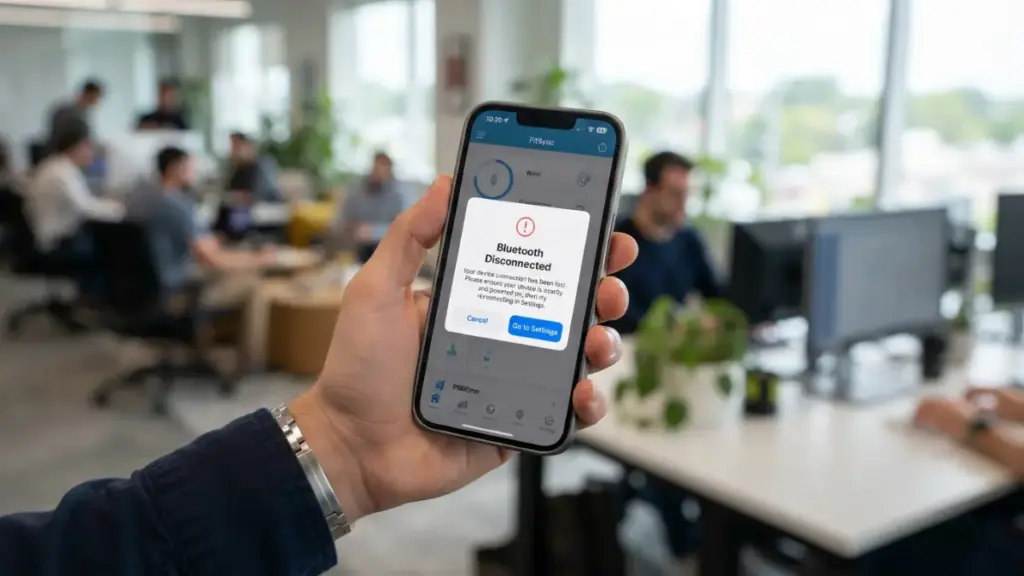
Hardware flaws represent only part of the problem; companion application instability creates continuous frustration during daily use of bose ultra open earbuds. Users encounter frequent signal drops, random automatic reboots mid-playback, and total app synchronization loss. On eight out of ten listening attempts, users must perform full software and hardware resets just to force both earbuds to play audio simultaneously.
Furthermore, Bluetooth multipoint connection stability remains erratic across different operating systems. Switching audio sources between an iPhone, a Windows laptop, or an Android tablet often causes one earpiece to lose channel balance or freeze completely until placed back inside the charging case.
![Misplaced single bose ultra open earbuds on hospital floor without tracking]](https://couchinsider.com/wp-content/uploads/2026/09/Misplaced-single-bose-ultra-open-earbuds-on-hospital-floor-without-tracking-1024x576.webp)
Reason 6: Complete Lack of Built-In Location Tracking Features
In the modern personal audio market, premium wireless wearables routinely include built-in GPS location tracking or audible beacon alerts to help users find misplaced earpieces. Surprisingly, bose ultra open earbuds completely omit location-tracking hardware and software integration inside their companion mobile application.
If an earpiece slips out during a busy commute, in a medical facility, or at an office desk, finding the device without visual searching is virtually impossible. Losing a single earpiece permanently forces buyers to purchase expensive individual replacements or discard the entire set entirely due to a lack of basic tracking infrastructure.

Reason 7: Volume Limitations in Loud Environments and Excessive Sound Leakage
The cuff-like open-ear design provides exceptional physical comfort and keeps ear canals open to external sounds. However, this acoustic configuration severely limits maximum audio volume output when traveling through loud environments like subway trains, airplanes, or windy city streets.
“Open acoustic architecture creates a delicate balance: while it offers supreme situational awareness, it completely sacrifices sound isolation in loud ambient environments.”
Senior Audio Engineer Specialist
Because the acoustic driver sits outside the ear canal, ambient noise easily overpowers musical playback. Attempting to compensate by cranking volume levels to maximum causes sound leakage that nearby passengers can hear clearly, while driving battery consumption up drastically and draining power reserves in under three hours.
Detailed Evaluation of Proven Market Alternatives
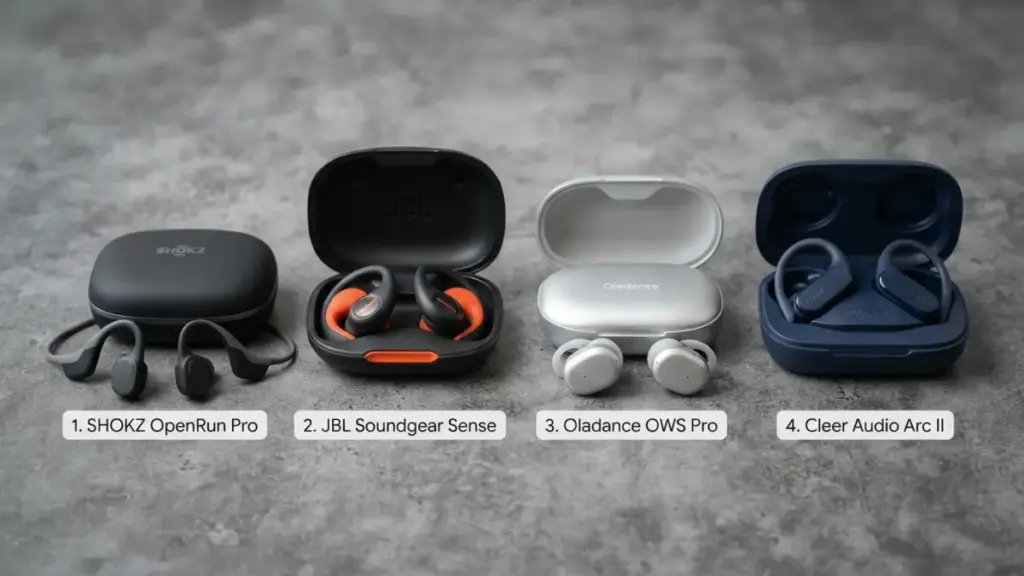
Frustrated by hardware bricking, charging pin failures, and high price points, disillusioned consumers are turning to competitor products that deliver superior reliability, better physical protection, and advanced audio features:
- JLab Epic Open Sport: Offers rugged physical magnetic charging plates, full Android LDAC 96kHz/24-bit high-resolution audio processing, comfortable glass-friendly ear hooks, and durable construction at less than half the retail price.
- Beats Powerbeats Pro 2: Provides rock-solid physical stability during athletic sprints, seamless iOS ecosystem integration, sweat-proof acoustic sealing, and reliable charging cradles with heavy-duty contacts.
- Shokz OpenFit & OpenDots Series: Features ultra-lightweight ergonomic clips, highly resilient physical charging contacts, proven sweat resistance for marathons, and stable companion software updates.
- Sony Open-Ear Series: Delivers intelligent environmental noise adaptation, stable Bluetooth multipoint pairing across multiple devices, and customizable sound equalization controls with superior acoustic drivers.
Final Verdict: Is Buying Bose Ultra Open Earbuds Worth the Risk?
While bose ultra open earbuds deliver impressive comfort and innovative clip-on aesthetics when functioning under ideal conditions, their widespread mechanical defects make them an unacceptably risky purchase. Paying premium prices for a product that frequently suffers from single-earbud battery death, jammed charging pins, sweat damage, and persistent software errors drives buyers away. Prospective audio shoppers seeking open-ear versatility should explore proven market alternatives until fundamental manufacturing revisions take place.
PLEASE LEAVE A COMMENT BELOW TO GET FREE EXPERT ADVICE OR FOLLOW OUR WEBSITE THE COUCH INSIDER TO STAY UPDATED WITH THE LATEST TECH KNOWLEDGE.