



Digital workspaces often become chaotic when users mix professional tasks, personal entertainment, financial management, and casual shopping within a single window. Shuffling between dozens of open tabs inevitably leads to accidental logouts, misclicked links, and severe cognitive overload. Modern web navigation demands a structural solution that protects data boundaries while streamlining daily productivity metrics. Implementing a systematic approach to browser profiles allows individuals to isolate distinct digital environments cleanly. Finding the perfect balance between chaos and over-segregation is the key to mastering digital organization.
- WHY MOST PEOPLE USE TOO FEW — OR TOO MANY — BROWSER PROFILES
- WHAT SHOULD DEFINE A BROWSER PROFILE?
- HOW MANY BROWSER PROFILES DO DIFFERENT TYPES OF USERS ACTUALLY NEED?
- WHEN SHOULD YOU CREATE A NEW BROWSER PROFILE?
- COMMON MISTAKES PEOPLE MAKE WITH BROWSER PROFILES
- BROWSER PROFILES VS BROWSER CONTAINERS — WHICH ONE SHOULD YOU USE?
- A SIMPLE BROWSER PROFILE BLUEPRINT YOU CAN COPY TODAY
- FAQ
- CONCLUSION
WHY MOST PEOPLE USE TOO FEW — OR TOO MANY — BROWSER PROFILES
Most internet users fall into two extreme categories when managing their daily web navigation setups. They either cram their entire digital life into a single cluttered interface or create a dizzying array of custom browser profiles that become impossible to maintain. Both approaches introduce distinct operational friction points that slow down daily productivity. Finding the optimal middle ground requires analyzing the structural advantages and drawbacks of different configurations.
The “one profile for everything” habit
Operating out of a single default window is the standard starting point for most casual internet users who avoid setting up distinct browser profiles. While this setup requires zero configuration or technical maintenance, it forces entirely unrelated tasks to compete for the same digital space. Cookies, history logs, and browser extensions mix indiscriminately, creating an unorganized and potentially insecure browsing environment.
“A single-profile setup creates a chaotic digital environment where tracking professional assets, personal accounts, and financial data constantly conflict.”
Luna
When professional tracking pixels, personal social media logins, and casual shopping trackers live together, tracking algorithms easily link your entire digital identity. Furthermore, searching through history logs for a specific work document becomes highly frustrating when buried under casual entertainment links. This lack of boundaries ultimately degrades both efficiency and privacy.
When creating too many profiles becomes counterproductive
On the other end of the spectrum, some productivity enthusiasts build separate environments for every individual client, project, or hobby. While this granular segregation sounds organized in theory, the administrative overhead of managing dozens of browser profiles quickly becomes overwhelming.
| Browser Setup | Advantages | Drawbacks | Best For |
| One Profile | Zero setup time | Extreme clutter, poor privacy | Casual users with low tab counts |
| Two Profiles | Separates work and home | Minor context switching | Standard remote employees |
| Three Profiles | Protects sensitive banking | Requires manual routing | Freelancers, security-conscious users |
| Four or More | Max isolation for projects | Heavy resource drain, complex sync | Power users, developers, agencies |
Switching between five or six active windows to check basic notifications creates immense context-switching fatigue. Hardware performance also degrades as multiple background processes consume critical system memory. True optimization means finding the minimum number of isolated spaces required to maintain security and sanity.
Read more: Artificial Artificial Intelligence: 7 Shocking Mistakes You Must Avoid.
WHAT SHOULD DEFINE A BROWSER PROFILE?
Building an efficient digital system requires understanding exactly what constitutes a distinct environment. Many users mistakenly confuse individual account logouts with true structural isolation. A clean deployment relies on separating broad categories of human activity rather than simply isolating separate email addresses.
Identity vs account: why they aren’t the same thing
Logging out of one Google account and logging into another within the same tab does not protect your digital data. The underlying browser application still shares cache systems, cookies, local storage records, and search histories across those sessions. A dedicated browser profiles setup ensures that each environment operates on a completely independent data registry.

True isolation means that what occurs inside one designated window remains completely invisible to the neighboring application instance. This complete segregation prevents cross-site tracking systems from stitching your personal browsing habits onto your corporate identity. It changes the focus from simple account switching within basic browser profiles to genuine privacy protection.
Group activities instead of websites
Instead of building custom browser profiles for specific domains, group your workflows by their underlying intent and risk profiles. A standard architecture relies on categorizing tasks into four major pillars: core professional tasks, sensitive financial activities, casual personal browsing, and experimental testing.
| Digital Activity | Recommended Browser Profile | Why |
| Client work, corporate portals | Work browser profile | Keeps work extensions and client cookies isolated |
| Banking, investments, taxes | Banking browser profile | Maximizes security by keeping extension vectors clean |
| Social media, shopping, streaming | Personal profile | Keeps tracking pixels away from professional work |
| Web development, new extensions | Testing profile | Prevents experimental tools from crashing core setups |
This objective classification ensures that your browser environment matches your mental state during specific workflows. By grouping similar activities together, you reduce administrative clutter while maximizing the security benefits of isolation.
HOW MANY BROWSER PROFILES DO DIFFERENT TYPES OF USERS ACTUALLY NEED?
There is no universal, one-size-fits-all number when organizing your digital workspace. The ideal configuration depends entirely on your specific professional obligations, security requirements, and daily browsing habits. Analyzing standard user personas reveals clear blueprints for structured deployment.
Casual users
An individual who uses the internet primarily for streaming entertainment, reading news, and casual shopping requires minimal overhead. For this workflow, deploying a secondary browser profiles setup specifically for sensitive financial activities is the safest approach. This simple division keeps core personal browsing separated from critical banking assets.

Remote workers
Full-time remote employees must maintain strict separation between corporate infrastructure and personal activities to protect employer data compliance. Utilizing distinct browser profiles provides the necessary boundaries without creating excessive administrative friction. This configuration keeps corporate logins, personal streaming assets, and sensitive financial access entirely independent.
Students
Academic environments require a distinct space to store research bookmarks, library login portals, and formatting extensions without cluttering personal spaces. Students benefit from a streamlined dual setup using independent browser profiles that separate intensive study modules from weekend relaxation activities. This clear boundary helps maintain cognitive focus during intense study sessions.
Developers
Software engineering demands an isolated playground to test experimental scripts, inspect code variants, and run diagnostic auditing tools. Developers typically require a four-profile setup that includes an entirely blank testing window alongside their core personal and professional spaces. This configuration prevents buggy experimental tools from disrupting daily workflows.
Freelancers
Managing multiple independent client contracts introduces significant operational complexity, as cookie conflicts can easily cause authentication errors on client platforms. Freelancers thrive when deploying tailored browser profiles that separate primary client communications from financial invoicing systems and experimental project sandboxes. This structure keeps data paths clean across diverse project contracts.
Small business owners
Operational leadership requires balancing corporate accounting, marketing campaigns, supplier logistics, and internal team management tools. Business owners need a clear framework that shields high-risk financial accounts from everyday web marketing tools. Maintaining clean boundaries protects sensitive corporate assets from common online vulnerabilities.
| User Type | Recommended Profiles | Suggested Setup |
| Casual User | 2 Environments | Personal + Finance |
| Student | 2 Environments | Study + Personal |
| Remote Worker | 3 Environments | Work browser profile + Personal + Finance |
| Developer | 4 Environments | Work + Testing + Personal + Banking browser profile |
| Freelancer | 4 Environments | Client Work + Personal + Finance + Testing |
Read more: Tata Breach and the Secret Development of the iPhone Fold: A Critical Analysis.
WHEN SHOULD YOU CREATE A NEW BROWSER PROFILE?
Recognizing exactly when to expand your digital environment prevents your setup from decaying into disorganized clutter or unnecessary complexity. Adding a new environment to your browser profiles architecture should always be a deliberate step driven by explicit security or structural needs.
Different logins aren’t always enough
When a website allows you to manage multiple accounts smoothly, creating a separate configuration within your browser profiles is often redundant. However, if an online platform constantly forces you to log out of a personal account to access a professional dashboard, you have reached a clear operational boundary.
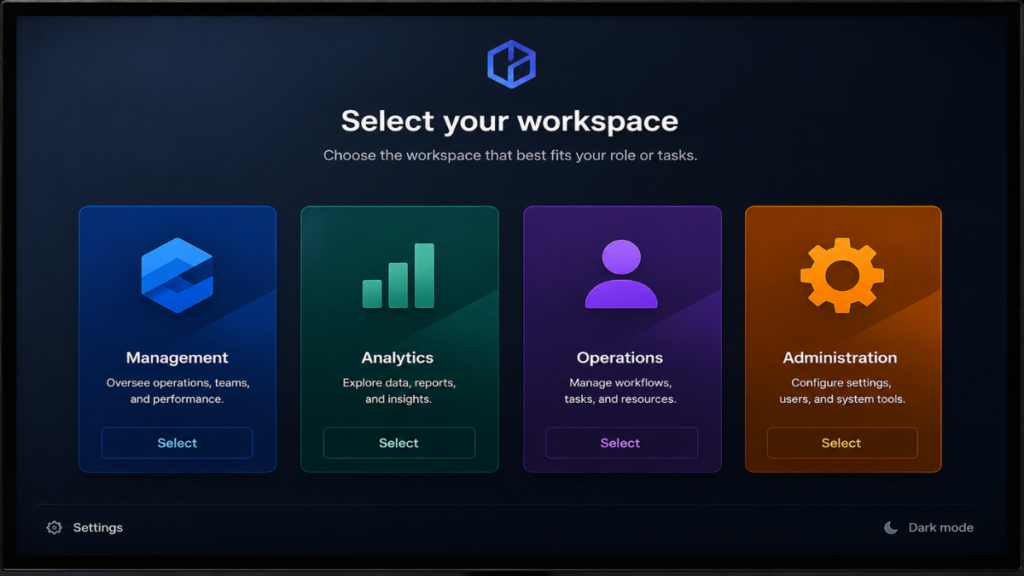
Separate profiles only when the purpose changes
A genuine shift in purpose occurs when the required tools, extensions, security protocols, and privacy standards change completely. If your personal shopping window requires coupon-hunting extensions, those tools should never run inside your high-security browser profiles. Isolate your environments based on intent rather than individual web domains.
Signs you’ve outgrown your current setup
You have outgrown your current configuration of browser profiles when password managers regularly autofill the wrong credentials or corporate trackers begin altering your personal search results. Experiencing frequent cookie authentication conflicts or accidental personal posts on corporate social channels are clear warning signs. These errors highlight a pressing need for cleaner structural boundaries.
| Situation | New Profile? | Better Alternative |
| Managing two personal Gmail accounts | No | Use integrated account switching inside the tab |
| Freelancing for a client with strict security | Yes | Deploy an isolated client work environment |
| Testing a questionable ad-blocking extension | Yes | Run inside a temporary testing window |
| Accessing separate personal hobby forums | No | Utilize standard browser bookmarks and folders |
COMMON MISTAKES PEOPLE MAKE WITH BROWSER PROFILES
Even tech-savvy individuals often make fundamental execution errors when configuring their multi-environment layouts. These structural missteps can accidentally compromise privacy or create unnecessary drag on computer hardware resources.
Creating a profile for every website
Building a unique configuration within your browser profiles for every frequently visited platform creates massive organizational clutter and wastes system memory. It transforms simple web browsing into a frustrating chore of managing window positions and duplicate settings. Focus on broad categorical isolation rather than hyper-specific web domain segregation.
Mixing banking with everyday browsing
Running financial calculations or accessing retirement accounts inside the same window used for casual browsing exposes sensitive data to unnecessary risks. Everyday entertainment sites often run tracking scripts that scan open browser variables. Maintaining an isolated banking configuration across your browser profiles minimizes exposure to cross-site tracking and malicious scripts.
More Read


Installing different extensions everywhere
While varying your extensions across environments is necessary, neglecting their overall management can cause massive performance drains within your browser profiles. Running heavy, unoptimized tracking plugins across multiple windows can quickly paralyze your machine’s processor. Audit your extension panels regularly to keep background resource consumption under control.
Forgetting profile backups and sync
Failing to connect your distinct browser profiles to a reliable backup mechanism risks losing valuable bookmarks and settings during a hardware failure. Each environment must be tied to a secure, independent cloud sync account to ensure seamless recovery options. A robust backup strategy keeps your customized digital workspaces resilient against unexpected device errors.
BROWSER PROFILES VS BROWSER CONTAINERS — WHICH ONE SHOULD YOU USE?
Understanding the technical distinctions between whole application environments and localized tab container extensions is vital for optimizing security. While both tools prevent cross-site cookie tracking, they operate at completely different levels of the browser architecture.
| Feature | Browser Profiles | Browser Containers |
| Separate cookies | ✅ Complete Isolation | ✅ Complete Isolation |
| Separate bookmarks | ✅ Completely Independent | ❌ Shared across all tabs |
| Separate extensions | ✅ Custom panel per profile | ❌ Globally active everywhere |
| Multiple logins | ✅ Supported seamlessly | ✅ Supported seamlessly |
| Privacy isolation | ✅ High system boundary | ⚠️ Moderate tab-level boundary |
| Best use case | Distinct lifecycles (Work/Home) | Quick account isolation in one window |
While Chrome profiles and Edge profiles replicate the entire application state, container extensions simply isolate cookie jars within a unified window. Containers are excellent for checking multiple email accounts quickly without changing your extensions or bookmarks. For true structural separation that demands distinct plugins and absolute workspace isolation, full environment profiles remain the superior choice.

A SIMPLE BROWSER PROFILE BLUEPRINT YOU CAN COPY TODAY
Transitioning from a chaotic single-window setup to an optimized system does not have to be difficult. You can implement a scalable, highly effective infrastructure today by selecting a blueprint tailored to your daily digital needs.
Two-profile setup
The foundational dual-layer blueprint splits your digital existence into Personal and Work spheres using two distinct browser profiles. The Personal space holds your casual media accounts and shopping links with standard privacy protections. The Work space handles your professional portals, documentation tools, and corporate communication applications. This clean division blocks work stress from bleeding into your evening relaxation time.
Three-profile setup
The three-layer blueprint adds a dedicated financial sanctuary to the standard work and personal configuration. This specialized banking window contains zero third-party marketing extensions and is used exclusively for financial management. Isolating these high-value transactions minimizes your attack surface during everyday web browsing.
Four-profile setup
The advanced four-layer blueprint introduces an isolated Testing sandbox alongside your personal, professional, and financial browser profiles. This sandbox is where you evaluate new extensions, test untrusted scripts, or investigate unfamiliar web domains. This layout ensures that experimental web tasks never compromise your core daily productivity setups.
| Profile Name | Target Websites | Essential Extensions | Core Purpose |
| Personal | Streaming, social media, retail | Ad-blockers, coupon finders | Casual browsing and entertainment |
| Work | Enterprise apps, email, project tools | Time trackers, grammar assistants | Professional tasks and communications |
| Finance | Banking portals, investment tools | Password manager only (No trackers) | High-security financial management |
| Testing | New platforms, untrusted domains | Script blockers, temporary proxies | Experimental browsing and development |
“Structuring your digital workspace around intent-based blueprints removes daily friction and builds a highly resilient online presence.”
Luna
Implementing this blueprint allows you to navigate the web with clear intentionality and robust security boundaries. By assigning clear, defined rules to each environment, you stop digital clutter before it even starts. This organized approach maximizes long-term digital organization and peace of mind.

FAQ
How many browser profiles are too many?
Exceeding four or five active environments generally becomes counterproductive for most individual users. Managing the unique sync accounts, custom extension updates, and window placements introduces more administrative friction than it solves. Stick to broad, intentional categories to keep your workflow efficient and sustainable.
Do browser profiles improve privacy?
Yes, they significantly enhance your privacy by completely isolating cookies, search histories, and local cache databases between environments. This separation prevents large advertising networks from linking your casual personal interests to your professional identity. It breaks the continuous cross-site tracking chains that follow you across the web.
Can browser profiles share extensions?
No, each environment maintains its own entirely independent selection of extensions, custom configurations, and toolbar layouts. This independence is a major advantage, as it allows you to run robust ad-blockers in your personal space while keeping your financial windows entirely clear of unnecessary code vectors.
Should I use browser profiles or separate browsers?
Using configured environments within a single modern engine like Chrome or Edge is typically more resource-efficient than running entirely different underlying applications. It provides consistent password integration and smooth layout synchronization while maintaining excellent data isolation. Separate applications are usually only necessary when you require entirely different rendering engines for specialized testing.
CONCLUSION
Taking control of your digital workspace requires moving past chaotic tab management into structured, intent-based optimization. Implementing a clean blueprint for your browser profiles protects your privacy, secures your financial assets, and keeps your professional workflows completely organized. Start with a simple dual configuration and allow your system to grow naturally as your digital needs evolve. Embracing this disciplined structure transforms web browsing via optimized browser profiles from a source of daily clutter into a precise, highly efficient asset.
PLEASE LEAVE A COMMENT BELOW FOR FREE EXPERT CONSULTATION OR FOLLOW OUR SITE THE COUCH INSIDER TO UPDATE THE LATEST KNOWLEDGE.