



The race for orbit has intensified, yet the narrative surrounding Amazon satellite internet remains largely misunderstood. While headlines frequently focus on a battle for residential customers, the reality is far more sophisticated. This massive investment into Project Kuiper is not merely an attempt to capture household monthly fees; it is a calculated masterstroke designed to underpin the entire Amazon ecosystem.
- Why Amazon didn’t build Project Kuiper just to sell internet
- The business that matters more than home internet
- Why governments rarely want only one satellite internet provider
- Why Starlink’s existence actually makes Project Kuiper more valuable
- Project Kuiper isn’t just about homes
- Why satellite internet is becoming part of digital infrastructure
- What Project Kuiper could change even if you never become an Amazon customer
- FAQ
- Conclusion
Why Amazon didn’t build Project Kuiper just to sell internet
When observers analyze Amazon satellite internet, they often default to the assumption that selling home subscriptions is the end goal. This is a narrow view. In reality, Amazon satellite network infrastructure acts as a backbone for the company’s existing massive business units. Project Kuiper is not just about streaming movies in rural areas; it is about extending the reach of AWS and global logistics.
| Common Assumption | Bigger Reality |
| Sell home internet | Build long-term infrastructure |
| Compete with Starlink | Expand Amazon’s ecosystem |
| Earn subscription fees | Support multiple business divisions |
By treating satellite internet as a utility rather than a product, the company secures its future competitive edge. This is a pivot toward satellite internet infrastructure that serves the company’s internal needs while creating a massive moat against market volatility.

The business that matters more than home internet
The true potential of Amazon satellite internet lies in its integration with the company’s vast enterprise services.
AWS edge computing
By bringing compute power closer to the data source via LEO satellites, AWS can drastically reduce latency. This allows for real-time data processing in remote locations where traditional satellite internet competition is nonexistent.
Enterprise connectivity
Project Kuiper offers high-speed, secure links for large-scale enterprise clients. This makes Amazon satellite internet a vital component for global corporations that cannot rely on terrestrial cables.
Industrial IoT
Massive sensor arrays in mining or agriculture require reliable uptime. Amazon satellite internet provides the backbone necessary for IoT devices to communicate back to centralized servers without interruption.
Global logistics
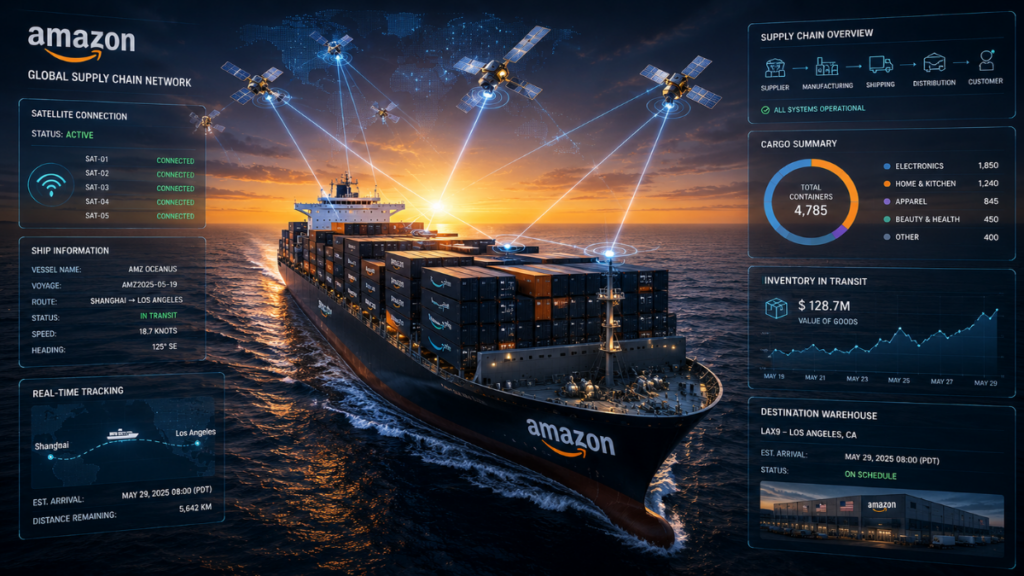
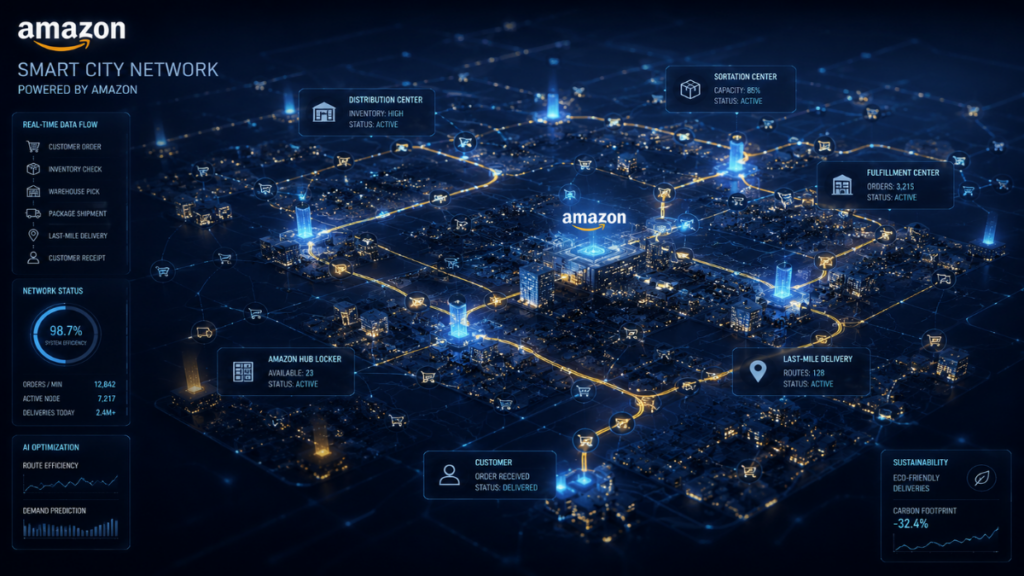
Managing a fleet across oceans is difficult. Amazon satellite internet ensures real-time tracking and optimization of supply chains, keeping the Amazon delivery engine moving regardless of location.
| Amazon Business | How Satellite Internet Supports It |
| AWS | Low-latency edge computing |
| Logistics | Real-time global tracking |
| Enterprise | Secure, high-bandwidth connectivity |
| Retail | Remote inventory management |
| AI Services | Faster data ingest for training models |

Why governments rarely want only one satellite internet provider
“Strategic resilience in the modern age depends on a multi-vendor approach to critical infrastructure, ensuring that no single entity holds the keys to national connectivity.”
Luna
Vendor diversification
Governments are wary of reliance on a single provider for satellite internet. By entering the market, Amazon satellite internet provides a viable alternative that keeps the ecosystem robust.
National resilience
Having multiple LEO satellites constellations ensures that if one network faces technical issues, others remain operational. Amazon satellite internet enhances this overall security.
Critical infrastructure
For agencies, satellite internet infrastructure is a matter of state security. Having a US-based, highly reliable option like Project Kuiper is essential for long-term planning.
| Risk | One Provider | Multiple Providers |
| Network outage | Total service loss | Continuity maintained |
| Contract pricing | Monopoly power | Competitive rates |
| National security | Single point of failure | Redundant architecture |

Why Starlink’s existence actually makes Project Kuiper more valuable
While the media frames this as a zero-sum game, Starlink has essentially performed the heavy lifting of market validation.
Market education
Starlink has successfully demonstrated to the world that satellite internet is not just a niche solution for the ultra-remote but a viable broadband replacement. This has paved the way for Amazon satellite internet to enter an already receptive market.
Infrastructure maturity
The regulatory and technical hurdles cleared by early pioneers have created a smoother path for Amazon satellite internet.
Customer education
Once a customer understands the value of LEO satellites, they are more likely to consider alternatives based on pricing or service quality.

Project Kuiper isn’t just about homes
The focus on home users distracts from the massive B2B opportunities for Amazon satellite internet.
Airlines
In-flight connectivity is a major demand. Amazon satellite internet can provide consistent, high-speed access across entire flight paths.
Shipping
Global shipping companies need reliable data for routing and crew communication. Amazon satellite internet ensures connectivity in the middle of the ocean.
Mining
Remote mining operations require satellite internet infrastructure to manage safety and production data in real-time.
More Read

Energy
Offshore rigs and remote power grids rely on Amazon satellite internet to stay connected to central monitoring hubs.
Emergency response
During natural disasters, Amazon satellite internet serves as a temporary, rapid-deployment solution to restore connectivity when terrestrial lines fail.
| Industry | Why Satellite Internet Matters |
| Aviation | Consistent in-flight internet |
| Maritime | Global tracking and crew connectivity |
| Mining | Remote data and safety protocols |
| Agriculture | Precision monitoring and IoT |
| Disaster Recovery | Rapid restoration of communications |
Why satellite internet is becoming part of digital infrastructure
Satellite internet is no longer a fringe luxury; it is the final piece of the global digital infrastructure puzzle.
Cloud
Cloud providers require global, low-latency reach. Amazon satellite internet effectively creates a global cloud access ramp.
AI
AI models thrive on massive data sets collected from everywhere. Amazon satellite internet facilitates the transfer of this data to centralized training centers.
Edge Computing
By placing intelligence at the edge, Amazon satellite internet minimizes the physical distance data must travel.
Global Connectivity
It bridges the digital divide that fiber optic cables simply cannot reach due to geography or cost.
Read more: The Hidden Risk of AI Emergency Dispatch: When Faster Isn’t Better
| Traditional Internet | Modern Connectivity Infrastructure |
| Fiber | Hybrid Networks |
| Cellular | Satellite |
What Project Kuiper could change even if you never become an Amazon customer
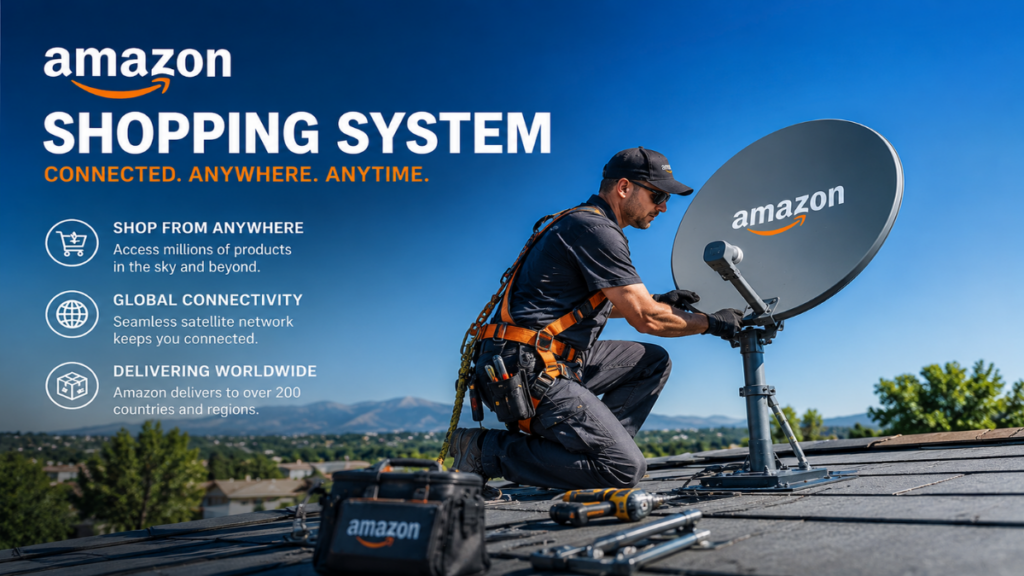
Even if you never purchase Amazon satellite internet, the project will fundamentally alter the market.
Competition
The presence of Amazon satellite internet forces all players to improve service levels and lower prices.
Pricing
Monopolistic tendencies in the satellite internet market will be curtailed by Project Kuiper.
Innovation
With two giants fighting, the rate of innovation for LEO satellites will accelerate, leading to faster speeds and cheaper hardware.
Enterprise choices
Businesses will benefit from more reliable satellite internet infrastructure offerings.
Government procurement
Diversified options for Amazon satellite internet mean better value and higher resilience for taxpayers.
| If Project Kuiper Succeeds | Possible Impact |
| More competition | Lower equipment costs |
| Better enterprise options | Faster innovation |
| Greater infrastructure resilience | Improved network security |
FAQ
Is Amazon satellite internet the same as Starlink?
No. While both use LEO satellites, their corporate strategies differ. Amazon satellite internet is built to serve the existing AWS and retail ecosystem.
What is Project Kuiper?
Project Kuiper is the name of the Amazon satellite network project aimed at providing global broadband connectivity.
Why is Amazon investing billions in satellite internet?
To build a global satellite internet infrastructure that supports AWS, logistics, and enterprise services, ensuring long-term connectivity independence.
Will Project Kuiper replace fiber internet?
It is not intended to replace high-speed fiber in dense urban areas but acts as a robust complement and a vital alternative for underserved or mobile regions.
Who is Project Kuiper designed for?
It is designed for enterprise clients, remote industries, governments, and residential users who lack reliable broadband access via Amazon satellite internet.
Conclusion
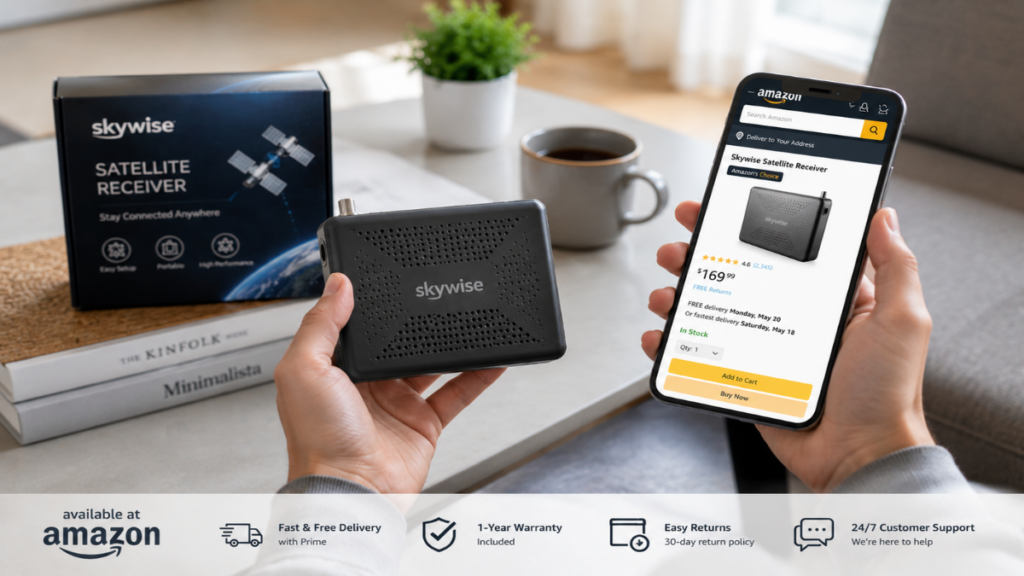
Amazon satellite internet is far more than a consumer-facing service. By leveraging Project Kuiper, the company is building a pervasive, high-capacity satellite internet infrastructure that reinforces its leadership in cloud, logistics, and enterprise services. Whether or not it leads the residential market, it will succeed in becoming the connective tissue for the modern global economy.
LEAVE A COMMENT TO GET FREE ADVICE FROM OUR EXPERTS OR FOLLOW THE COUCH INSIDER WEBSITE TO STAY UPDATED ON THE LATEST KNOWLEDGE.