



Modern commercial consumer privacy infrastructure relies heavily on the promise of absolute anonymity across public networks when deploying commercial vpns. Millions of internet users rely on top-tier commercial vpns daily to shield their personal browsing habits, private communications, and sensitive credentials from internet service providers, corporate trackers, and state surveillance. However, aggressive marketing campaigns for consumer vpns often conflate high-level promotional claims with genuine system architecture. While corporate sales teams behind major vpns highlight independent compliance certifications to prove zero-data collection, the underlying technical reality reveals significant operational loopholes, temporary volatile memory allocations, and cleverly scoped auditing contracts across modern vpns.
The Technical Reality Behind No Logs Promises in Commercial VPNs
Understanding the absolute mechanics of network routing reveals that completely zero-logging infrastructure is technically impossible during an active session across commercial vpns. When users route traffic through consumer vpns, the remote gateway operated by these vpns must handle incoming packet headers, allocate temporary internet protocol addresses, and maintain stateful socket connections to return requested web data accurately across all active vpns.
“An active network node cannot perform packet switching without holding connection states in system volatile memory during the lifetime of the session.”
Luna
Without retaining temporary routing references in kernel space memory, server infrastructure would suffer immediate connection drops and structural packet loss. Consequently, commercial providers do not eliminate operational logging entirely; rather, they manage where, how long, and in what format those connection markers exist before garbage collection processes clear system memory.
Read more: The Hidden WebRTC Leaks Lurking Behind Free Online Website VPN Services

Distinguishing RAM Only Infrastructure from Standard Disk Logging
To overcome the risks associated with persistent hard drive storage, leading commercial service providers have transitioned their infrastructure toward volatile memory environments. Traditional bare-metal servers write operating system logs, temporary crash dumps, and authentication tokens directly onto solid-state drives or magnetic disks.
- Solid-state disk drives store unencrypted system session traces across machine reboots until overwritten.
- Volatile random-access memory platforms purge all operating system states instantly upon power termination.
- Remote hardware reboots strip lingering temporary data structures across volatile memory channels.
While volatile server configurations represent a genuine technical upgrade for user privacy, volatile memory is not immune to realtime inspection. Operating systems running entirely in memory still store active routing tables, incoming user IP mappings, and temporary session keys in operational buffer pools until closed.
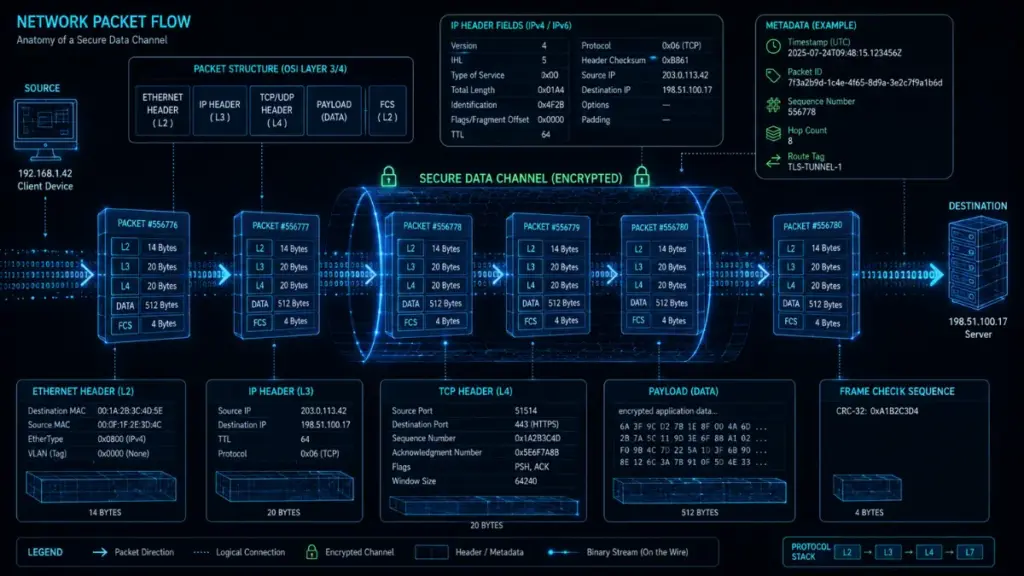
The Hidden Metadata Collected by Top Tier Commercial VPNs
When reviewing privacy disclosures, consumers often overlook the distinction between activity logs and connection metadata. Activity logs record specific websites visited, files downloaded, and DNS queries submitted, whereas connection metadata records operational telemetry required to maintain infrastructure stability.
| Data Category | Stored Asset Type | Technical Purpose | Volatility Period |
| Activity Data | Browsing history, DNS lookups | User profiling, monetization | Purged or zero-recorded |
| Connection Data | Time-stamps, bandwidth volume | Load balancing, abuse prevention | Volatile session lifetime |
| Account Data | Payment tokens, registration email | Subscription enforcement | Persistent database storage |
Commercial services collect diagnostic metrics to prevent simultaneous login abuse, defend against distributed denial-of-service attacks, and optimize dynamic server load balancing. These operational data points, even when held temporarily, constitute session metadata that could theoretically correlate to specific internet activity if captured during active runtime operations.
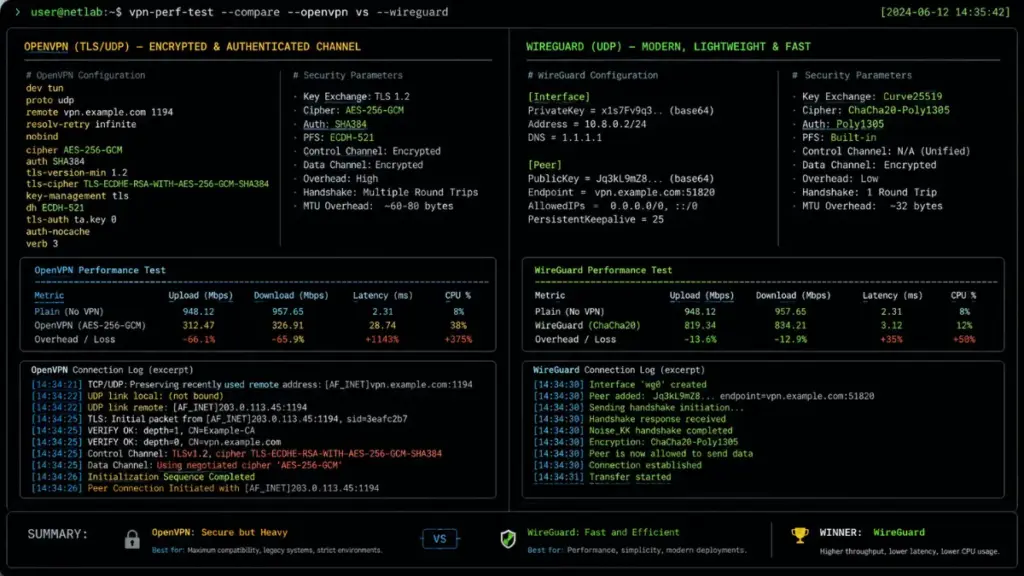
WireGuard vs OpenVPN Real World Performance and Logging Nuances
The transition from legacy tunneling standards to modern cryptographically streamlined protocols has reshaped performance benchmarks across consumer privacy markets. While marketing materials heavily praise new protocol speeds, the underlying cryptographic architectures present vastly different implications for user data retention.
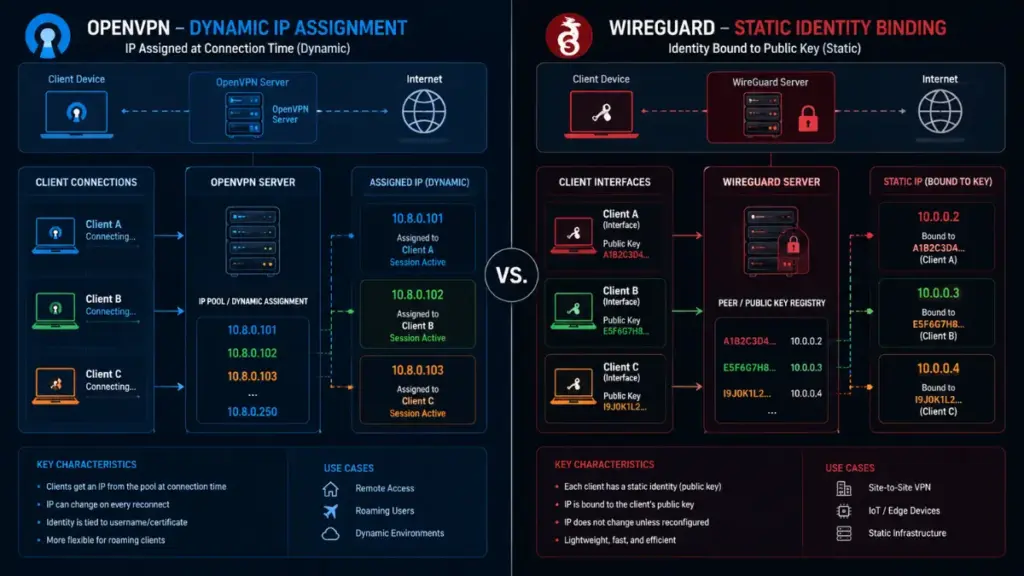
Why Modern VPNs Prefer WireGuard Over OpenVPN Protocols
Legacy tunneling technologies like OpenVPN rely on massive, complex codebases exceeding seventy thousand lines of code. This extensive complexity increases processing overhead, elevates CPU usage on consumer devices, and prolongs initial connection handshake times significantly.
In contrast, modern alternatives streamline tunnel establishment through lightweight cryptographic primitives contained within roughly four thousand lines of clean code. This structural efficiency drastically reduces latency, accelerates throughput speeds, and optimizes mobile device battery performance during active encrypted sessions.
Read more: Is Self-Hosting Your Vault With Bitwarden Password Manager Actually Safer Than Cloud Storage?
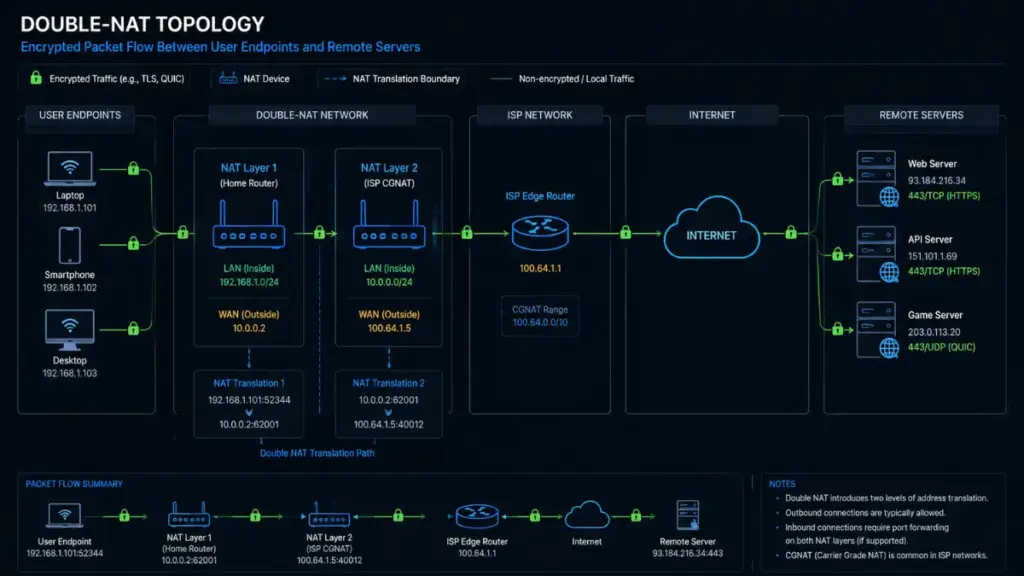
How WireGuard Handles IP Allocation vs OpenVPN Architecture
Despite its impressive speed advantages, the default upstream design of WireGuard presents a core privacy challenge for commercial providers. By default, the protocol is designed to store the real public IP address of each connected peer inside server RAM indefinitely until the core interface restarts.
To bypass this default architectural limitation, commercial entities must build custom wrapper scripts or dynamic Network Address Translation interfaces. These proprietary solutions allocate dynamic internal IP addresses through a double-NAT system, breaking the static link between user public identity and internal tunnel routing.
However, executing these proprietary cryptographic modifications creates operational processing overhead. In real-world performance tests, heavily modified protocol implementations often perform identically to highly optimized OpenVPN setups, nullifying the raw speed benefits promised in promotional literature.

How Commercial VPNs Manipulate Independent Audit Reports
Independent third-party compliance assessments have become the ultimate marketing asset for consumer privacy providers seeking to build market trust. Glossy promotional banners display logos from prestigious accounting firms to assure users that zero-logging claims have been officially validated by impartial experts.
More Read

“A point-in-time compliance assessment validates system configurations solely during the active window of evaluation, leaving post-audit changes completely unmonitored.”
Luna
A critical examination of these published evaluation documents reveals substantial structural caveats. Most consumer-facing security audits are tightly controlled engagements where the client defines the exact systems, timeframes, and testing parameters evaluated by external engineering teams.
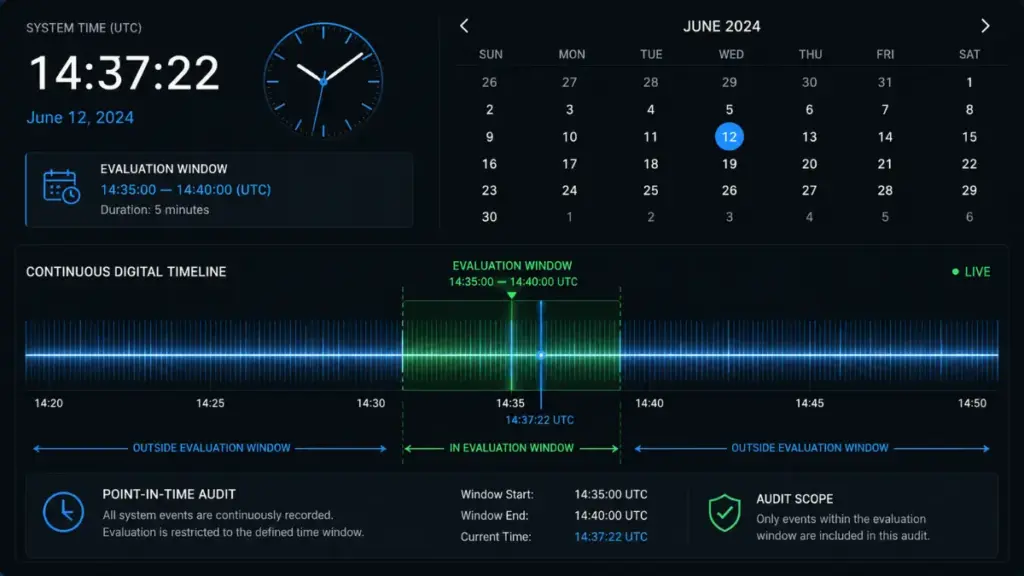
Point in Time Audits vs Continuous System Monitoring
The fundamental flaw of conventional third-party evaluations lies in their point-in-time nature. An external auditing firm inspects the targeted server infrastructure, reviews source code repositories, and validates system configurations over a brief, predetermined testing period lasting a few days or weeks.
- Auditors confirm that targeted server instances do not write session logs during the explicit test window.
- The client receives a formal compliance report attesting to system configurations on those specific dates.
- The provider resumes full control over deployment pipelines and automated configuration updates immediately afterward.
Because third-party firms do not maintain continuous monitoring systems across commercial infrastructures, providers can easily alter server configurations, deploy modified kernel builds, or re-enable session logging mere hours after auditors complete their review.
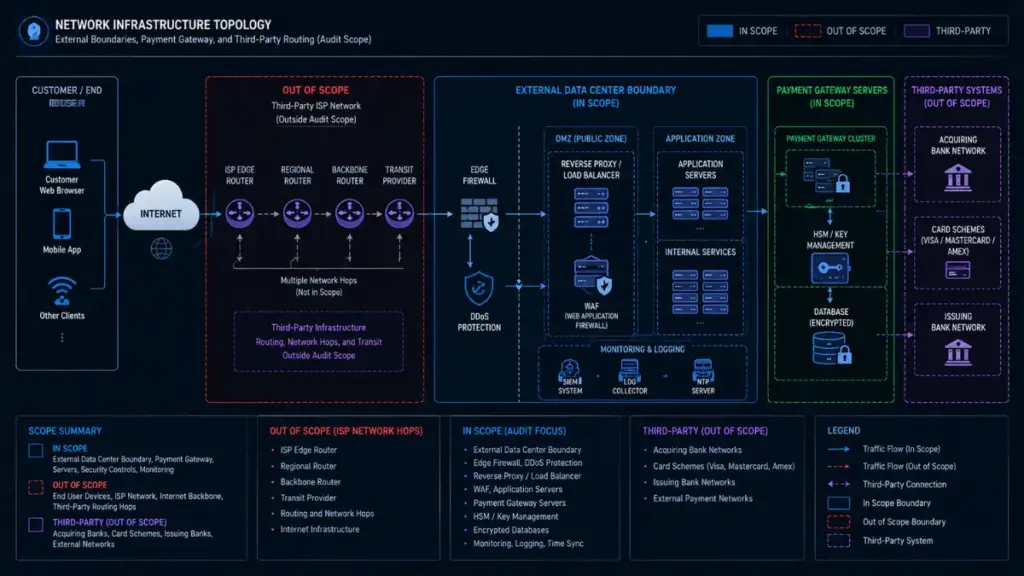
Scope Limitations in Third Party Compliance Auditing
Scope management represents another convenient strategy used to craft favorable assessment outcomes. When contracting external engineering reviews, corporate executives precisely define what systems fall inside or outside the evaluation parameters.
- Server source code repositories are included, but third-party hosting provider networks are excluded.
- Primary application endpoints are inspected, while payment processors and telemetry databases are omitted.
- Specific dedicated bare-metal servers are tested, leaving rented virtual private servers unexamined.
When external datacenters or transit ISPs capture raw network packets at the physical interface layer, no-logs assurances at the operating system layer become functionally irrelevant. An audit that excludes underlying hosting provider capabilities provides an incomplete picture of total user privacy.
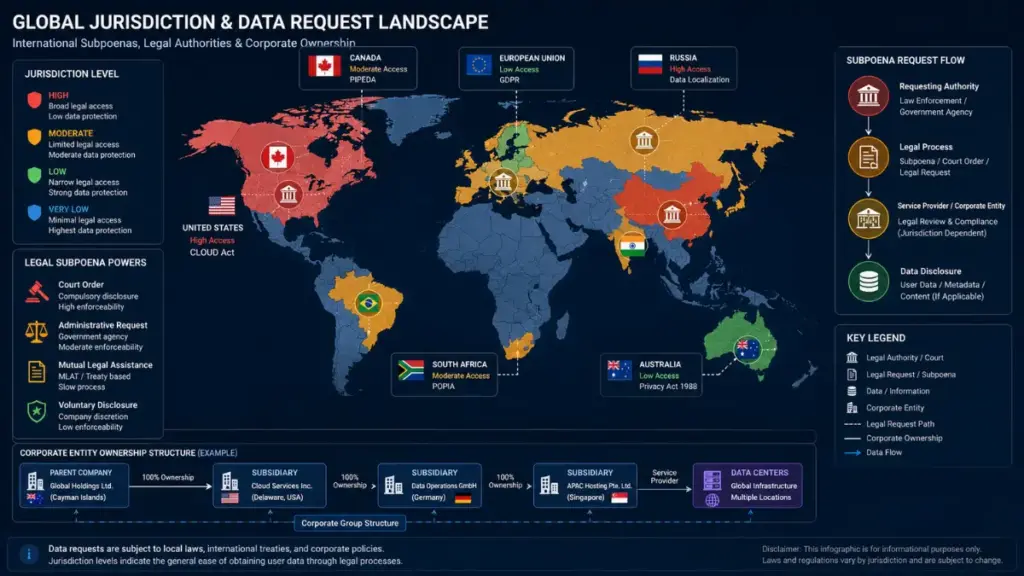
Red Flags to Identify Misleading Marketing Claims by Commercial VPNs
Navigating the consumer privacy marketplace requires identifying misleading promotional terminology and aggressive sales rhetoric. Separating genuine infrastructure engineering from clever corporate communications is critical when selecting service providers for sensitive data protection.
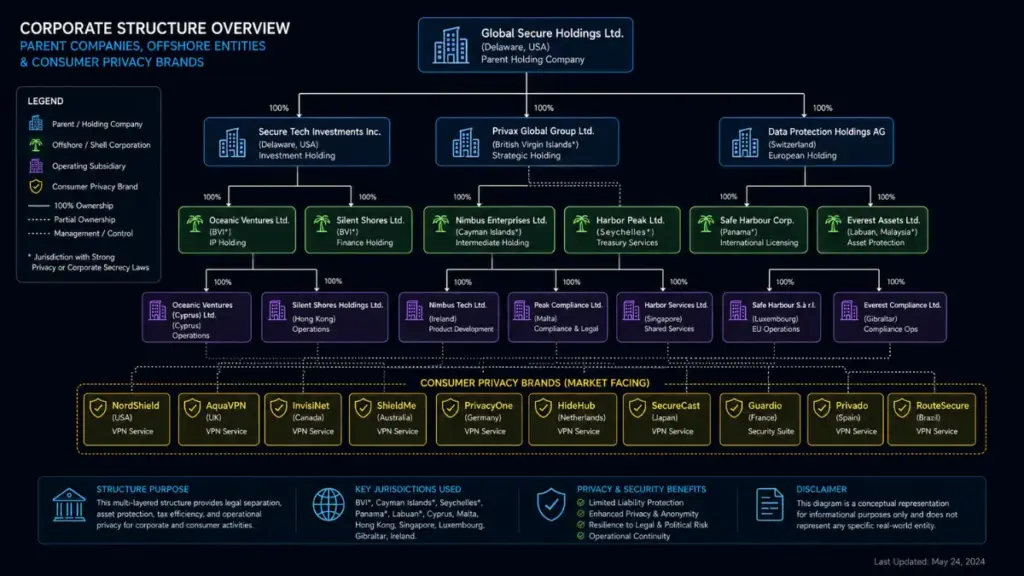
Corporate Ownership and Shell Jurisdiction Realities
A common promotional strategy involves registering a consumer brand within privacy-friendly offshore jurisdictions such as Panama, Switzerland, or the British Virgin Islands. While public marketing materials highlight these safe havens, ultimate beneficial ownership often leads back to multinational conglomerates based within strict surveillance alliances.
Parent holding entities operating within strict intelligence-sharing jurisdictions retain ultimate operational authority over subsidiary infrastructure. In legal scenarios involving national security orders or cross-border court mandates, offshore corporate shields can be bypassed through executive pressure applied directly to ultimate parent organizations.

Analyzing Technical Disclaimers Hidden in Privacy Policies
Promotional homepages often feature bold, unqualified assertions promising total online anonymity. However, legally binding terms of service and detailed privacy policy documentation frequently paint a far more cautious technical picture.
- Vague references to aggregate diagnostic collecting without specifying telemetry parameters.
- Disclaimers reserving the right to implement temporary logging during active network troubleshooting.
- Broad exemptions allowing operational tracking to comply with valid court orders from foreign courts.
Discerning users must prioritize legally binding privacy policy statements over dynamic marketing slogans. When technical disclaimers contradict homepage promises, the legal fine print dictates actual system operational behavior.
Read more: Passkeys: 7 Dangerous Realities Big Tech Won’t Tell You Before You Switch

Conclusion
Evaluating the true capabilities of commercial vpns requires looking beyond aggressive promotional campaigns and surface-level compliance badges. While volatile RAM-only servers, streamlined protocol tunneling, and independent audits represent positive steps toward user privacy, they do not provide absolute immunity from systemic observation. Real privacy relies on understanding technical threat models, evaluating transparent operational practices, and recognizing that third-party infrastructure always requires an element of informed trust.
LEAVE A COMMENT BELOW TO GET FREE EXPERT CONSULTATION OR FOLLOW OUR COUCH INSIDER WEBSITE TO UPDATE THE LATEST KNOWLEDGE TODAY!