


Passkeys are frequently marketed as the ultimate replacement for passwords, promising a future free from phishing and credential stuffing. However, while the cryptographic security of this standard is undeniably robust, the implementation strategy adopted by major technology corporations introduces a significant conflict between security and autonomy. As we transition into this biometric-dependent era, it is vital to scrutinize the systemic risks that are conveniently omitted from official marketing brochures.
- The illusion of freedom and the platform trap
- The single point of failure in biometric dominance
- Hardware keys vs. synced credentials
- The inheritance challenge
- Is the open source promise valid?
- The hidden complexity of recovery
- Comparative analysis of authentication methods
- The surveillance normalization trap
- Developing your own defensive strategy
- Addressing the criticism
- Conclusion and final thoughts
The illusion of freedom and the platform trap
The fundamental promise of an open standard like FIDO2 is decentralization. Theoretically, you should be able to authenticate yourself without relying on a centralized authority. In practice, however, the giants of the industry have created a walled garden. When you utilize the default syncing features provided by smartphone operating systems, you are inadvertently tethering your identity to a singular corporate ecosystem.
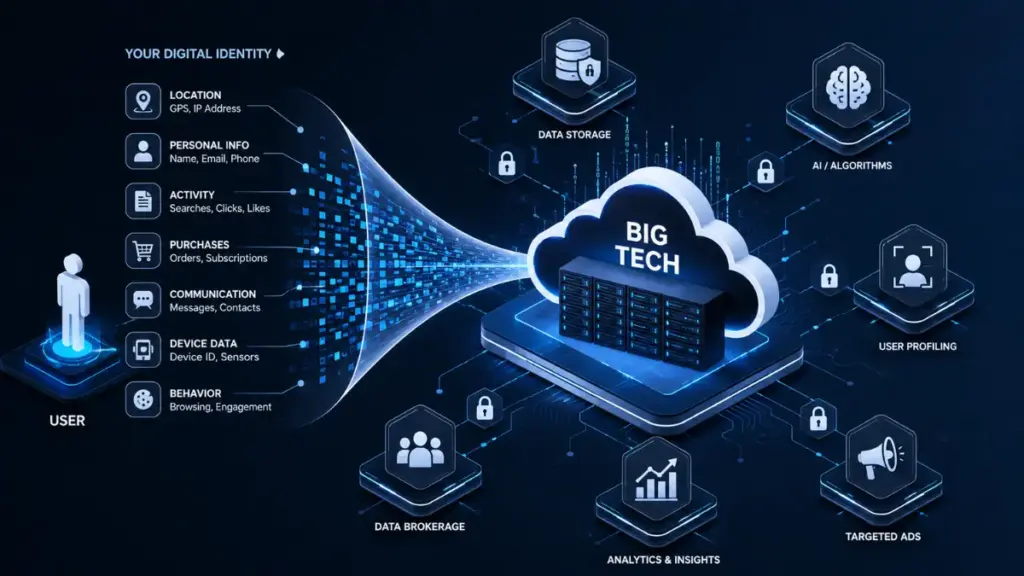
This architectural choice effectively centralizes your access. If your account within that specific ecosystem is flagged, banned, or locked—often due to automated, opaque AI moderation—you suddenly find yourself unable to access the credentials required for your financial, professional, and personal life. The convenience of “automatic sync” is, in reality, a surrender of control.
Read more: Passkey vs Password: Which Is More Secure?
“True digital sovereignty means that your access to your own life should not be toggled by a corporate algorithm’s whim. When you adopt passkeys, you must prioritize ownership over mere convenience.”
Luna
The single point of failure in biometric dominance
While passkeys are theoretically safer, the reliance on a single provider for your passkeys storage is a systemic weakness. If your passkeys are tethered to one platform, you are building your house on leased land.
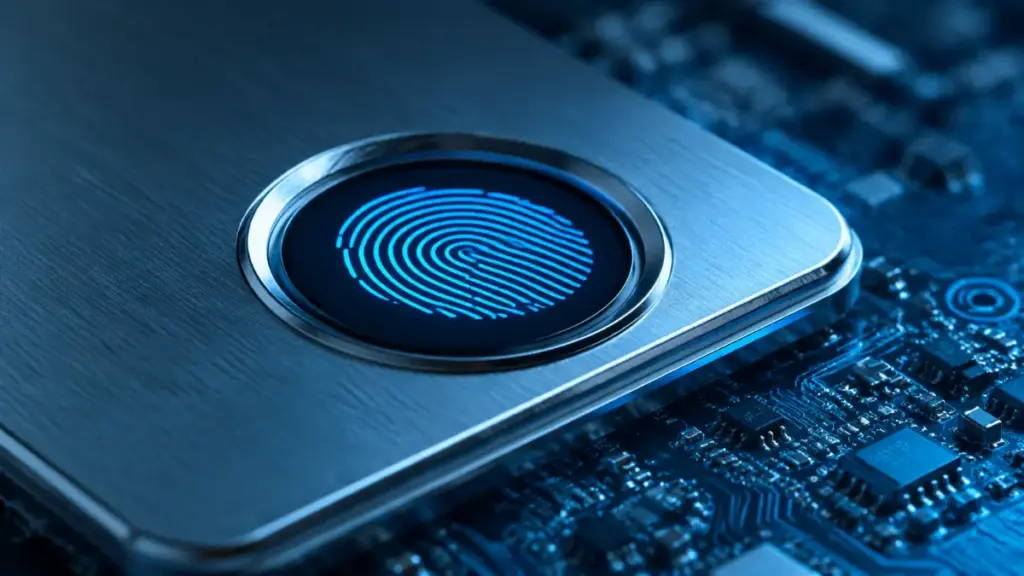
Legally and philosophically, this is a dangerous threshold. In many jurisdictions, law enforcement can compel a user to unlock a device via biometric data, whereas they cannot force a user to reveal a memorized password. By pushing the masses toward biometrics, we are discarding a fundamental layer of legal protection that has existed for decades.
Hardware keys vs. synced credentials
When you analyze how passkeys interact with hardware, it becomes clear that decentralized passkeys storage is the only way to ensure privacy. Most users unknowingly compromise their passkeys by opting for cloud-synced backups.
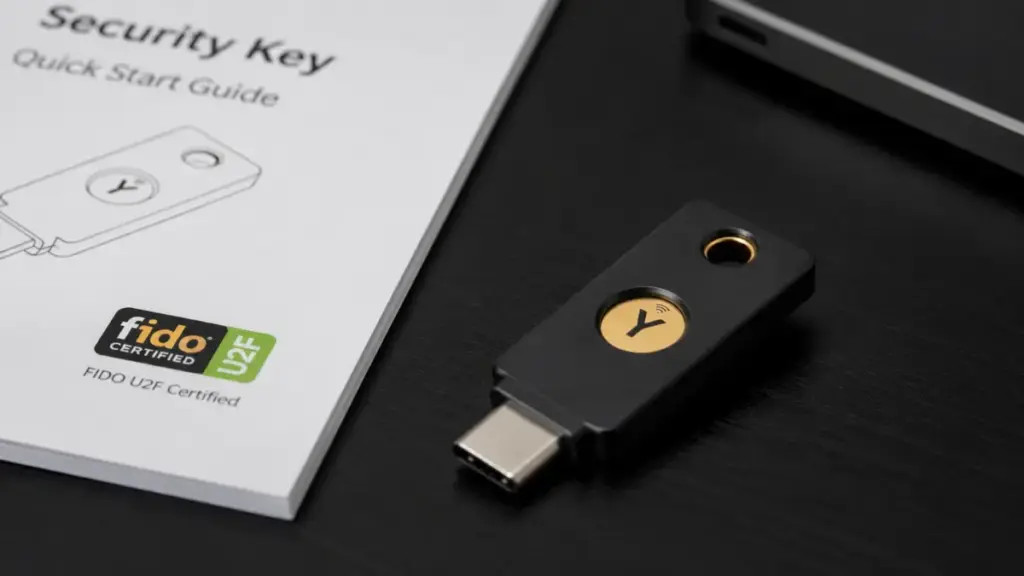
Conversely, synced credentials store an encrypted blob on a third-party server. While proponents argue that the provider cannot decrypt this data, the dependency remains. If you lose your devices and haven’t configured a robust, multi-layered recovery plan, you are effectively locked out of your life. Relying on cloud-based passkeys is a gamble that assumes the service provider will always be available and will never make a catastrophic error in account management.
The inheritance challenge
Dealing with passkeys in an estate plan is notoriously difficult. Unlike a legacy password, your digital passkeys require specialized executor access, proving that the passkeys standard is still maturing in terms of social utility.
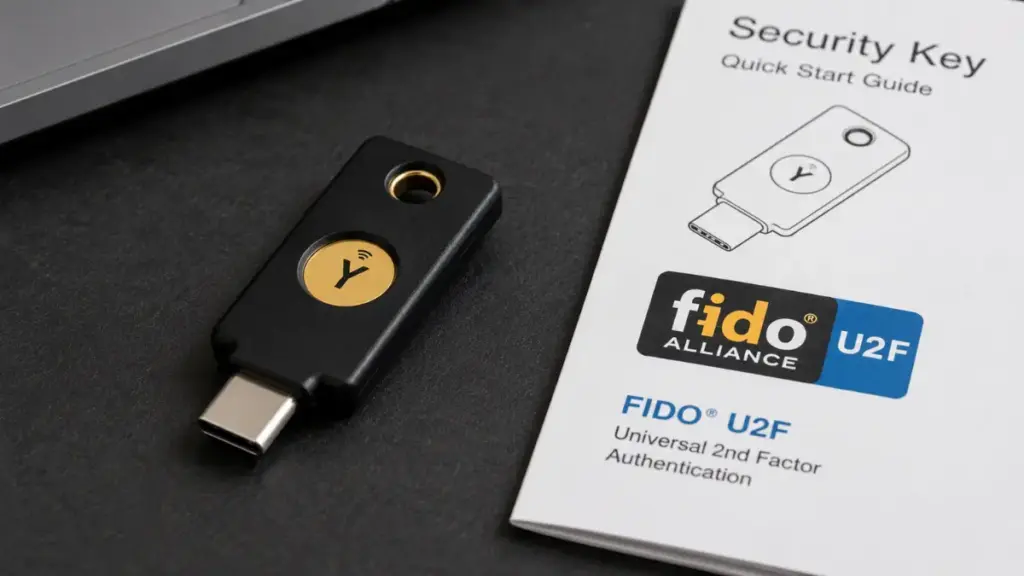
Apple’s “Legacy Contact” feature is a step in the right direction, but it is proprietary and limited to their ecosystem. For a non-platform-dependent solution, one must rely on legal professionals or self-hosted, encrypted digital vaults. This adds a layer of administrative burden that the average user is ill-equipped to handle, once again demonstrating that the “simplification” of login technologies actually hides a massive increase in management complexity.
Is the open source promise valid?
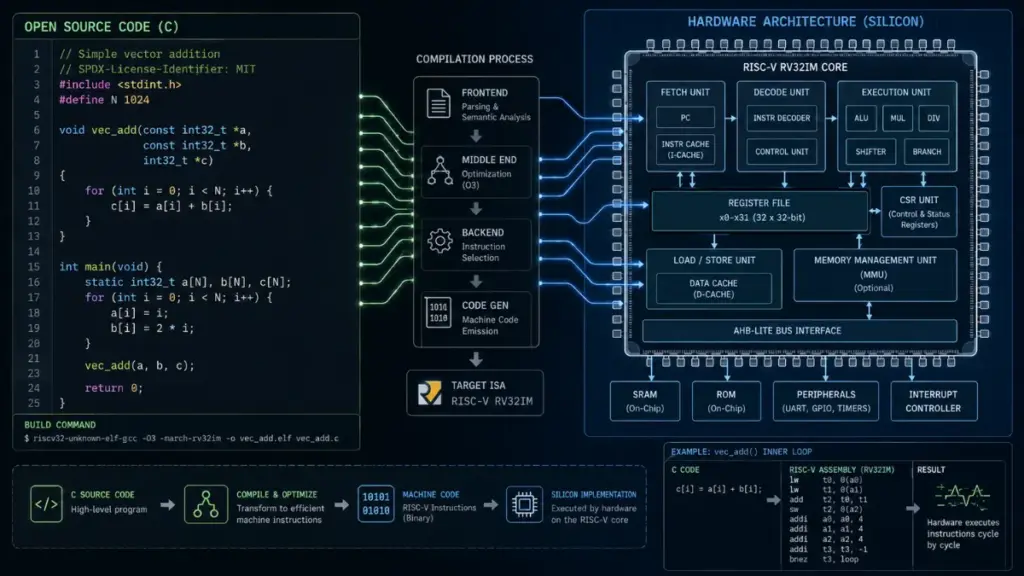
If you want to ensure your passkeys remain private, you must look into self-hosting. Managing your own passkeys infrastructure is the only way to guarantee that no third party can manipulate the passkeys you rely on daily.

For those who demand 100% verification, self-hosting via tools like Vaultwarden is the only path. This allows you to audit your own stack. However, expecting the average user to manage their own containerized environment for authentication is not a viable strategy. We are witnessing the professionalization of security, where true control is becoming a luxury afforded only to the technically literate.
The hidden complexity of recovery
A passkey is only as effective as your ability to recover it. If you are away from home, lose your primary phone, and do not have a secondary recovery method (like a physical key or an offline backup code stored in a safe), you are effectively dead in the water.
The industry’s push for “frictionless” login ignores the fact that friction is often a security feature. When we remove the friction of passwords, we remove the “thoughtful” moments where a user might realize they are being phished. We must educate users that they have the option to store their passkeys in offline, self-controlled managers rather than blindly trusting the sync features of giant corporations.
More Read

“The shift to passkeys is a double-edged sword; while it effectively neutralizes phishing, it creates a new, rigid architecture of dependency that requires a rigorous, self-managed backup protocol to be truly secure.”
Luna
Comparative analysis of authentication methods
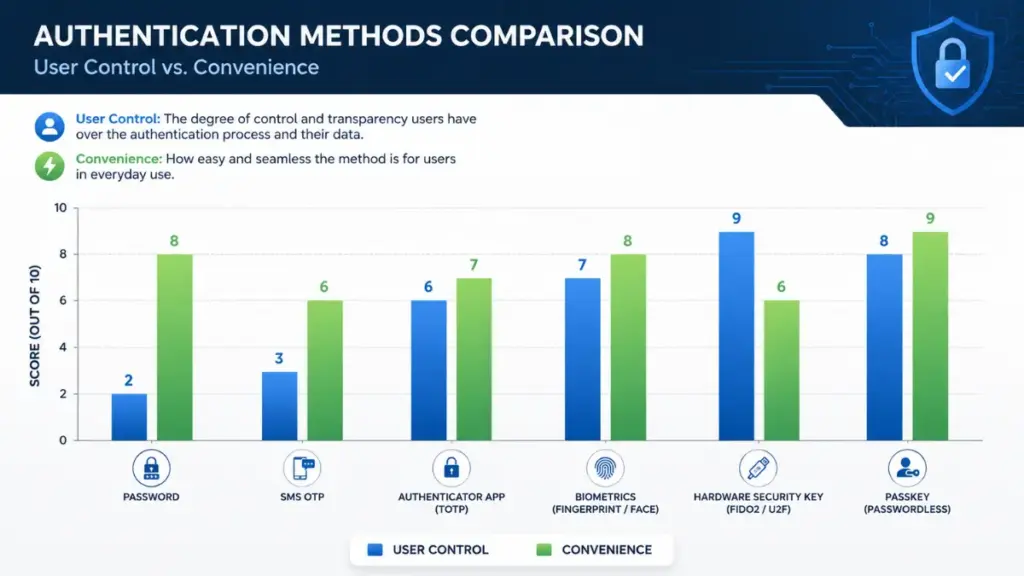
To understand your threat model, it is helpful to look at how different authentication methods stack up against each other.
| Method | Control Level | Dependency | Recovery Complexity |
| Password | High (Self-managed) | None | Low |
| Synced Passkey | Low | Big Tech | High |
| Hardware Key | Maximum | Self | Medium |
| Biometric Login | Low | Device Hardware | High |
The surveillance normalization trap
Perhaps the most insidious “side effect” is the normalization of mass surveillance tools under the guise of security. By requiring cameras and fingerprint sensors for daily digital interaction, we are conditioning the populace to accept constant biometric tracking.
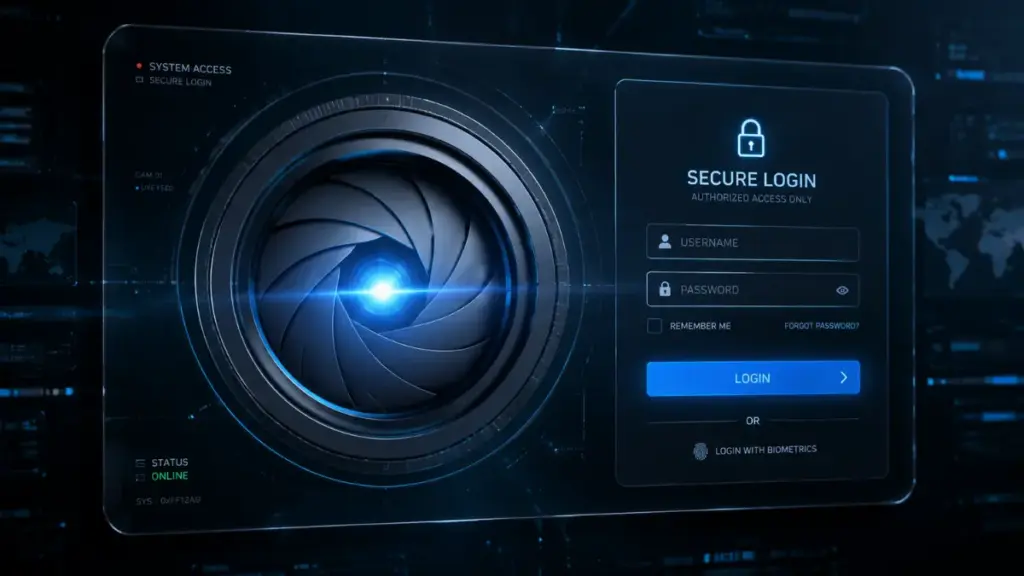
This transition makes it significantly easier for future systems to track physical movement and digital habits simultaneously. As we embrace passkeys, we must remain vigilant about what these technologies imply for our long-term civil liberties.
Developing your own defensive strategy
Start by moving your sensitive passkeys to a dedicated hardware key. Once you have shifted your passkeys away from big tech cloud services, you will regain control over the passkeys that secure your identity

The goal is to move away from the “convenience first” mindset and toward a “control first” mindset. Your digital identity is the modern equivalent of your property, and you should treat it with the same level of care.
Addressing the criticism
Critics argue that self-hosting is too difficult for the general public, but this is a cynical dismissal of human capability. Education is not an impossible task. We have taught the world to use internet banking; we can teach them to use decentralized managers.

The narrative that “users are too stupid to manage their own keys” is precisely what Big Tech uses to consolidate power. Rejecting this narrative is the first step toward reclaiming your digital sovereignty.
Conclusion and final thoughts
Passkeys are a brilliant technical advancement in the war against phishing, but they are a trojan horse when it comes to digital autonomy. By understanding the risks—centralization, biometric normalization, and the loss of recovery control—you can build a strategy that harnesses the security of the standard without sacrificing your freedom.

LEAVE YOUR COMMENTS BELOW OR CONTACT OUR EXPERTS AT THE COUCH INSIDER TO RECEIVE FREE CONSULTATION AND STAY UPDATED WITH THE LATEST STRATEGIES.