
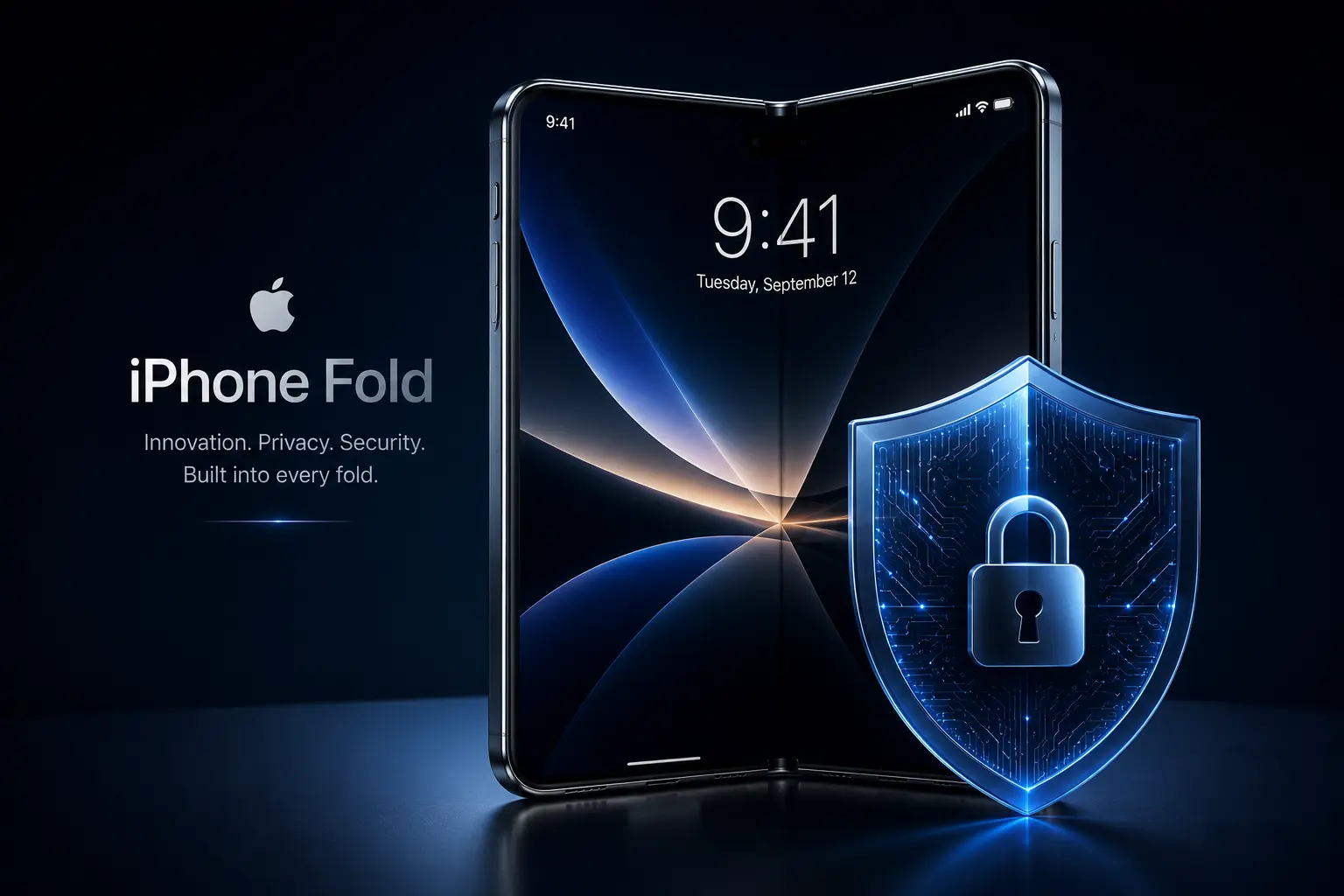

The recent cybersecurity incident involving a major manufacturing partner has sent shockwaves through the technology industry. While the Tata Breach is ostensibly a data security failure, its deeper implications point toward the fragile nature of Apple’s most ambitious project yet: the iPhone Fold. For observers of the tech landscape, the timing of this exposure—coinciding with the late-stage production ramp-up of Apple’s first foldable device—is far from incidental.
- Why Did the Tata Leak Immediately Shift Attention to the iPhone Fold?
- Who Is Actually Building the iPhone Fold—and Why Apple Chose Each Supplier
- Could Apple Still Replace a Supplier Before the iPhone Fold Launch?
- What Has Apple Actually Done Since the Tata Information Leak?
- If Apple Doesn’t Replace Suppliers, What Will It Change Instead?
- Can Apple Still Keep the iPhone Fold Secret?
- Frequently Asked Questions
- Conclusion
Why Did the Tata Leak Immediately Shift Attention to the iPhone Fold?
The industry’s hyper-focus on the Tata Breach is less about the stolen data itself and more about the specific “DNA” of the files exposed. When manufacturing giants suffer a security compromise, the market normally expects generic supply chain data. However, the revelation that engineering documents and material specifications for next-generation hardware were included has bypassed the usual skepticism.
Why many Apple followers believe the real story isn’t the leak itself, but what it reveals about the iPhone Fold
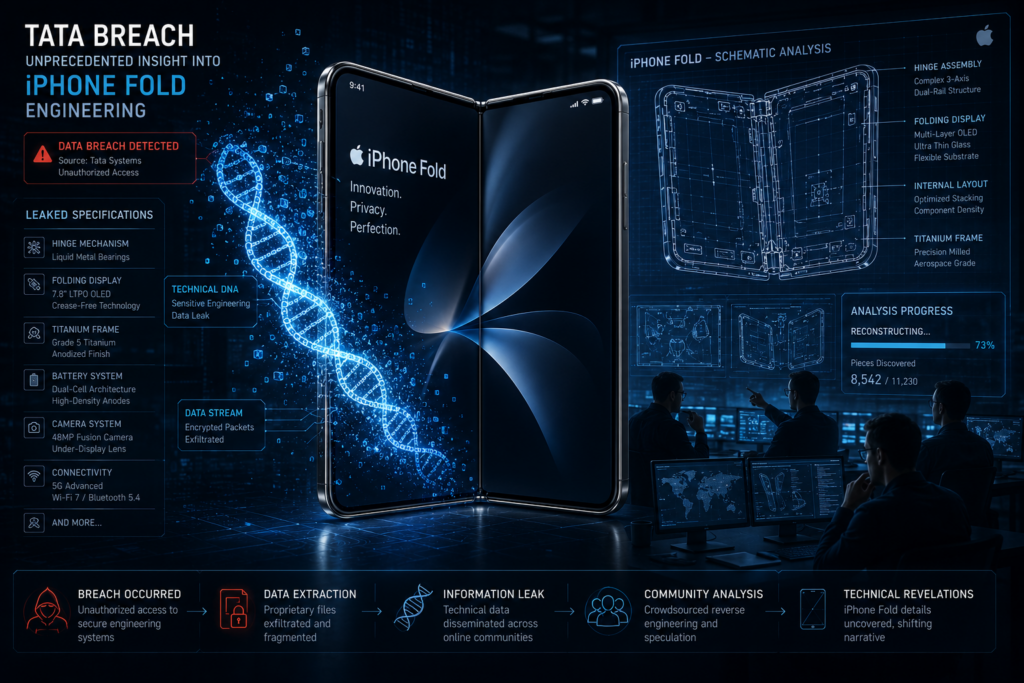
For seasoned analysts, this incident serves as an inadvertent window into the iPhone Fold development lifecycle. The leak confirmed that components for high-stakes, unreleased projects are no longer confined to top-tier, legacy assembly lines. The Tata Breach demonstrated that even secondary manufacturing partners are now deeply embedded in the “secret sauce” of Apple’s R&D, a reality that implies Apple’s foldable ambitions are already far beyond the prototype stage.
The timing coincidence: why a supplier breach matters more when Apple’s most secret product is entering production
Timing is the critical factor in this narrative. As Apple approaches its September 2026 launch window, every document sitting on a supplier’s server represents a massive risk. The Tata Breach occurred during a sensitive period where Apple is finalizing its production yields for the iPhone Fold. For a device that requires revolutionary hinge technology and ultra-thin display panels, the exposure of these specs provides competitors with a roadmap of Apple’s structural engineering challenges.
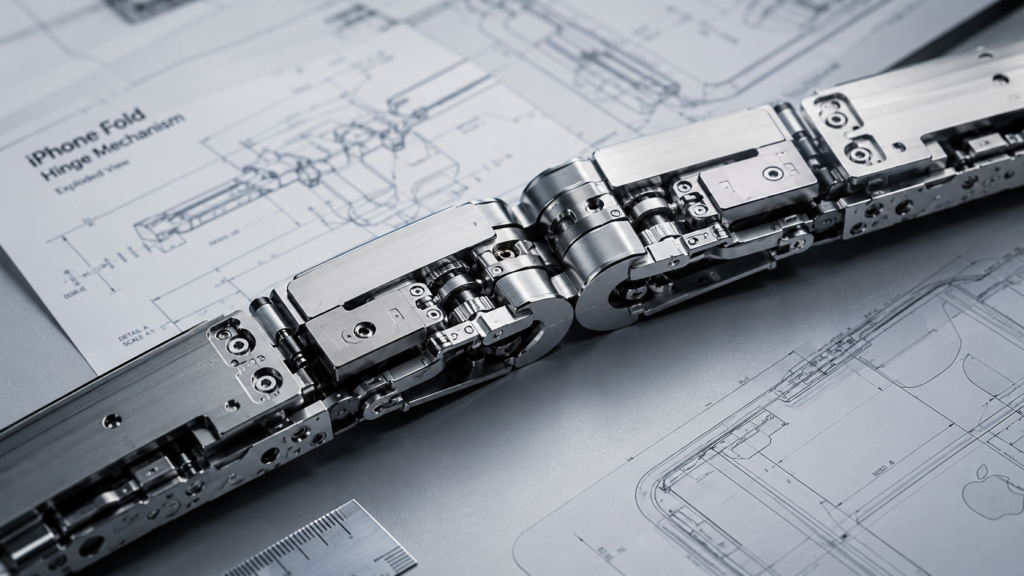
Who Is Actually Building the iPhone Fold—and Why Apple Chose Each Supplier
Apple’s manufacturing ecosystem is defined by extreme compartmentalization. The Tata Breach has forced a rare, albeit unauthorized, glimpse into this hidden network.
Display, hinge, chassis, battery and final assembly: the companies currently trusted with Apple’s most confidential hardware
While Apple rarely confirms its supply chain partners, it is widely understood that the iPhone Fold relies on a specialized consortium. Samsung remains a primary partner for the display technology, while the complex chassis and hinge assembly are distributed among highly specialized Tier-1 manufacturers. The Tata Breach highlighted how these entities work in tandem to meet the extreme thinness requirements of the device.
Why each supplier earned Apple’s confidence through manufacturing capability, yield rates, precision engineering, or previous flagship experience
Apple selects partners based on a brutal meritocracy. Suppliers must demonstrate the ability to hit sub-millimeter tolerances. The reason Tata became a target is precisely because they were entrusted with critical manufacturing steps that require advanced material handling, which is a prerequisite for the iPhone Fold.
Why no single supplier knows the entire product
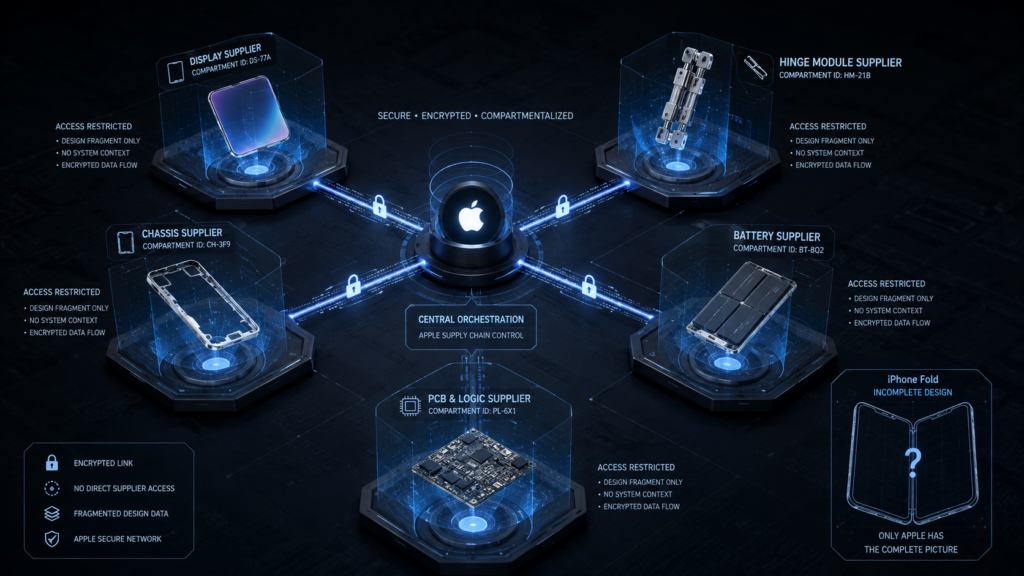
To mitigate the fallout of incidents like the Tata Breach, Apple utilizes “siloed” manufacturing. One supplier may produce the hinge mechanism without ever seeing the display panel integration, while another might assemble the chassis without knowing the final battery capacity. This strategy is designed to ensure that even a total security failure at one site does not compromise the complete product vision.
“True innovation in supply chain security is not about preventing every breach, but about ensuring that no single vulnerability can unlock the entire blueprint of a revolutionary product.”
Senior Tech Analyst.
Could Apple Still Replace a Supplier Before the iPhone Fold Launch?
The question of whether Apple will cut ties with a partner after a security lapse is a common point of speculation, but the reality of [supply chain management] is far more rigid.
Where the project currently sits in the engineering, tooling, EVT, DVT and mass-production timeline
We are currently in the stage where tooling for mass production is already locked in. Replacing a supplier at this juncture would mean re-tooling factories, re-validating yields, and restarting quality control processes.
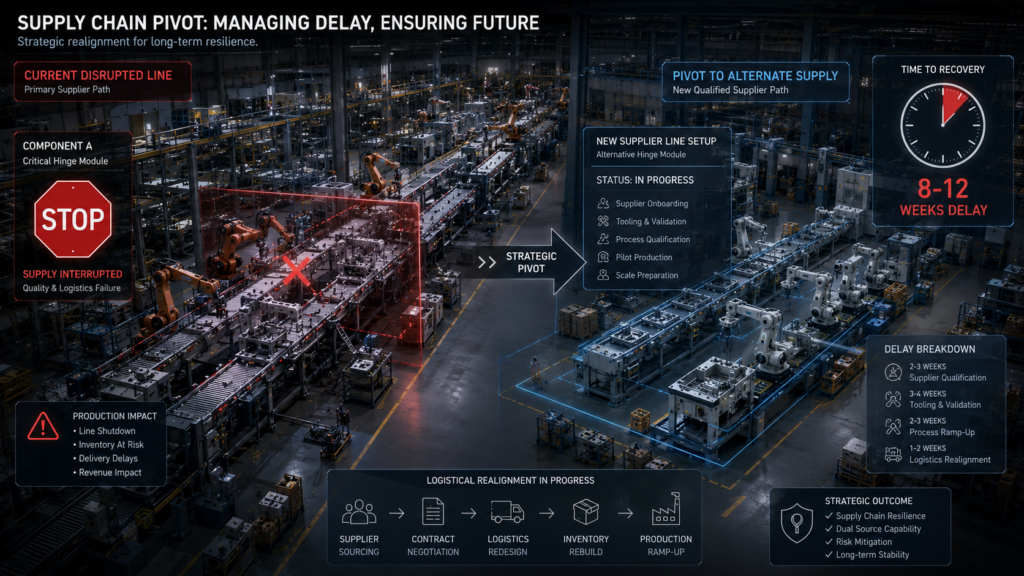
What would happen if Apple replaced a major supplier at this stage
A sudden change would trigger a catastrophic delay. Given the high consumer anticipation for the iPhone Fold, a [supply chain pivot] now could set the project back by quarters, potentially missing the 2026 holiday launch.
Why changing suppliers now could delay an entire product generation rather than solve a security problem
It is often more pragmatic for Apple to double down on security audits rather than terminate contracts. By keeping the partner, Apple can maintain control over the transition period and ensure that the Tata Breach is treated as a “lesson learned” rather than an excuse for operational chaos.
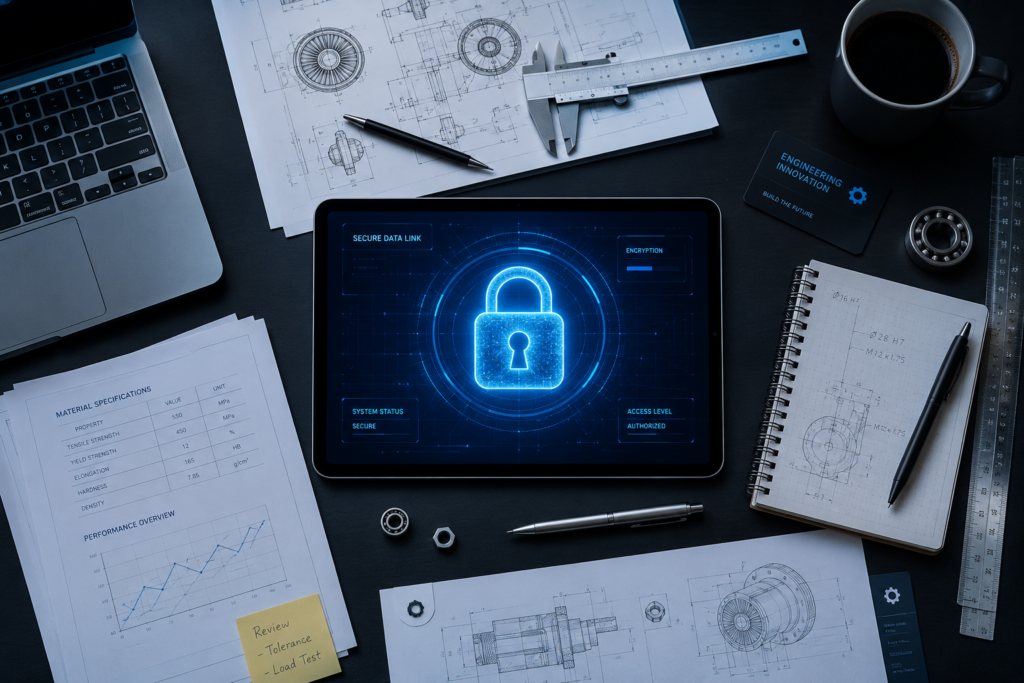
What Has Apple Actually Done Since the Tata Information Leak?
The response to the Tata Breach has been swift and behind closed doors, consistent with Apple’s historical handling of sensitive leaks.
A chronological timeline of Apple’s response, Tata’s investigation and the subsequent security review
Following the initial detection of the incident, Apple reportedly collaborated with forensic experts to audit the leaked files. Simultaneously, the supplier implemented stricter access controls, restricting remote access to internal tools and conducting a thorough purge of vulnerable digital pathways.
What has been officially confirmed versus what remains industry speculation
While Apple has remained silent, Tata has confirmed a “cybersecurity incident” and the implementation of hardened internal access protocols. The extent of the impact on the iPhone Fold remains speculative, but the tightening of security measures is an undeniable indicator that the breach was taken with the utmost seriousness.
More Read

If Apple Doesn’t Replace Suppliers, What Will It Change Instead?
The Tata Breach acts as a catalyst for a structural shift in how Apple manages its partners.
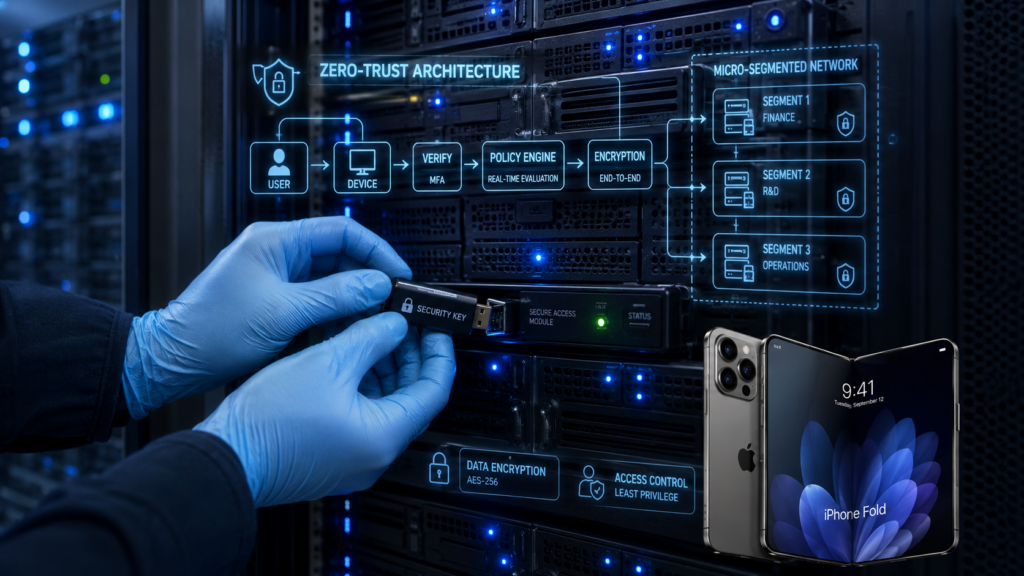
Moving toward zero-trust manufacturing and tighter compartmentalization
Moving forward, we expect to see a “Zero-Trust” model where every component-level interaction is verified, logged, and encrypted. Even within the factory, access to specific CAD files will be restricted by clearance level.
Digital watermarking, segmented CAD access and stricter prototype permissions
To trace leaks back to their source, Apple is likely implementing robust digital watermarking on all engineering documentation. If a document leaks, it will be immediately identifiable which specific employee or terminal accessed it.
Stronger supplier audits and employee accountability across Apple’s manufacturing network
The fallout from the Tata Breach will undoubtedly result in more frequent, unannounced security audits of all Apple manufacturing sites worldwide.
Read more: The Dark Side of Silicon-Carbon Batteries: The Real Reason Apple and Samsung Are Staying Away.
Can Apple Still Keep the iPhone Fold Secret?
Secrecy in the era of globalized manufacturing is a moving target.
Why preventing every leak has become almost impossible in today’s global supply chain
With thousands of employees across dozens of countries, the human factor remains the biggest security risk. The Tata Breach proves that even with robust IT protocols, human error or targeted cyberattacks can bypass traditional barriers.
Apple’s new objective may no longer be stopping leaks—but controlling which information reaches the public
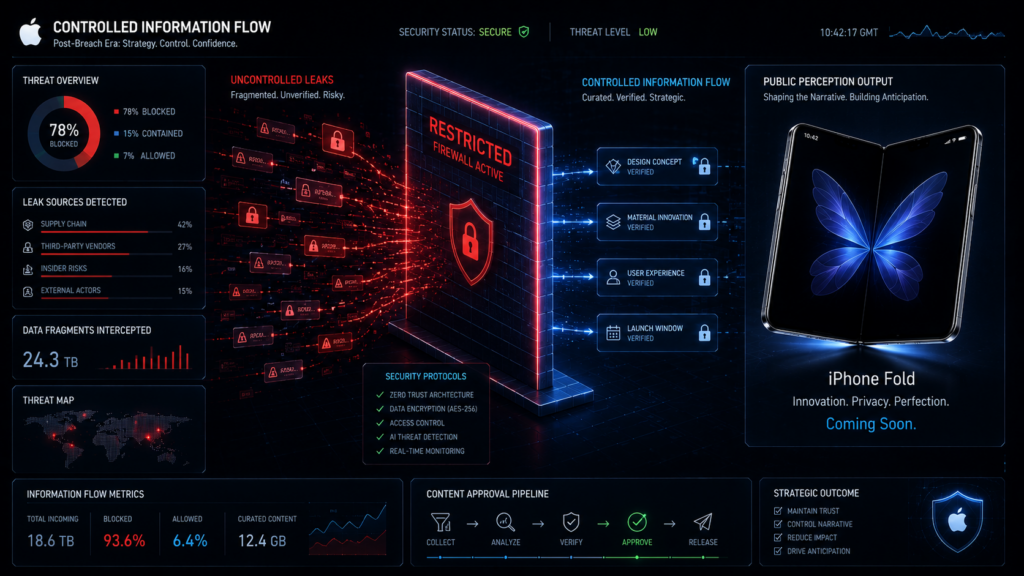
Perhaps Apple has realized that total secrecy is a myth. The strategy may be shifting toward “controlled leaks,” where Apple manages the narrative to build hype while shielding the most critical technical innovations.
What the Tata incident reveals about the future of secrecy for Apple’s next-generation products
The Tata Breach is a wake-up call that the stakes are higher than ever. As Apple moves into complex hardware like the iPhone Fold, the price of silence is a massive investment in cybersecurity and supplier oversight.
Frequently Asked Questions
Is Tata still expected to manufacture components for future iPhones?
Despite the Tata Breach, analysts believe Apple will maintain the partnership due to the strategic importance of manufacturing in India, provided security audits are passed.
Which company is most likely to assemble the first iPhone Fold?
While specific assembly contracts are confidential, the [supply chain network] for Apple’s high-end devices remains a mix of key partners like Foxconn and Luxshare, with component integration handled by specialized firms.
Has Apple officially announced any supplier changes after the Tata leak?
No, Apple has not issued any public statements regarding supplier terminations, which is standard procedure during sensitive investigations.
Could tighter supplier security increase iPhone production costs?
Yes, the increased investment in forensic audits, encryption, and segmented manufacturing will likely be reflected in the final retail price of future devices.
Conclusion
The Tata Breach has provided an unwanted but revealing look into the high-stakes world of Apple’s product development. While the incident is a clear failure of supply chain security, it also underscores the immense complexity behind the upcoming iPhone Fold. For Apple, the path forward is not just about refining the device, but about hardening the very foundation of its manufacturing network. As we look toward the September launch, the industry will be watching closely to see how these security adjustments impact the final product and the future of the brand.
PLEASE LEAVE A COMMENT FOR EXPERT ADVICE OR FOLLOW THE COUCH INSIDER WEBSITE TO UPDATE THE LATEST KNOWLEDGE.